China15 December, 20253 min read
Hong Kong Court Convicts Jimmy Lai of Sedition and Collusion With Foreign Forces Under Beijing's National Security Law
This article is an automated aggregation of coverage from news outlets. Our editorials offer in-depth analysis curated by the NewsCord team.
Found guilty of two conspiracies to collude with foreign forces and one sedition conspiracy. Faces potential life imprisonment under Hong Kong’s Beijing-imposed national security law.

38 outlets told this the same way.
Jimmy Lai case summary
On Dec. 15, Hong Kong’s High Court found 78-year-old media tycoon and pro-democracy campaigner Jimmy Lai guilty of conspiring to publish seditious material and of conspiring to collude with foreign forces under the Beijing-imposed national security law.
“Hong Kong pro-democracy activist and media tycoon Jimmy Lai, 78, was found guilty by a Hong Kong court of sedition and colluding with foreign forces under the city’s national security law.”
The verdict came in a landmark, jury-less trial that produced an 855-page judgment by a three-judge panel led by Justice Esther Toh.

Prosecutors relied on a wide range of material, including 161 publications from Lai’s Apple Daily, social-media posts, text messages, and testimony about meetings with overseas politicians, to argue Lai sought foreign leverage against Beijing.
Lai pleaded not guilty and will face a pre-sentencing mitigation hearing in January before sentencing is set.
The case has been presented across outlets as a key test of Hong Kong’s media freedom and judicial independence.
Lai trial summary
Prosecutors painted a portrait of Lai as a long-standing critic of Beijing who harboured resentment and worked with colleagues and overseas figures to seek sanctions and pressure, citing meetings with former U.S. officials and testimony from former Apple Daily executives who pleaded guilty or cooperated with the prosecution. The court heard 156 days of trial testimony and reviewed extensive documentary evidence.
Judges found some former executives reliable and judged Lai's own testimony evasive and unreliable in parts, underpinning convictions on both collusion and sedition counts. Several outlets emphasised that the case marked the first conviction under the collusion-conspiracy offence since the national security law took effect.
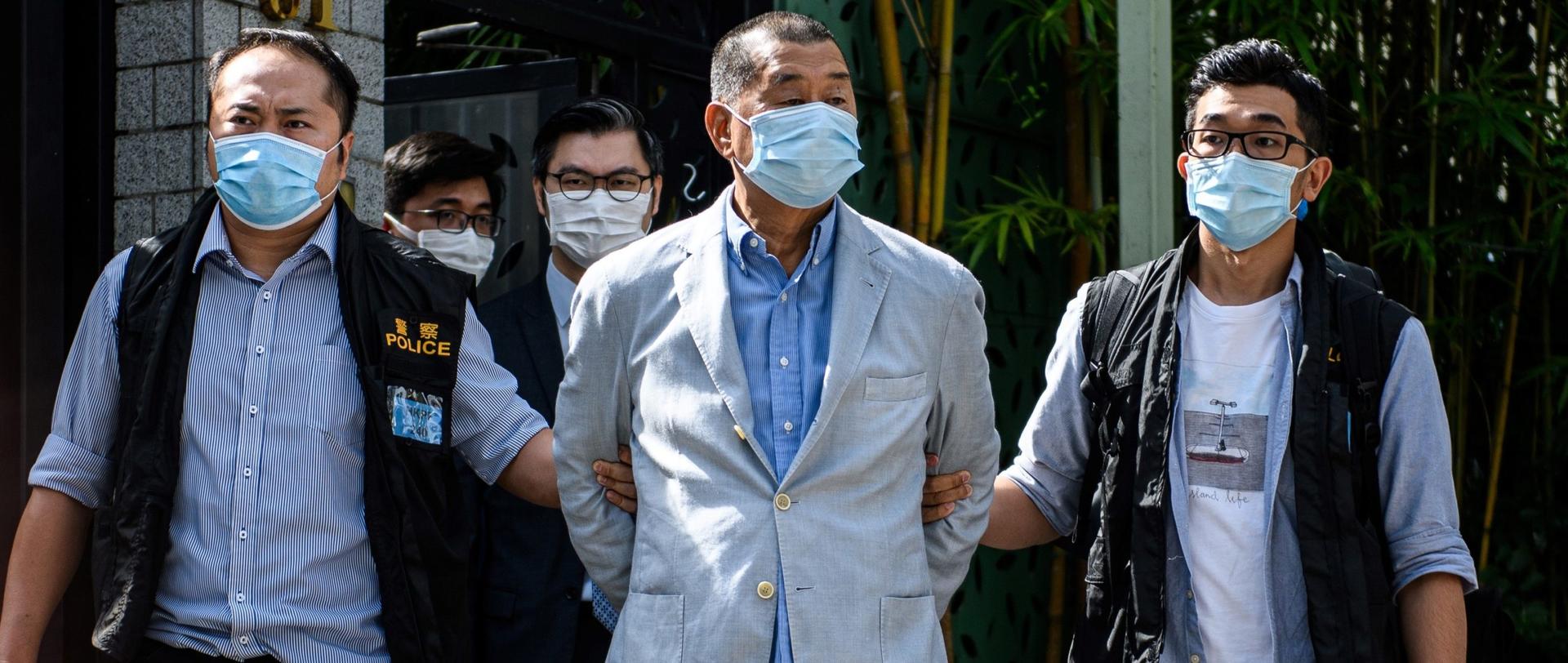
Legal stakes and health concerns
Legal stakes are high: collusion convictions under the national security law can carry penalties ranging from three years to life imprisonment depending on the offence and role. The sedition charge stems from a colonial-era law and carries up to two years' imprisonment. Lai, a British national who founded Apple Daily and other businesses, has been in custody since 2020 and faces a pre-sentencing mitigation hearing in January, with sentencing to follow.
“Lai, who has already spent about five years in custody and will be formally sentenced after a pre-sentencing hearing on Jan. 12.”
Outlets reporting on his condition note his frailty and his family's concerns about deteriorating health after years in custody. Some government-aligned reports, however, stress that prison medical care is adequate.
Reactions to verdict
Western governments and rights groups described the case as politically charged and warned about the implications for Hong Kong's freedoms. Beijing and Hong Kong authorities defended the legal process as necessary to safeguard national security.
The UK has pushed for Lai's release as he is a British citizen, while Washington and other Western capitals urged fair treatment and rights bodies called for his immediate release. Some regional and pro-establishment commentaries framed Western criticism as meddling, with one opinion source accusing foreign commentary of hypocrisy and interference.
Hong Kong conviction fallout
Observers say the conviction marks a defining moment in Hong Kong’s post‑2019 political landscape. They say it underscores how the national security law has been used to close an influential pro‑democracy outlet. They also say it signals what many outlets call a lasting shift in the city’s media environment and legal norms.
“The court rejected defense claims that any calls for sanctions ceased once the security law took effect.”
Coverage diverges on whether the outcome represents an application of the rule of law or a politically motivated crackdown. This split mirrors differences among source types. Western mainstream and human‑rights sources warn of deepening restrictions.

Some Asian outlets and opinion pieces highlight legal procedure and national security imperatives. Local reporting catalogs the court’s lengthy reasoning and the corporate liabilities cited in the judgment.