China23 March, 20262 min read
Hong Kong Government Compels Anyone Who Knows Passwords To Provide Decryption Under NSL
Police can demand phone or computer passwords from NSL suspects under amendments. Refusal carries up to one year in jail and HK$100,000 fine.

New password-decryption mandate
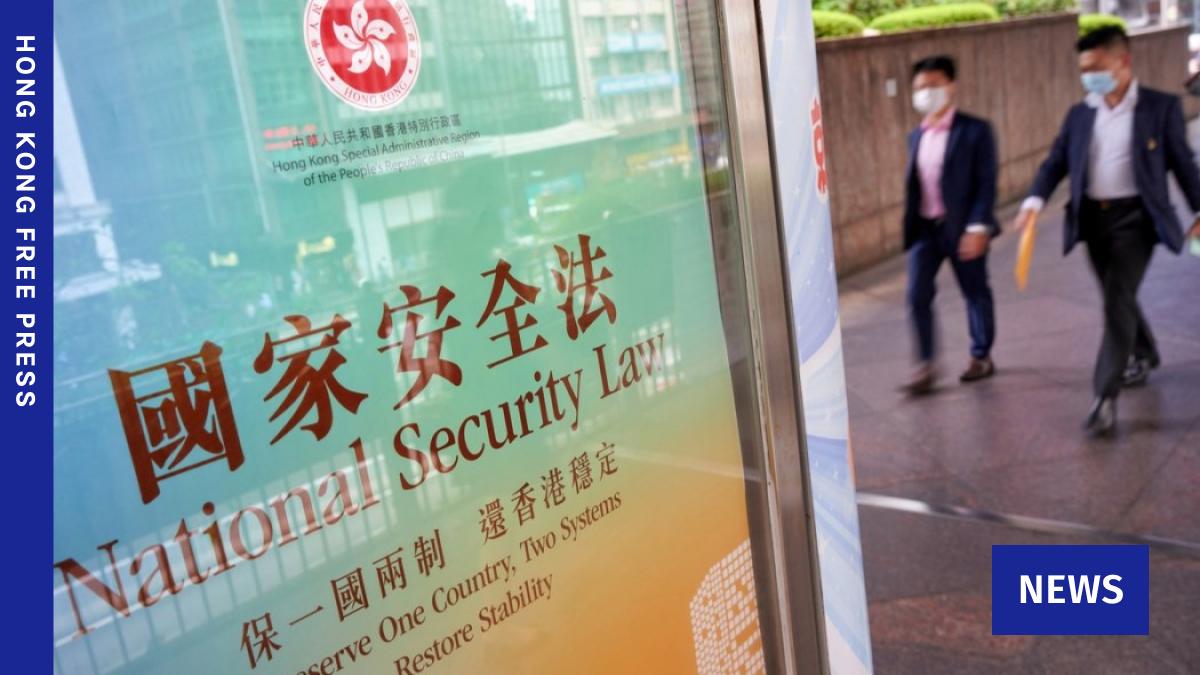
Deploying a sweeping tightening of digital evidentiary powers, Hong Kong’s government gazetted amendments to the NSL implementation rules that let police demand passwords or decryption assistance for phones and computers from anyone under national security investigation, including people who own or control the device or who merely know the password. The rules carry penalties for non-compliance of up to one year in jail and a HK$100,000 fine, and up to three years for providing false or misleading information.
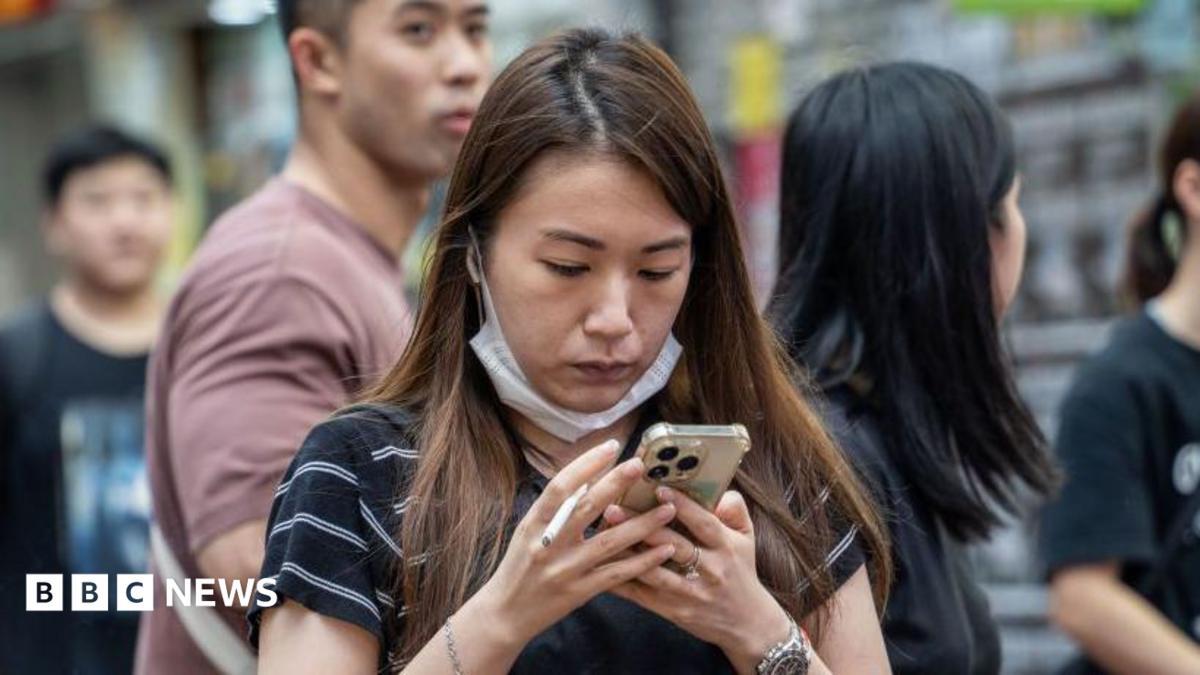
“Hong Kong police can now demand phone or computer passwords from those who are suspected of breaching the wide-ranging National Security Law (NSL). Those who refuse could face up to a year in jail and a fine of up to HK$100,000.”
The amendments also extend to customs authorities, enabling seizure of items deemed to have 'seditious intention,' widening enforcement beyond arrests. Officials frame the move as balancing security needs with rights protections, though critics say it further erodes civil liberties by bypassing Hong Kong’s legislature through bylaw changes announced by John Lee.
Exact scope of the demands
Exacting the demand, the amendments specify that police can require 'any password or other decryption method' needed to access electronic equipment believed to contain evidence, and it applies to individuals who own, possess, control, or have authorised access to the device, as well as those who merely know the password. Non-compliance carries up to one year in prison and HK$100,000 in fines; providing false or misleading information can bring up to three years in prison.
The obligation can override confidentiality constraints and could compel disclosure even where journalists, doctors, or lawyers are bound by professional duties. The changes accompany customs’ power to seize items deemed to have 'seditious intention,' creating a two-pronged enforcement approach.
Context and civil-liberties concerns
Beyond the mechanics, critics warn the package risks eroding civil liberties and normalizing overbroad state power. Rights groups say the measures could be abused and disproportionately affect foreigners or those in sensitive professions, while a UK-based law scholar cited in coverage cautions that the provisions are broad and lacking in safeguards.
“There’s always this concern with these laws about how they can be used to respond to the wider geopolitical picture... foreigners living in Hong Kong.”
The Hong Kong move is described in some outlets as a drastic expansion of enforcement tools, with observers noting the lack of legislative debate given the bypassed bylaw route. Local commentators emphasize that the NSL framework has long been criticized for its vague definitions, which makes the new password demands all the more potent in practice.
Travel, foreign exposure & warnings
The new regime has immediate travel and international-relation implications: the U.S. consulate in Hong Kong warned that refusing to hand over passwords or decryption assistance could now be a criminal offense. The warning applies to everyone in Hong Kong, including foreigners and travelers transiting through the airport, with authorities given power to take and keep devices as evidence.
Travel advisories and coverage in outlets across West Asia and beyond highlight the potential chill on foreign business and diplomatic engagement as surveillance powers expand. Observers point to the broader context of a regional security competition and questions about how such measures will be applied in practice.