USA13 December, 20253 min read
House Democrats Release Epstein Estate Photos Featuring Trump, Clinton and Gates
House Democrats released 19 photos from Epstein's estate, drawn from about 95,000 images. Images show Donald Trump, Bill Clinton, Bill Gates, Prince Andrew and other high-profile figures.

39 outlets told this the same way.
Outlets did split on Trump Interrupted by Protesters at San Antonio Rally for Ken Paxton →
Epstein photo disclosure dispute
House Democrats on the House Oversight Committee released a packet of photographs they say came from Jeffrey Epstein's estate. Committee officials described the set as a small sample drawn from a much larger archive and used the disclosure to press for fuller public access to the files. They published 19 images from what they say is a trove of roughly 95,000 photographs and related materials.
“House Oversight Committee Democrats released 19 photographs from Jeffrey Epstein’s archives, which were turned over by his heirs and are part of roughly 95,000 documents the committee has obtained.”
Democrats urged the Justice Department to make the remaining records available under recently passed transparency rules. Republicans on the committee immediately pushed back, calling the release selective and politically motivated. The exchange has hardened a partisan fight about how to balance disclosure and victims' privacy.
Released Epstein images
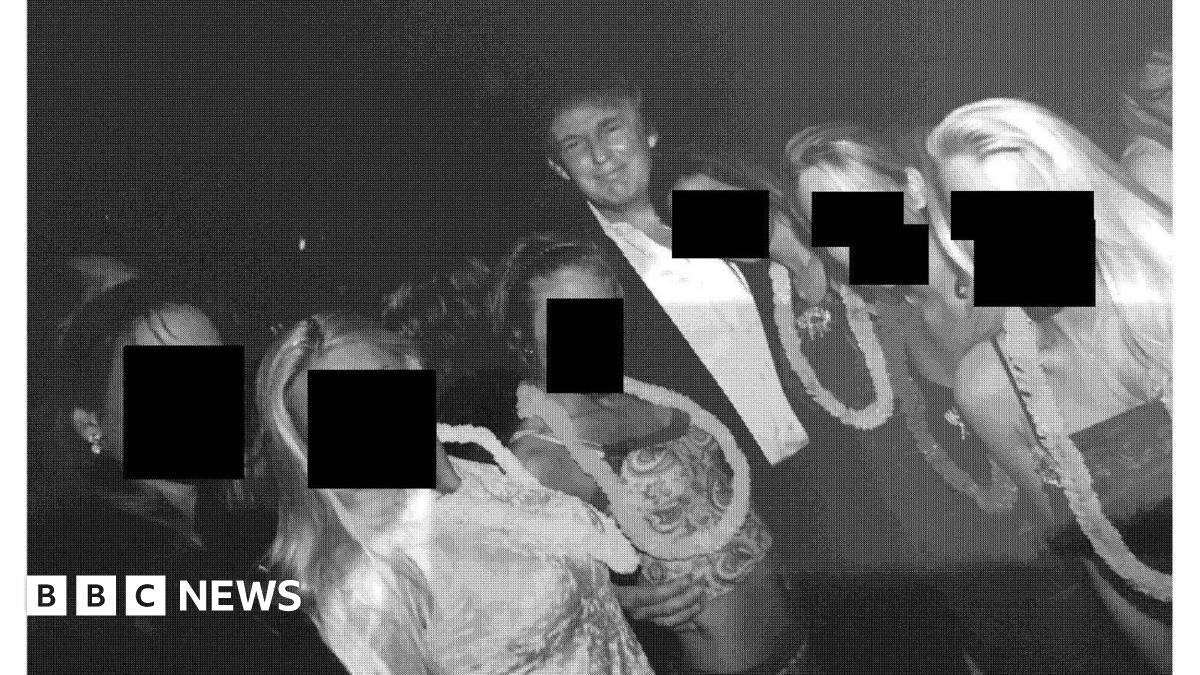
The released images include pictures that Republicans and the White House called out as being taken out of context. Among them are three photos that involve Donald Trump, including one in which he is pictured with several women whose faces were blurred. The set also contains a signed photograph showing Bill Clinton with Epstein and Ghislaine Maxwell.
Bill Gates is pictured beside Prince Andrew in at least one image. Several photos show Epstein properties and sexual paraphernalia such as sex toys and a novelty "Trump condom." Oversight Democrats and news organizations emphasize that most released images are undated, unlabeled, and do not by themselves prove criminal activity.

The committee has promised more releases with redactions intended to protect survivors' privacy. Sources cited include CNN, BBC, DW, NBC26, and Rolling Out.
Reactions to Epstein Document Release
Political reactions were immediate and sharply divided.
“Rep. Robert Garcia (D‑Calif.) said more images will be released, accused the White House and DOJ of withholding information, and urged the Justice Department to turn over all remaining Epstein files.”
Democrats framed the release as a push for accountability and called for the Justice Department to produce all Epstein files, with Rep. Robert Garcia and others explicitly urging full disclosure; some Democratic officials described the release as evidence of a possible White House cover-up.
By contrast, the White House and Republicans accused Democrats of cherry-picking and manufacturing a political narrative, and the administration warned that making raw investigative materials public could harm victims' privacy or interfere with legal matters.
Advocacy groups and victims' lawyers pushed for transparency while also cautioning about survivors' confidentiality.
Epstein-related media coverage
Legal and investigative context remains central to how outlets cover the material. Journalists repeatedly note that the images are undated, often lack provenance, and do not themselves show sexual misconduct. Courts and Congress have already unsealed many related records, and a new law requires the Justice Department to publish unclassified Epstein-related files by a December deadline.
The practical effect is that the photos are being used by lawmakers and advocates to push for broader disclosure rather than as standalone evidence of crimes. Jeffrey Epstein died in 2019 while jailed awaiting trial, and Ghislaine Maxwell was convicted in 2021, background facts that most outlets included to frame the new releases. Coverage cited outlets including CBS News, NBC News, CNN, Moneycontrol, and Rolling Out.
Differences in media coverage
Western mainstream outlets (CNN, BBC, CNBC, CBS, NBC) generally pair the images' lurid details with repeated caveats about dating, context and legal relevance. Western alternative and opinion-oriented outlets (EL PAÍS, Straight Arrow News, Rolling Out) emphasize the political and investigative pressure to release more files and sometimes use stronger language such as 'embarrassing' or that the revelations 'raise troubling questions'. West Asian and Asian outlets (Roya News, Free Press Journal, Moneycontrol, ANI News) foreground both the list of high-profile names and calls for transparency.
“Democrats said the material underscores Epstein’s links to powerful people and urged the Justice Department to release the full files; they noted none of the released photos show sexual misconduct or are believed to depict underage girls.”
Tabloids and entertainment-focused sources (Irish Sun, Rolling Out) highlight sensational artifacts and celebrity associations. Because reporting choices — which quotes to foreground, whether to stress victims' privacy or political implications, and whether to catalog names versus legal context — vary by outlet, readers will see different narratives emerging from the same underlying documents. Sources cited include CNN, EL PAÍS English, Roya News, Irish Sun, and Moneycontrol.