USA21 January, 20262 min read
House Oversight Committee Votes To Hold Bill And Hillary Clinton In Contempt For Defying Epstein Subpoenas
House Oversight Committee voted to hold Bill and Hillary in contempt for defying Epstein subpoenas Committee votes were bipartisan, passing 34-8 for Bill Clinton and 28-15 for Hillary Clinton
15 outlets told this the same way.
Outlets did split on Trump Interrupted by Protesters at San Antonio Rally for Ken Paxton →
Contempt resolutions for Clintons
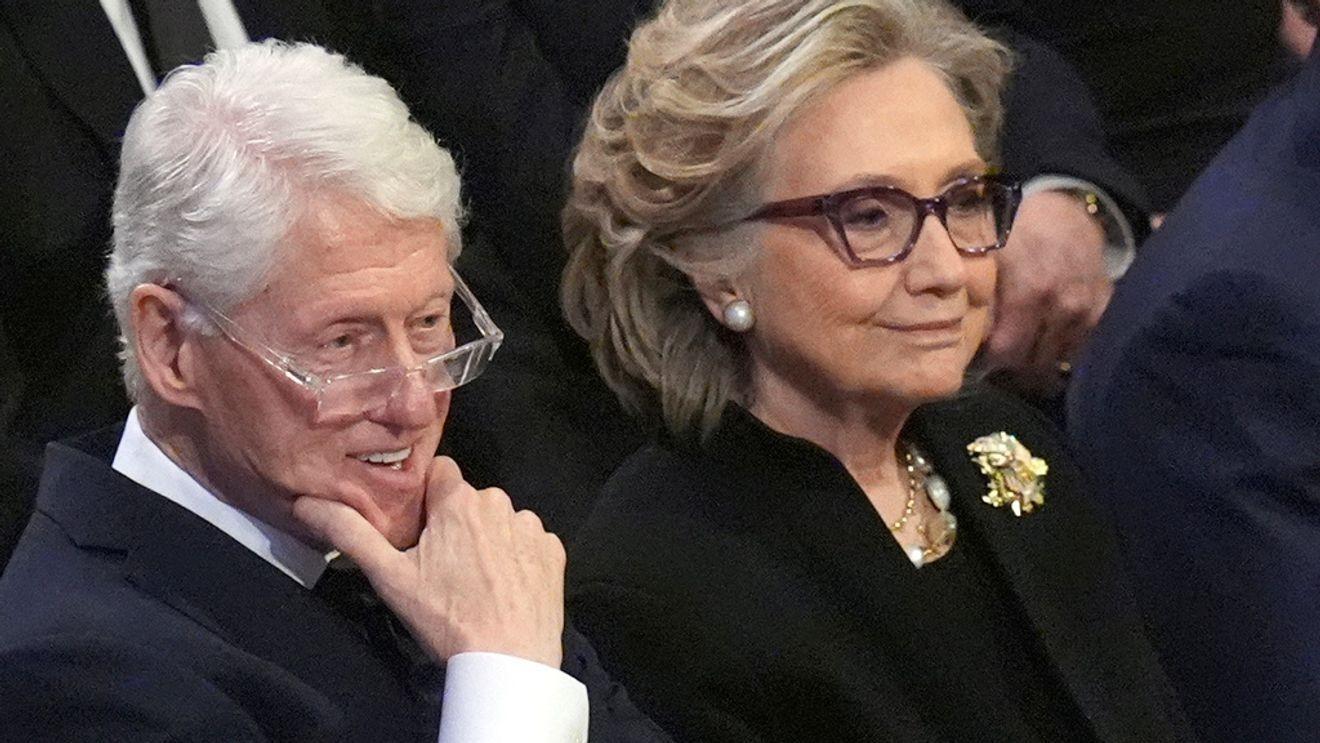
The House Oversight Committee advanced resolutions Wednesday to hold former President Bill Clinton and former Secretary of State Hillary Clinton in contempt of Congress after they declined to comply with deposition subpoenas tied to the panel’s probe of Jeffrey Epstein. Committee roll calls approved holding Bill Clinton in contempt by a 34–8 margin and moved forward with a 28–15 vote to hold Hillary Clinton in contempt; the measures were advanced to the full House for a forthcoming vote and potential referral to the Justice Department. Sources repeatedly described the actions as a formal step that could lead to criminal referral and possible prosecution if the full House concurs and prosecutors pursue charges.
“The Republican-led House Oversight Committee voted Wednesday to hold Bill and Hillary Clinton in contempt of Congress... advanced contempt citations by 34-8 for Bill Clinton and 28-15 for Hillary Clinton; the measures will be sent to the full House in the coming weeks for a vote.”
Contempt votes and subpoenas
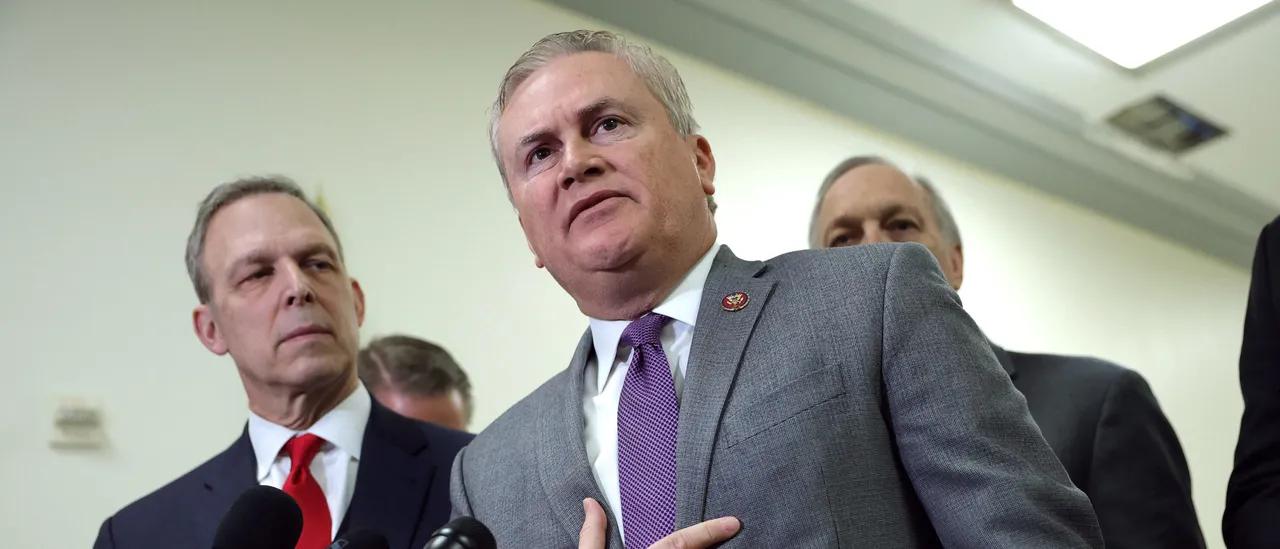
Rep. James Comer and other Republicans framed the contempt votes as enforcement of congressional authority and a defense of the principle that no one is above the law, saying the subpoenas are legally binding and require sworn, transcribed depositions.
Comer said the subpoenas, issued months earlier after subcommittee action, were needed to probe how Epstein used influence and to inform improvements to anti-human-trafficking statutes.

Republicans rejected offers of written statements or informal interviews and insisted that in-person testimony was required.
Clintons' response to subpoenas
The Clintons and their representatives pushed back, arguing the subpoenas were legally invalid. They said they had already provided written declarations or sworn statements and had no relevant knowledge of Epstein's crimes.
“The New York Times reports that Bill and Hillary Clinton rejected subpoenas from Rep. James Comer’s committee, submitting a legal letter calling the subpoenas ‘invalid and legally unenforceable’ and saying they’d already given sworn statements and have no relevant knowledge.”
Their camp said the subpoenas were unenforceable and offered alternative interview arrangements. The Clintons' denials and legal objections were repeatedly noted across outlets that also reported the committee's rejection of those offers.
Contempt referral and coverage
Republicans signaled interest in a criminal referral and some members used pointed rhetoric about possible punishment. One report quotes a lawmaker saying the Clintons 'need to be jailed' if they do not testify.
Media compared this contempt action to prior committee contempt efforts, some of which led to prosecutions. Outlets emphasized that prosecution is a separate decision for the Justice Department and that conviction would carry limited penalties under the criminal contempt statute.
Variation in media coverage
Coverage differs across outlets in tone and emphasis. Some domestic mainstream outlets stress procedure and uncertainty about ultimate outcomes and note bipartisan elements or defections.
“Chairman James Comer (R-Ky.) defended the contempt effort as enforcing the principle that no one is above the law, while Democrats called the move partisan score-settling.”
Local and committee-aligned sources foreground Comer’s narrative and a survivor-focused justification. Alternative and partisan outlets highlight the Clintons’ legal pushback and frame the episode as political theater, and those differences shape what readers learn because vote counts and referral mechanics are widely reported while interpretation of motive, likelihood of prosecution, and whether the move is partisan varies by source.