
House Republicans Approve Stopgap Extension Of FISA Section 702 Until April 30 Amid Deadlock
Key Takeaways
- House votes to briefly extend Section 702 amid deadline pressure.
- GOP divisions and opposition hinder a longer-term renewal reform.
- White House advocates a clean extension without changes.
Deadline and Split Congress
Section 702 of the Foreign Intelligence Surveillance Act (FISA) is set to expire next week, and U.S. lawmakers are deadlocked over whether to allow the Trump administration to extend it without changes.
TechCrunch describes Section 702 as a long-running law that has allowed U.S. intelligence agencies to collect and analyze “huge amounts of overseas communications without needing search warrants,” including communications that “flow through the United States.”
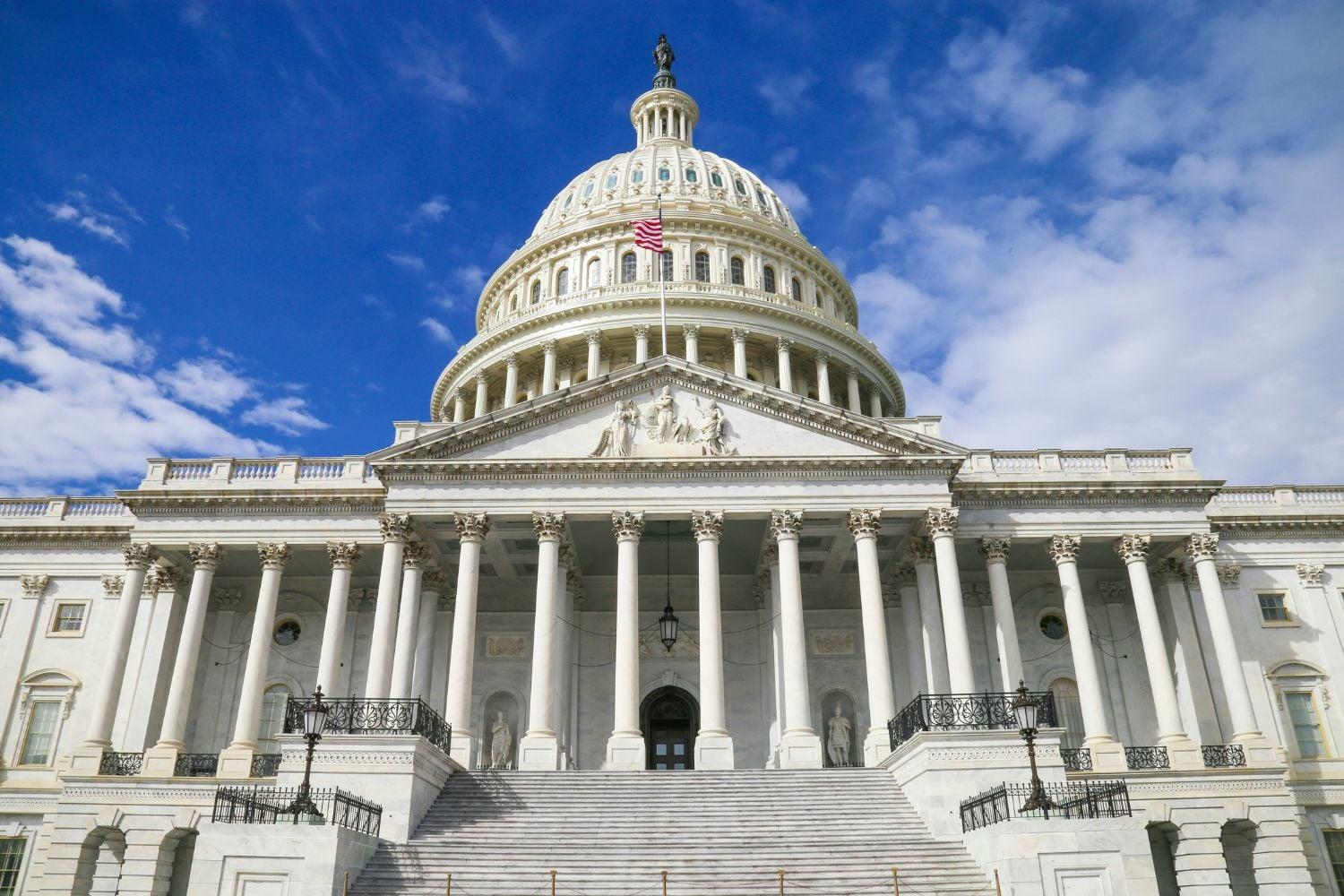
The same report says the law is scheduled to expire on April 20, while House Republicans approved a stopgap extension “until April 30” after voting to extend the authorization “in the middle of the night into Friday.”
The Washington Post frames the moment as a House vote to “briefly extend warrantless surveillance law amid GOP divisions,” reflecting that the political fight is not only about policy but also about internal party alignment.
Fox News adds that the House approved a “two-week extension” of Section 702 “shortly before 2 a.m. Friday,” giving lawmakers until April 30 to reach a deal.
The Guardian reports that a procedural vote on a clean extension was delayed and that a scheduled vote was “cancelled the day of,” underscoring how quickly the legislative timetable is shifting.
Across outlets, the core issue is the same: whether the government can continue collecting and reviewing foreign communications without individualized warrants as the April 20 deadline approaches.
What Section 702 Does
Multiple reports describe Section 702 as an authority that lets U.S. intelligence agencies collect foreign communications that pass through U.S. territory without individualized search warrants.
TechCrunch says Section 702 “allows the National Security Agency, the CIA, the FBI and other federal intelligence agencies to record overseas communications that flow through the United States without needing individualized search warrants.”
It adds that because the agencies sweep up much of the world’s communications, they also collect “phone logs and emails, on Americans who interact with people subject to surveillance overseas.”
The Guardian similarly says Section 702 “allows national security agencies to collect and review texts and emails sent to, and from, foreigners living outside the country, without a warrant,” and notes that “If Americans are talking to a non-American target living abroad, their communications can get swept in, too.”
Lawfare provides a more detailed description of how the program functions, saying Section 702 “authorizes the collection of communications data about foreign intelligence targets that are using U.S. telecommunications infrastructure.”
Lawfare also states that “Section 702 does not authorize the targeting of any U.S. person,” while acknowledging that “some of its targets communicate with Americans.”
Even as the mechanics differ in emphasis, the sources converge on the same structure: foreign-targeted collection without individualized warrants, with incidental collection of Americans’ communications when Americans interact with those foreign targets.
Reforms, Backdoor Searches, Data Brokers
The dispute over renewing Section 702 centers on whether Congress will add privacy reforms, including limits on warrantless access to Americans’ communications and restrictions on government use of commercially purchased data.
TechCrunch says lawmakers are calling for “sweeping changes to FISA,” with a bipartisan, pro-privacy group seeking provisions to prevent agencies from using a “backdoor search” loophole that allows them to “trawl the communications of Americans without first obtaining a search warrant.”
The same report says another key provision would prevent federal agencies from buying commercially available data about Americans from data brokers, describing a practice the government has long asserted does not need court permission.
TechCrunch also states that FBI director Kash Patel confirmed in a March congressional hearing that the FBI buys Americans’ location data without seeking court authorization.
The mezha.net report echoes the reform package, saying the Government Surveillance Reform Act aims to close the “backdoor loophole” and to ban federal agencies from purchasing American data from data brokers.
Fox News, by contrast, describes the political fight as conservatives blocking a compromise that would have extended the program for five years while incorporating “minor reforms intended to appease GOP privacy hawks,” and it quotes House Speaker Mike Johnson saying, “What we're trying to do is thread the needle of ensuring that we have this essential tool to keep Americans safe but also safeguard constitutional rights.”
Across these accounts, the reform debate is not abstract: it is tied to specific mechanisms like “backdoor search” access and data broker purchases, and it is driving procedural brinkmanship as the April 20 deadline nears.
Voices: Trump, Johnson, Wyden, Massie
The sources portray sharply different political and advocacy voices, with President Donald Trump urging unity behind a “clean” extension and privacy-focused lawmakers warning that the secret interpretation of Section 702 affects Americans’ rights.
TechCrunch says a social media post from President Trump suggests that “as of this week, the White House is keen on the idea of passing a simple re-authorization without any changes to the law.”

Fox News quotes House Speaker Mike Johnson saying, “We were very close tonight. There's some nuances with the language and some questions that need to be answered and we'll get it done,” and it also quotes Johnson on the purpose of the extension: “What we're trying to do is thread the needle of ensuring that we have this essential tool to keep Americans safe but also safeguard constitutional rights.”
TechCrunch identifies Sen. Ron Wyden as warning that multiple U.S. administrations have relied on a secret, legal interpretation of Section 702 that “directly affects the privacy rights of Americans,” and it says Wyden urged the government to declassify the information.
The mezha.net report includes a direct quote from Wyden’s position, stating “The issue remains classified, but he urged the government to declassify the information so lawmakers could discuss it.”
It also quotes Rep. Thomas Massie on X, saying, “The Constitution requires that I vote ‘No’ on reauthorizing FISA 702.”
Fox News and The Guardian add additional holdout and leadership quotes, including “Warrants or bust” and “I am asking Republicans to UNIFY,” reinforcing how the fight is being waged through public statements.
What Happens If It Lapses
Even if Section 702 expires, the sources describe mechanisms that could keep surveillance running, and they also describe the political and legal consequences of failing to reach agreement.
TechCrunch says that “Even if Section 702 expires on Monday, it doesn’t mark the immediate end of the U.S. government’s surveillance powers,” and it explains that a legal quirk would allow surveillance to continue until March 2027 unless Congress intervenes.

The report attributes this to the Foreign Intelligence Surveillance Court (FISC), saying it asks the government each year to certify that practices are lawful, and that this “rubber-stamp” allows collection of phone calls and emails for “a duration of 12 months.”
The Guardian similarly states that “Surveillance under Section 702 can continue through March 2027, even if Congress doesn’t extend the law by then,” because it operates through “yearlong certifications approved by a special federal court.”
Fox News adds that the Trump administration argues the spying authority must be renewed to prevent potential terrorist attacks on the homeland and that it would be reckless to let the program lapse amid conflict with Iran, while it quotes CIA Director John Ratcliffe telling Fox News that “There’s a lot at stake.”
Lawfare argues that Section 702 “regularly contributes to 60 percent of the President’s Daily Brief,” while also describing that “Those targets represent only 3.2 percent of all 702 targets.”
Across the accounts, the consequences are both immediate and structural: the legislative deadline is near, but the sources also describe how surveillance can persist through court certifications even if Congress does not act.
More on USA

US Troops On USS Tripoli And USS Abraham Lincoln Face Food Shortages, Mail Suspended For 27 ZIP Codes
16 sources compared

Iran Declares Strait Of Hormuz Completely Open; Trump Says U.S. Blockade Continues Until Deal
36 sources compared
Todd Lyons Submits Resignation Letter to Homeland Security Secretary Markwayne Mullin
18 sources compared

White House And Iran Trade AI Memes In Online War Over Trump And Jesus
11 sources compared