USA17 December, 20252 min read
House Republicans Pass Health Care Bill, Deny Extension of Obamacare Subsidies
This article is an automated aggregation of coverage from news outlets. Our editorials offer in-depth analysis curated by the NewsCord team.
Four centrist House Republicans defied Speaker Mike Johnson to join Democrats' discharge petition Discharge petition reached 218 signatures, guaranteeing a House vote to extend premium tax credits

5 outlets told this the same way.
House fight over ACA subsidies
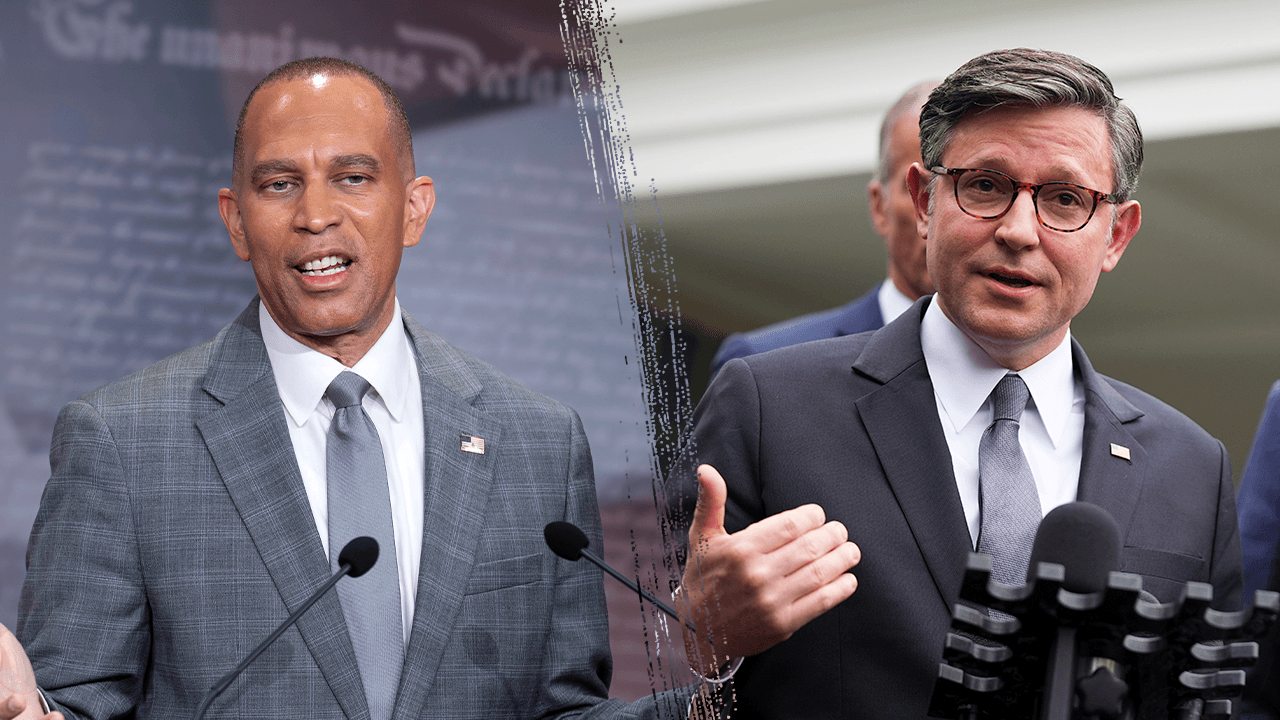
House Democrats forced a floor fight in the House of Representatives by using a discharge petition to try to extend expiring ACA premium subsidies after leaders declined to bring the measure up. Four moderate House Republicans joined Democrats to push a three-year extension. House Minority Leader Hakeem Jeffries secured the 218 signatures needed to force a chamber-wide vote, according to reports.
“House Democrats forced a floor fight Wednesday over expiring ACA premium subsidies, using a discharge petition to bypass Speaker Mike Johnson after leaders declined to bring the measure up.”
Speaker Mike Johnson and GOP leaders pursued a separate bill that would not extend the subsidies. The maneuver came amid warnings from GOP leadership about bypassing normal process and amid claims from Democrats that opponents were playing games when people’s lives are at stake.

GOP health subsidy debate
Republicans advanced a separate measure called the Lower Health Care Premiums for All Americans Act, which the nonpartisan Congressional Budget Office (CBO) said would lower deficits by $35.6 billion but, according to Al Jazeera’s reporting, would result in about 100,000 insured people losing coverage per year on average through 2035. Fox News similarly reports that GOP leaders are advancing a bill aimed at lowering health-care costs while rejecting GOP amendments to keep the credits in committee. These competing proposals highlight a substantive policy divide over whether to extend Affordable Care Act premium supports or to pursue alternative premium-lowering measures that shrink subsidies overall.
Timing and political stakes
Timing and political calculations are central to the dispute. Al Jazeera notes the House's slim 220-seat GOP majority and that three of the defecting Republicans are from swing-state Pennsylvania, framing the fight as a likely 2026 campaign issue and warning that, absent swift Senate action, many Americans could face higher premiums in January.
“With a slim 220-seat GOP majority in the 435-seat House and three of the defecting Republicans from swing-state Pennsylvania, the fight highlights affordability as a 2026 campaign issue.”
Fox News underscores the procedural timing constraints around discharge-petition rules, noting the earliest Jeffries' bill could reach the House is early next year. It also records Speaker Johnson's admonitions against what he called an end-run around normal process.
Media framing of congressional dispute
Lawmakers' rhetoric reflects the partisan stakes.
Al Jazeera cites Rep. Rosa DeLauro criticizing opponents for 'playing games when people's lives are at stake,' emphasizing the Democrats' human-cost argument.
Fox News records GOP signees saying they backed the discharge petition because House leadership would not allow bipartisan measures to reach the floor and includes Mike Lawler urging the speaker to allow an up-or-down vote.
The two outlets present contrasting tones: Al Jazeera foregrounds urgent appeals to protect coverage, while Fox frames the move as a bipartisan corrective to leadership's refusal to bring up bills.
Legislative timing and outlook
Both Al Jazeera and Fox News indicate uncertainty about immediate relief for consumers. Al Jazeera says the Senate is unlikely to act before the year-end recess and cites lawmakers who expect debate may prompt action after the new year. Fox News highlights procedural timing that delays any House consideration of the Jeffries measure until early next year.
“Even if the House passes legislation this week, the Senate is unlikely to act before the year-end recess, meaning many Americans face higher premiums in January; some lawmakers, including Sen. Lisa Murkowski, said the debate may prompt Senate action after the new year.”
Taken together, the reports suggest a short-term stalemate with the possibility of movement after the recess. The outlets differ in emphasis, with some focusing on policy impact and others on the legislative process or political consequences.