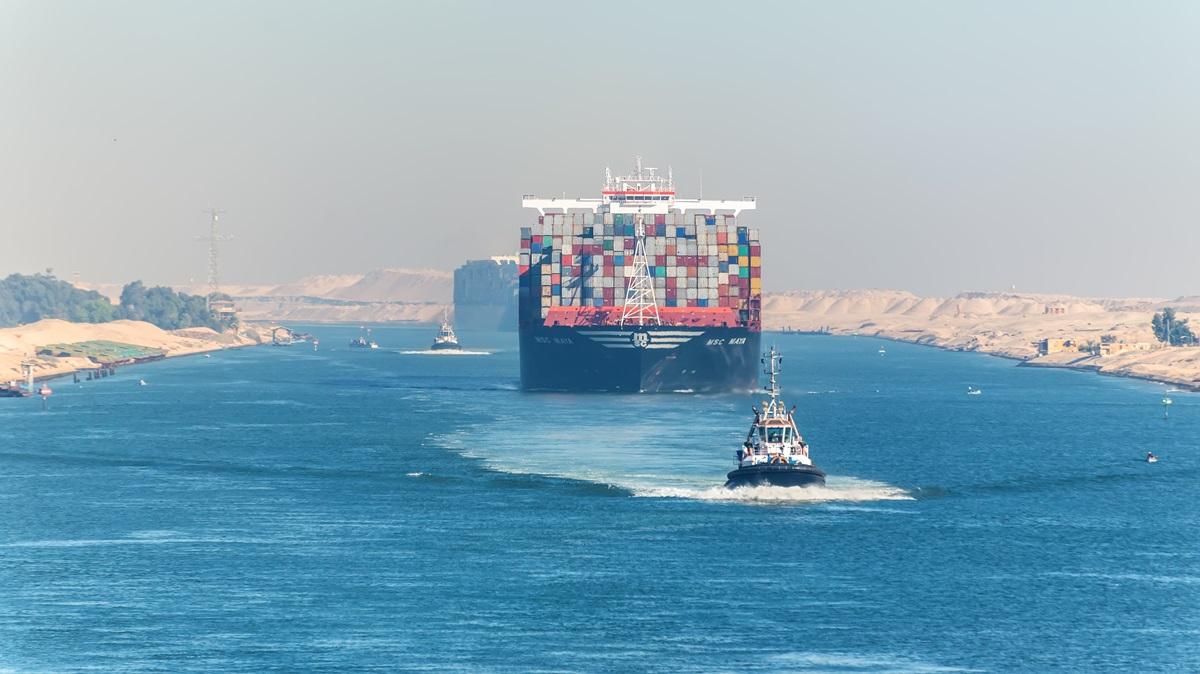
Houthis Appear To Enter Tactical Pause, Refrain From New Red Sea Strikes
Key Takeaways
- Houthis launched a sustained Red Sea shipping campaign since 2023 with over 100 attacks.
- Red Sea attacks disrupted Suez transit and pushed freight rates higher worldwide.
- UNCTAD warns Red Sea disruptions threaten global trade amid tensions.
Pause amid 42% drop
New development: after months of Red Sea attacks that pushed Suez Canal transits down by 42%, credible reports from West Asian observers indicate the Houthis may have entered a tactical pause, refraining from new strikes as Iran-aligned actors reassess timing and leverage.
“The Houthi Red Sea Trap: How Insurance Companies Could Decide the Fate of Global Trade, Oil Markets, the World Economy, and US Elections”
This pause comes as UNCTAD documents the scale of the disruption and as observers flag potential timing with Iran and other regional actors to maximize leverage before a broader escalation.
Trade disruption economics
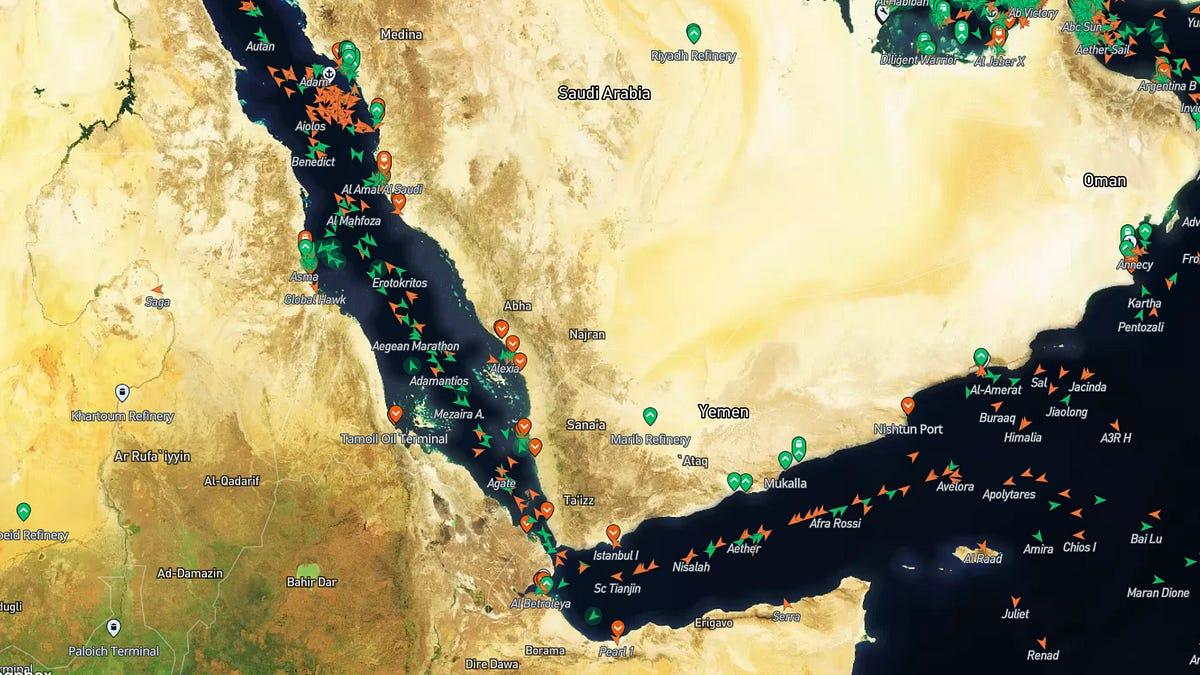
Deepening disruption or enduring leverage? The latest data show the consequences extending well beyond Suez: UN News notes a 67% drop in weekly container transits through the Suez corridor, while the Panama Canal has seen total transit down 49% from its pre-crisis peak.
Even as the Red Sea remains volatile, shipowners have raised freight and insurance costs as they shuffle routes around Africa.

COFACE highlights the longer-run shifts: container traffic via Suez fell dramatically, and Shanghai–Rotterdam freight costs surged, reflecting a broader tilt toward slower, more expensive supply chains.
Pause or escalation signal
On the strategic theater, the Houthis’ posture remains contested: The Guardian notes their missiles targeted Israeli military sites—their first such attack since the war began—while a televised warning framed by Reuters-style reporting emphasized that the group has its ‘fingers on the trigger’ for direct intervention if new alliances join the conflict or the Red Sea is used against Iran.
“The Houthi Red Sea Trap: How Insurance Companies Could Decide the Fate of Global Trade, Oil Markets, the World Economy, and US Elections”
Yet Lebanon Debate suggests the absence of new attacks could be a calculated pause—an explicit form of 'strategic patience' awaiting coordination or timing with Iran to deliver a bigger strike later, a pattern some analysts describe as tactical hedging rather than de-escalation.
Trade risk and policy shifts
What this means for West Asia and global trade is a real test of risk management and policy coordination: the Red Sea choke point, along with Suez and Panama, already accounts for a large share of global commerce, and any renewed escalation could push shipping costs higher and push more cargoes toward longer, more costly routes.
UNCTAD emphasizes the maritime system’s centrality—'il représente plus de 80 % des échanges mondiaux de marchandises'—and UN News warns that the perturbations on major routes are a once-in-a-generation challenge for global trade.
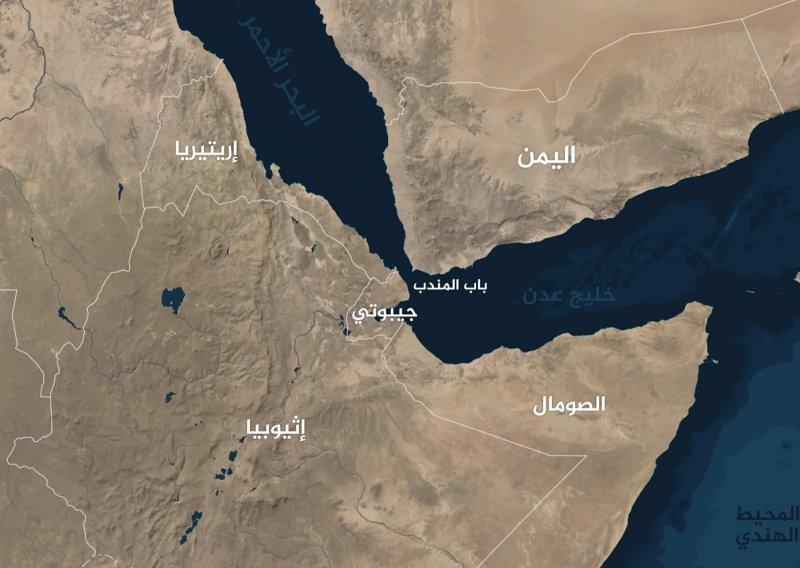
The risk premium on routes around Africa is rising, with reports of sharp container-rate increases and the potential for persistent higher insurance costs, while shippers increasingly contemplate Cape of Good Hope detours as a structural adjustment to the current risk environment.
More on Yemen

Houthis Launch First Missiles At Israel, Joining Iran War And Threatening Red Sea Routes
75 sources compared
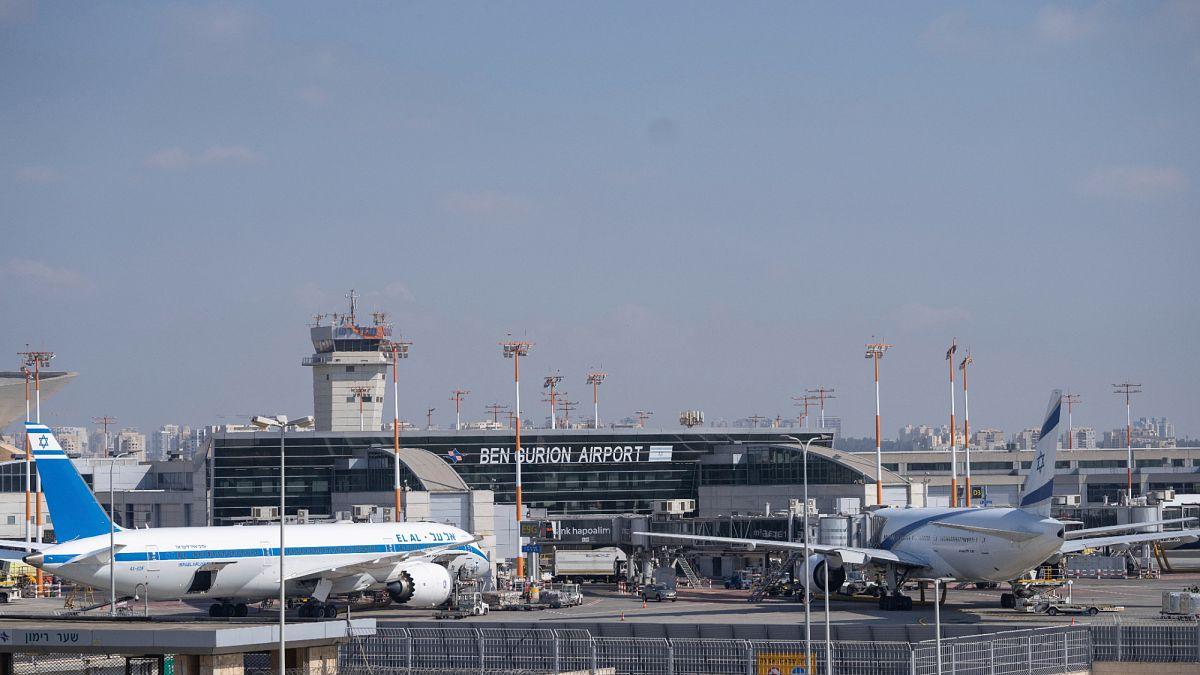
Houthis Fire Missiles At Israel, Threaten Closure Of Bab Al-Mandeb
56 sources compared

Houthis Pledge Direct Military Intervention In Israel–Iran War, Threaten Red Sea Chokepoint
15 sources compared
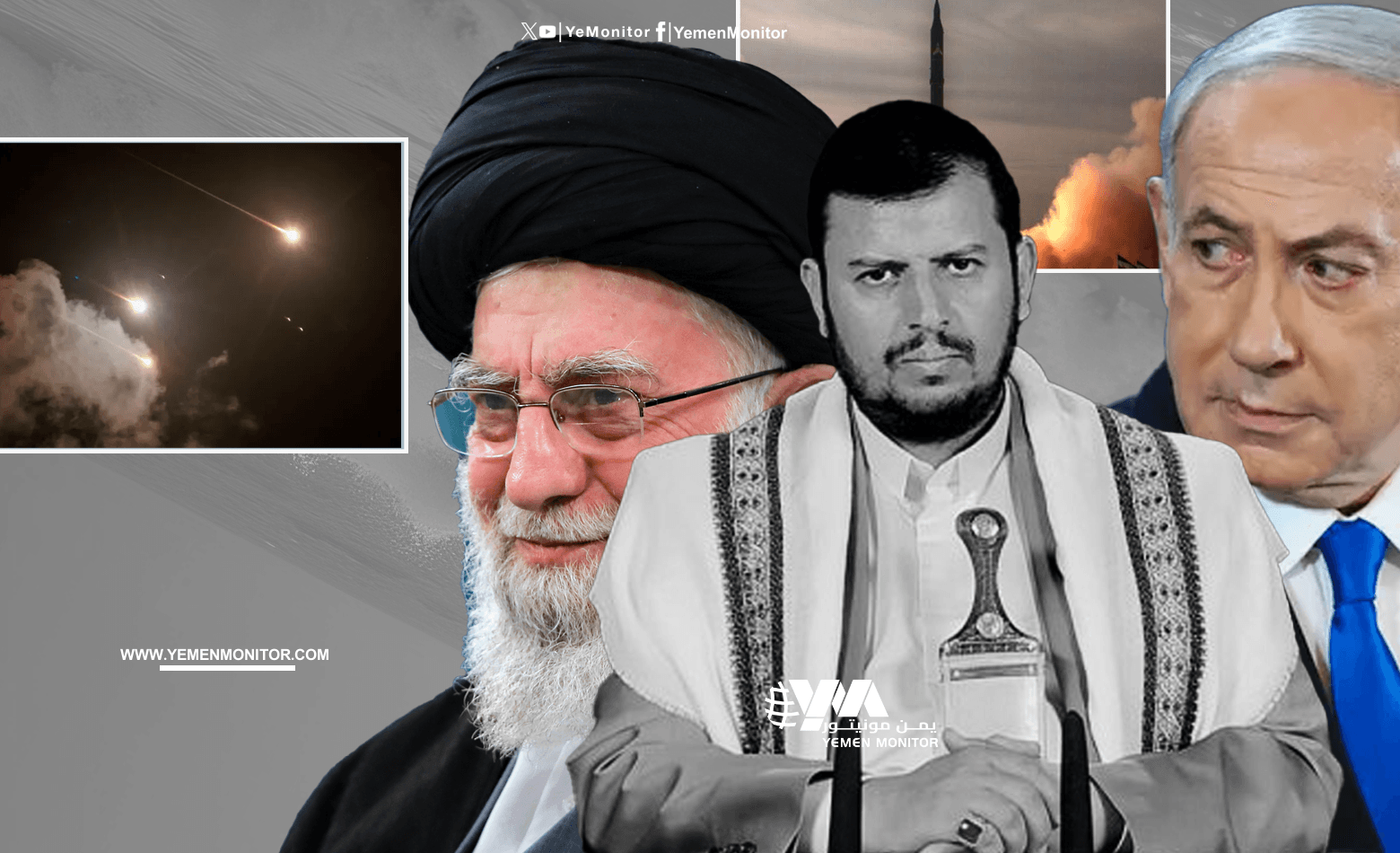
Houthis Launch First Ballistic Missile Strike On Israel, Demand Gaza Ceasefire And Yemen Siege Lift
32 sources compared