Full story
Houthis' first direct strike
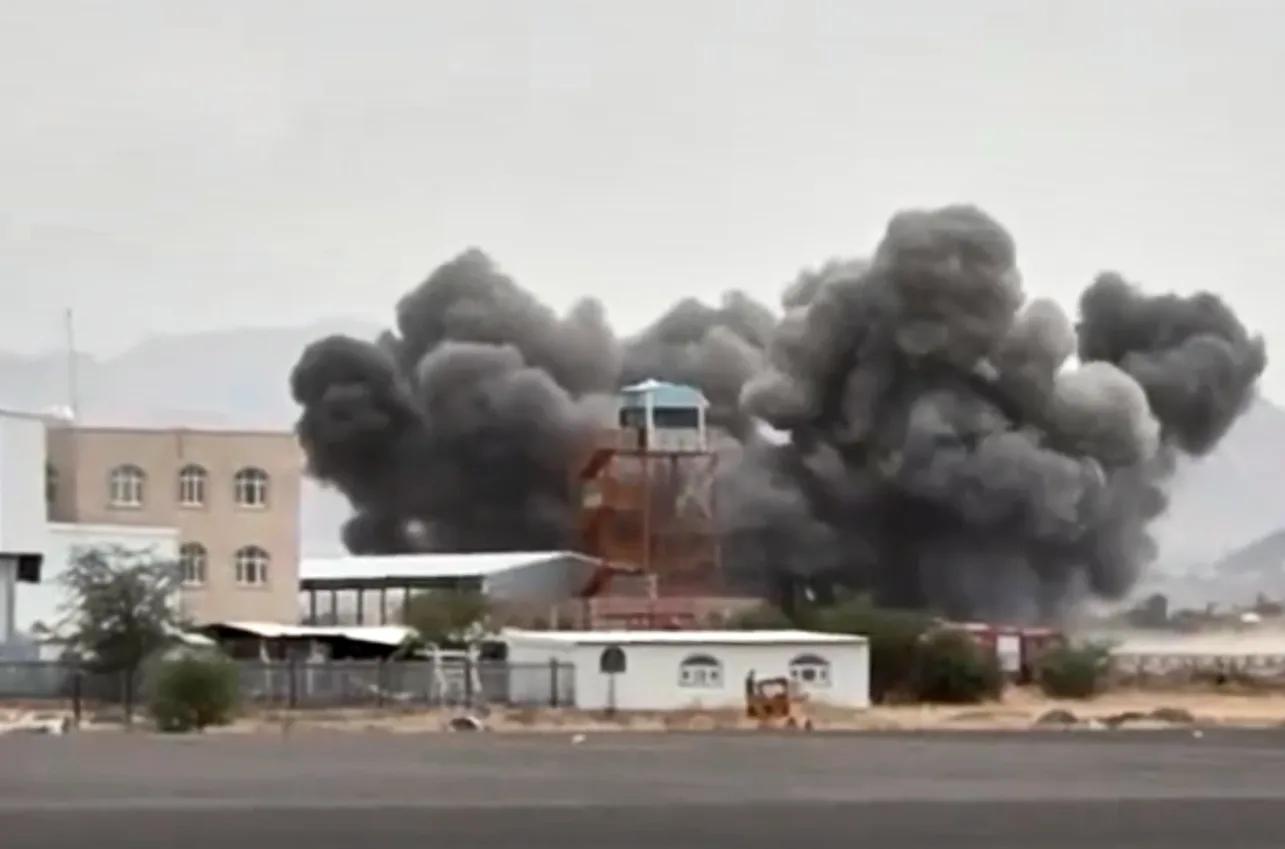
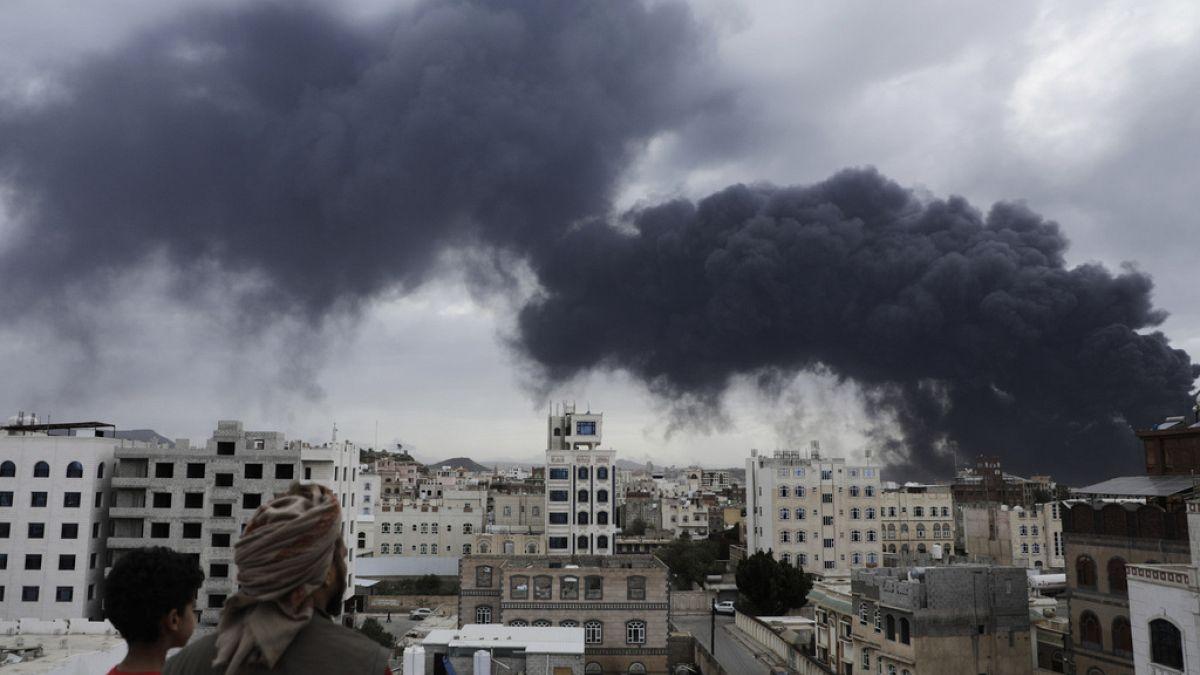
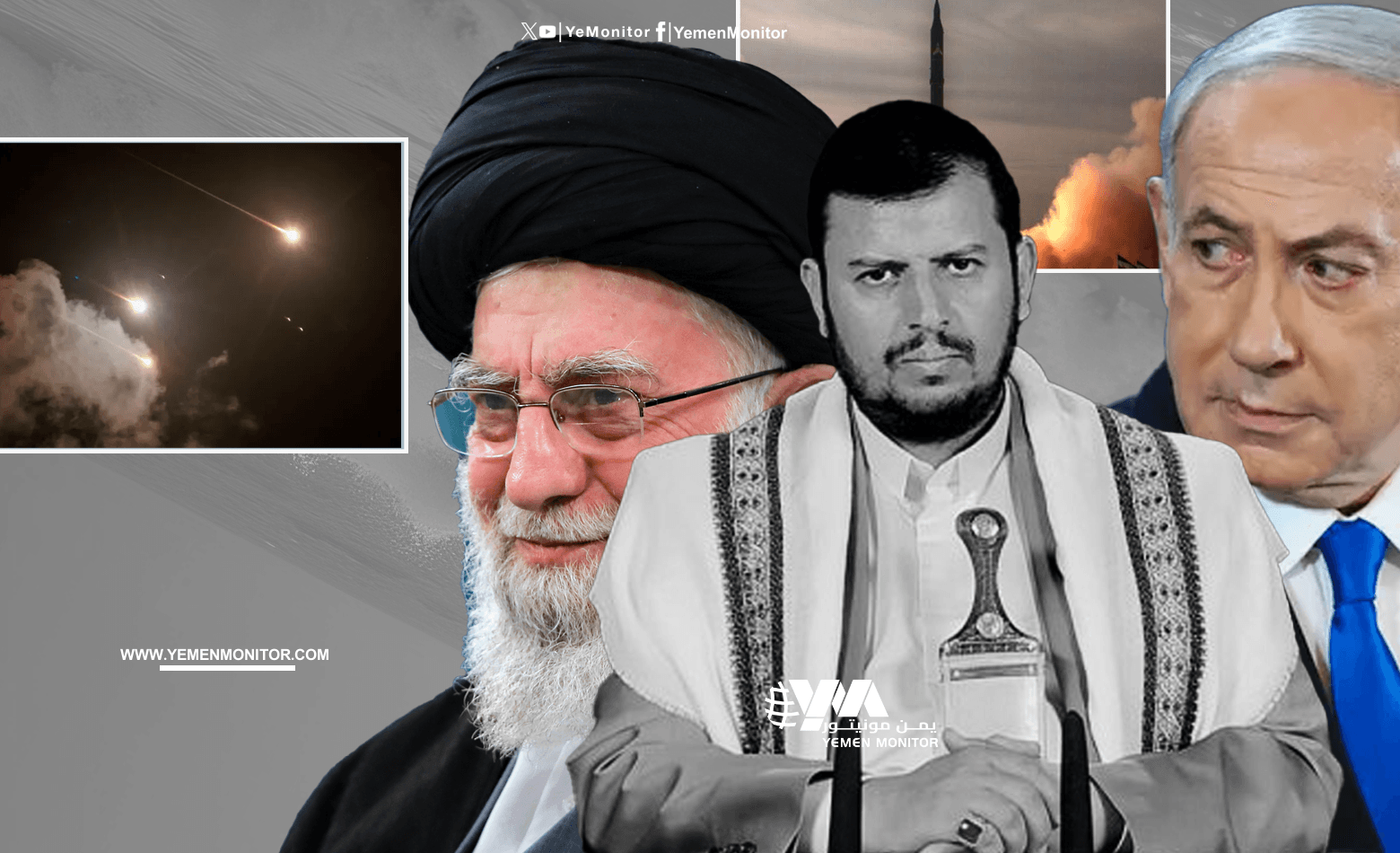
The single most important new development is the Houthis' first ballistic missile attack on Israel, signaling their direct entry into the US-Israel war against Iran.
“Yemen’s Iran-allied Houthis say they are prepared to intervene militarily if other countries join the United States and Israel in their war against Iran, or if the Red Sea is used to launch attacks on their ally”
Yemen's Iran-backed Houthis said they attacked southern Israel with a barrage of missiles, the first such strike since the war began.

Israel intercepted the missile, raising the prospect of a broadened front.
Analysts warn the move could turn the Red Sea and Bab al-Mandeb into new battlefields.
The attack follows weeks of rhetoric that the Houthis would join the conflict if Red Sea shipments were targeted.
International players warn that this could escalate beyond the Iran axis into a wider West Asia war.
Houthi demands and red lines
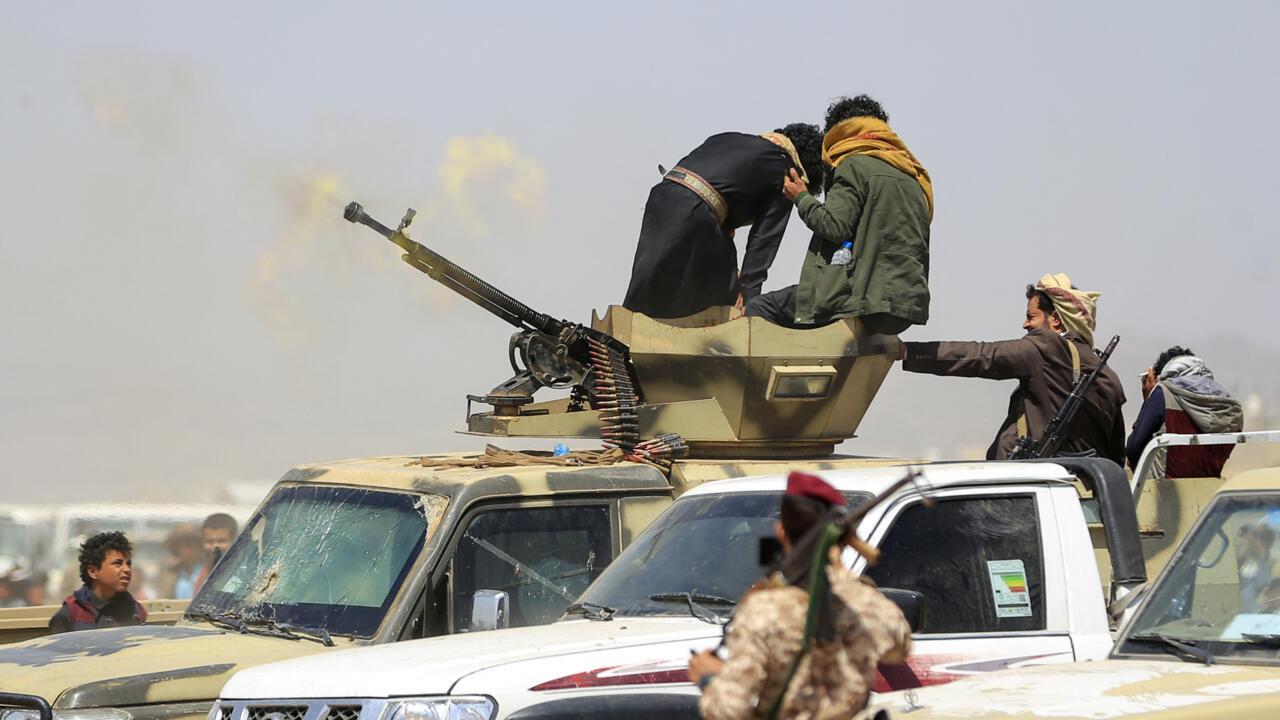
The Houthis published a five-point demand set and outlined three red lines that would trigger direct intervention.
Their statements insist on an immediate halt to US-Israeli aggression and the lifting of the siege on Yemen.

They demand Gaza ceasefire implementation and full respect for Palestinian rights.
They warn against any new alliances with the US and Israel against Iran.
They require the Red Sea not be used for hostile operations against Iran or any Muslim country.
They insist that escalation against the Axis of Resistance must stop and that the war must end on all fronts.
Some outlets also describe a plan to defend against a Greater Israel project and call for regional unity.
Shipping disruptions risk
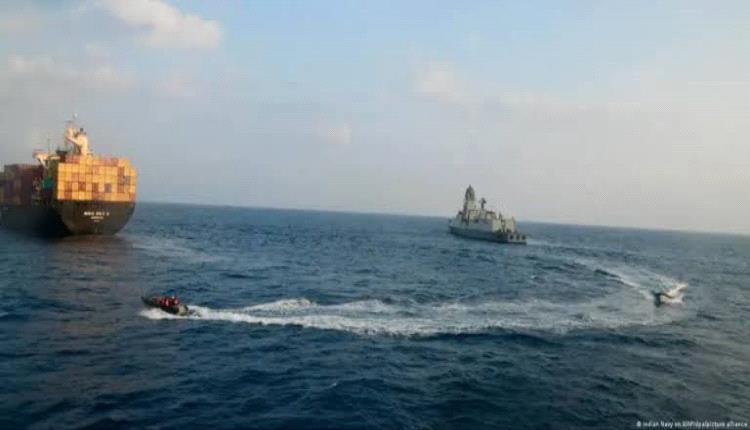
Analysts warn theHouthis’ entry could heighten disruption to global shipping and energy flows, particularly through the Bab al-Mandeb and Hormuz chokepoints.
“Abdul-Malik al-Houthi, the leader of the Houthi movement, on Thursday threatened to join Iran in the war, coinciding with Tehran’s threats to bring the 'Bab al-Mandab Front' into the conflict should the United States occupy its islands or any part of Iranian territory”
NBC News argued that the move could trigger broader disruption, saying the Houthis have given the United States and Israel a taste of what’s to come.
CNBC noted the potential for choking off maritime traffic through the Bab el-Mandeb Strait.
Le Monde framed the move as a development that could disrupt Red Sea shipping and complicate global trade.
The Guardian described the escalation as adding a new, potentially destabilising front to shipping networks in West Asia.
Diplomacy and escalation risks
The widening conflict has triggered diplomatic maneuvering across capitals, with Turkey pledging a constructive role in de-escalation and Iran's foreign ministry signaling crisis management.
The BBC quoted Turkey's foreign minister saying Ankara would play a constructive role and that Iran and Turkey had discussed de‑escalation via diplomacy.
Pakistan said it would host talks in Islamabad on de-escalation with Saudi Arabia and Egypt, a move reported by The Guardian as part of broader regional diplomacy.
Al Jazeera Net noted the cautious mood and asked why the Houthis have delayed actual involvement despite threats, highlighting uncertainty about timeline and escalation scenarios.
Kurdistan24 cited Hans Grundberg warning that the war could drag Yemen into a wider regional conflict and cautioned about destabilising spillovers.