Full story
New Houthi pledge to intervene
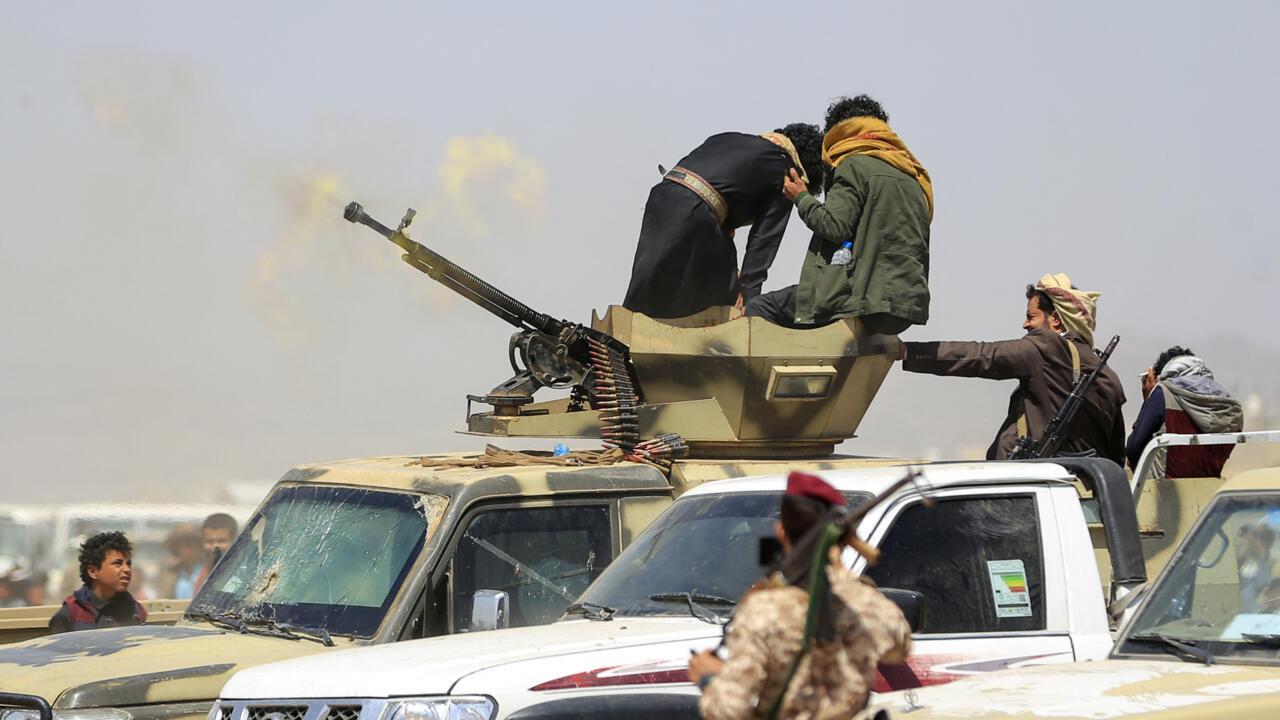
The single most important new development is the Yemen-based Houthis publicly pledging to intervene militarily in the Israel–Iran war if U.S.-Israeli escalation continues, signaling the first explicit commitment by Iran-aligned proxies to enter Tehran’s fight.
“One thing that’s helped to limit the damage in oil markets since the Iran war largely shuttered the Strait of Hormuz is the availability of an alternative route for getting crude from Saudi Arabia to Asia: the Red Sea”
In a televised speech, Saree stated, "We confirm that our fingers are on the trigger for direct military intervention" if new alliances join Washington and Tel Aviv or if the Red Sea is used to launch "hostile operations" against Iran.
CNN Arabic quotes the Houthis saying, "Yemen, led by Ansar Allah (referring to the Houthis), will join in support of Iran. We have a religious, ethical, and humanitarian responsibility to do so."
The Jerusalem Post notes that a missile was launched from Yemen and that the Houthis warned they were prepared to act if escalation against Iran and the Axis of Resistance continued.
BBC Arabic frames this as part of a widening confrontation with Netanyahu’s claim that "the war with the Houthis has just begun."
Red Sea shipping at risk
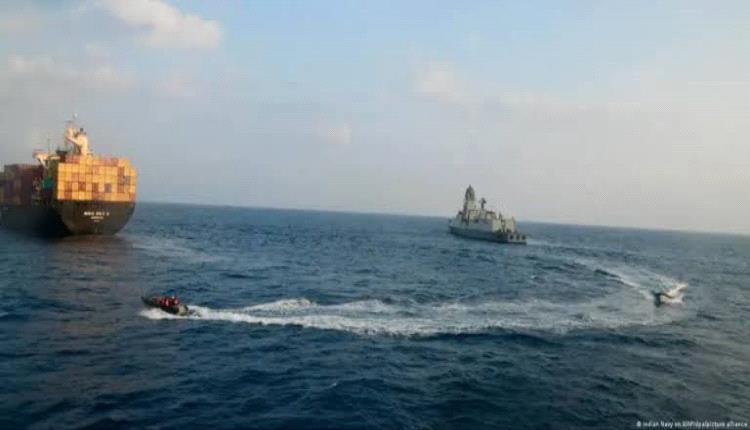
The pledge explicitly raises the strategic and economic stakes by expanding a Red Sea front, threatening a chokepoint through which a sizable share of global energy and trade flows.
Politico warns that closing Bab al-Mandeb could compound global financial turmoil and likely push oil prices to around $150 a barrel.

El País underscores the Houthis’ declared willingness to escalate, noting the strategic importance of blocking Bab al-Mandeb to disrupt shipping.
AFR highlights that the Red Sea route has become a critical alternative as Iran and its allies push energy disruption, with analysts describing the Red Sea corridor as increasingly central to regional power dynamics.
The New York Post adds that the Houthis are threatening to open a new front along the Red Sea, a route used by major shipping traffic and thus central to the global energy and trade system.
Explicit escalation thresholds
The National lists three explicit thresholds for escalation: (1) the entry of any additional alliances alongside the United States and Israel against Iran and what it calls the Axis of Resistance; (2) the use of the Red Sea to carry out hostile operations against Iran or any Muslim country; and (3) the continuation of escalation against the Islamic Republic and the Axis of Jihad and Resistance.
“Yemen’s Iran-allied Houthis say they are prepared to intervene militarily if other countries join the United States and Israel in their war against Iran, or if the Red Sea is used to launch attacks on their ally”
CNN Arabic reports the Houthis see intervention as a response to escalation and a duty to join Iran’s side, while Hindustan Times notes the group claims to be militarily ready with all options.
조선일보 quotes Saree asserting that operations will continue until goals are achieved, signaling ongoing willingness to pursue action.
The New York Post relays Reuters’ reporting that the Houthis are ready to join the war, with explicit statements about being prepared to act.
Overall, these sources collectively depict a clearly defined threshold for escalation, framed by the Houthis as a defensive and solidarity-driven policy rather than a mere tactical threat.
Broad regional risk and energy stakes
ACLED-based analysis cited by موقع بوست frames Iran’s Red Sea energy strikes as a qualitative escalation that threatens energy-supply routes and highlights why the Houthis’ hesitations to engage militarily remain a crucial variable.
Politico warns that closing Bab al-Mandeb could push oil prices higher and deepen financial turmoil, complicating western and Asian energy-import strategies.
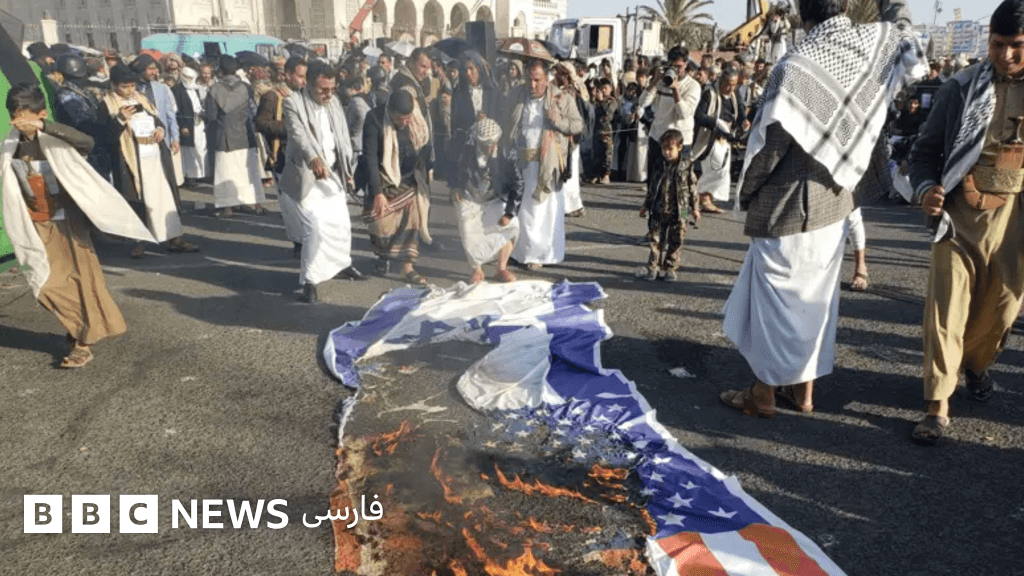
AFR notes that the Red Sea has become a key alternative route as Hormuz remains volatile, underscoring the energy-security stakes of any disruption.
The BBC frames the Yemen front as the last major open front, while El País notes that escalation could proceed in stages, including potential blockades of key straits.
Overall, the reporting converges on a real risk: a multi-front confrontation that could widen economic and security spillovers far beyond West Asia.