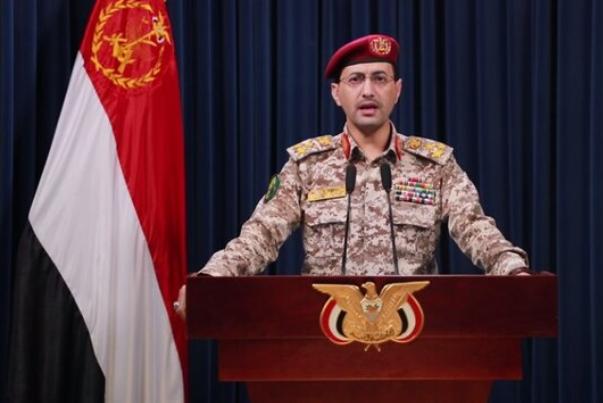
Houthis Launch First Missiles At Israel, Joining Iran War And Threatening Red Sea Routes
Key Takeaways
- Yemen's Iran-backed Houthis launched missiles at Israel, first such attack since the Iran war began.
- Israel intercepted the missiles; air-raid sirens sounded in southern Israel.
- U.S. Marines arrived in the Middle East, about 3,500 aboard USS Tripoli.
New front in West Asia
The Houthis’ missiles toward southern Israel are described by Reuters as their first attack targeting Israeli sites since the U.S.-Israeli campaign began.
“The Houthis’ recent missile activity marks a potential expansion of the Middle East conflict, raising concerns over Red Sea security and global trade routes Tehran: The recent missile launch by Yemen’s Iran-backed Houthi group towards Israel signals a possible widening of the ongoing Middle East conflict”
BBC frames the move as the Houthis entering the war, signaling a significant expansion beyond Gaza-related operations.

The New York Times notes the attack could broaden the war’s reach across the region.
NBC News states the attack is the first military operation by the Houthis in support of Iran during the current conflict.
DW emphasizes the implications of the Houthis’ entry for regional security and maritime traffic.
Houthi plan and triggers
Saree’s statements cited by CNN Arabic frame readiness to intervene if U.S./Israeli actions escalate.
An Anadolu Ajansı report reiterates that this is the Houthis’ first time firing at Israel in this war.
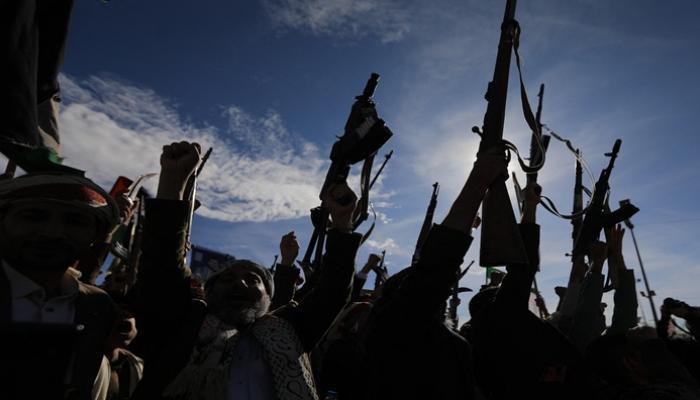
PressTV's coverage highlights the triad of resistance fronts and the intent to continue until objectives are achieved.
DW notes the explicit conditions surrounding potential expansion into other fronts or maritime operations.
Saudi and Gulf outlets emphasize the Red Sea/Bab al-Mandeb dimension as central to the plan.
US military buildup
NBC News notes the arrival of 2,500 Marines aboard the USS Tripoli and broader regional deployments.
“The Israeli occupation army intercepted a Houthi drone coming from Yemen toward Eilat in southern Israel, according to Al-Hadath channel”
NPR describes the Tripoli as carrying about 3,500 sailors and Marines and notes the region-wide deployment.
The Guardian reports thousands of US Marines and sailors arriving in the Middle East.
Reuters documents the Pentagon's deployment of thousands from the 82nd Airborne Division.
Maritime and energy security risk
CNBC notes Maersk paused future trans-Suez sailings through Bab al-Mandeb for roughly 48 hours following the disruption.
The Straits Times underscores Bab al-Mandeb as a critical choke point for global trade and energy routes.

The New York Times reports on the broader energy-market consequences of Iran’s actions and the regional escalation.
Reuters documents heightened energy-market volatility tied to the conflict’s expansion.
NBC News highlights the risk of renewed Red Sea shipping disruptions as the Houthis potentially re-enter maritime hostilities.
Diplomacy and regional talks
The Guardian notes Pakistan hosting talks with Saudi Arabia, Turkey, and Egypt to try to end the conflict.
“An Israeli official told the Israeli Public Broadcasting Corporation (Kan) that the Israeli army would respond to the Houthis 'forcefully,' adding that the group 'will pay the price”
More on Iran
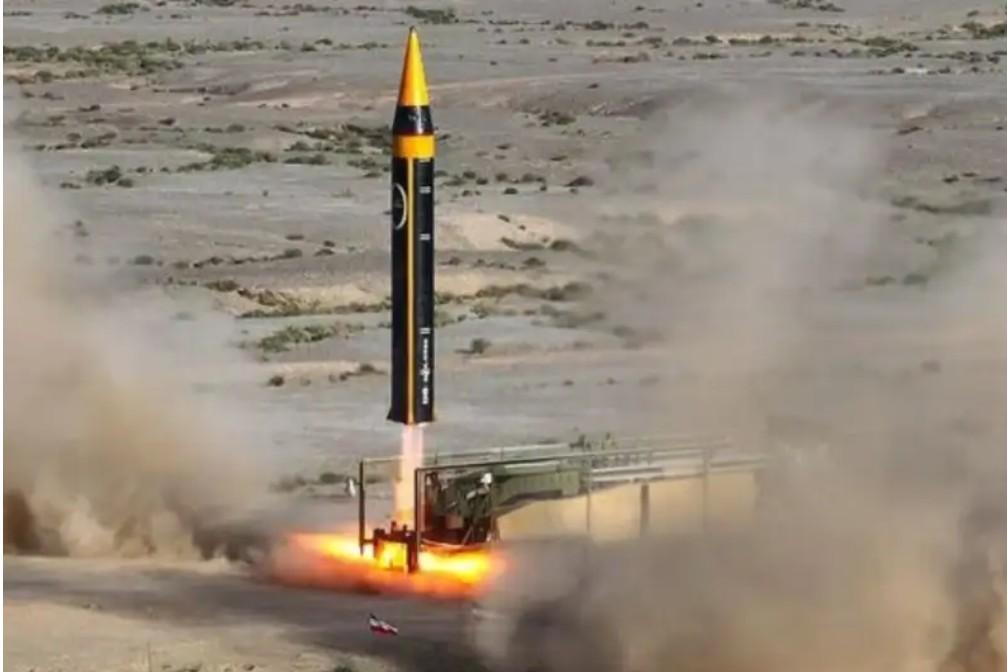
Houthis Formally Enter Iran-Israel War By Firing Missiles And Drones At Israel
16 sources compared
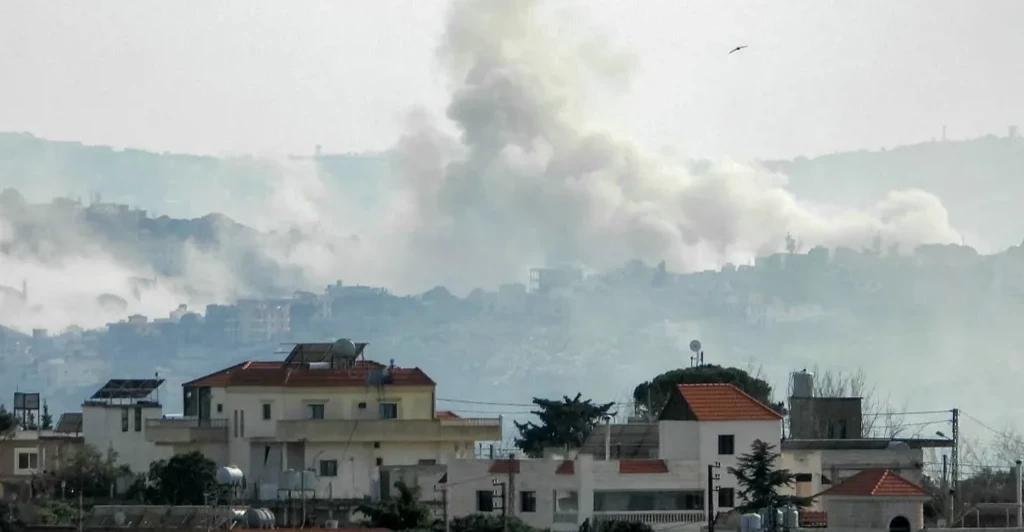
Israel Strikes Jezzine, Kills Three Journalists; WHO Says Nine Paramedics Killed In South Lebanon
17 sources compared
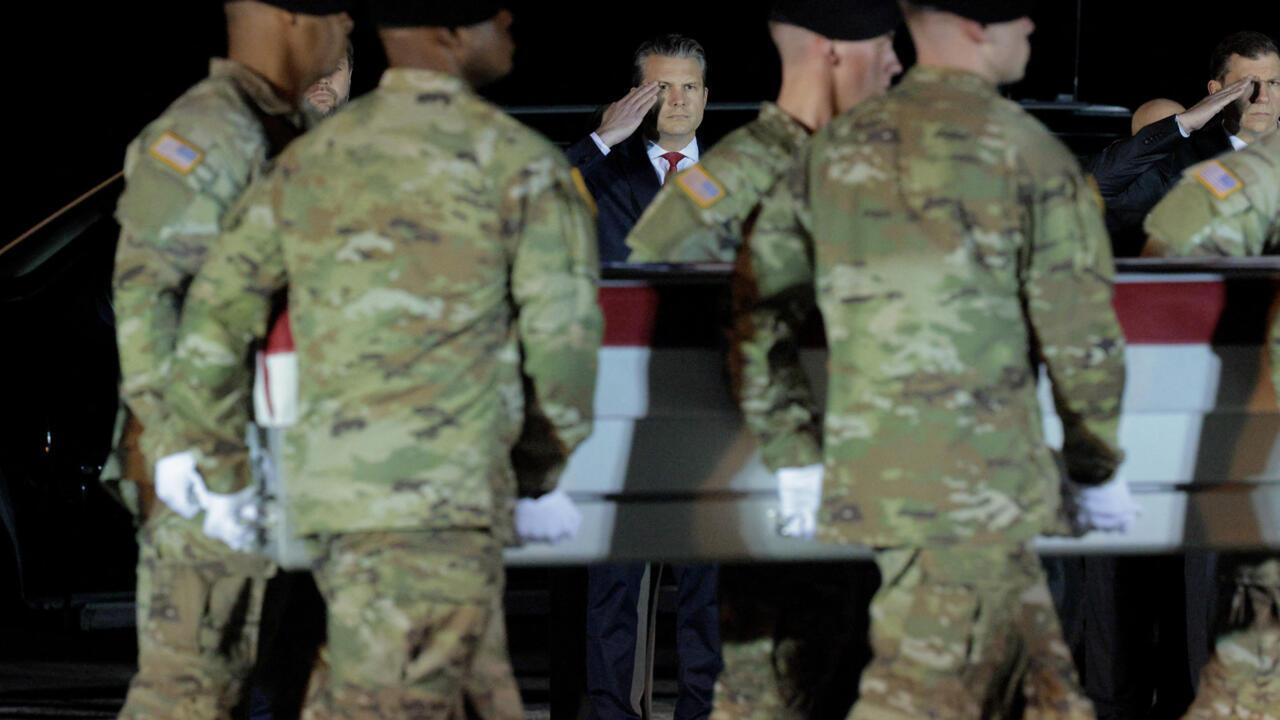
Iran Strikes Prince Sultan Air Base With Missiles, 29 Drones; Refueling Plane Destroyed, 10–15 Wounded
13 sources compared
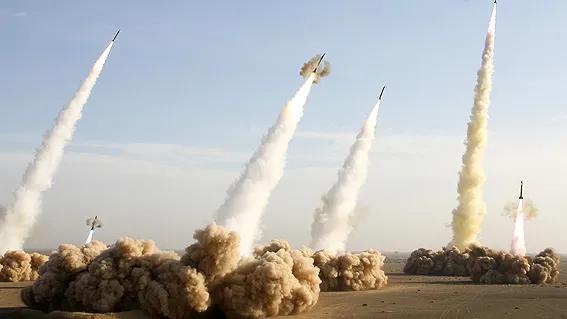
Iran Claims To Have Destroyed Multiple KC-135 Tankers At Prince Sultan Air Base
16 sources compared