Yemen28 March, 20262 min read
Houthis Pledge Direct Intervention If US‑Israel Alliance Targets Iran Or Uses Red Sea
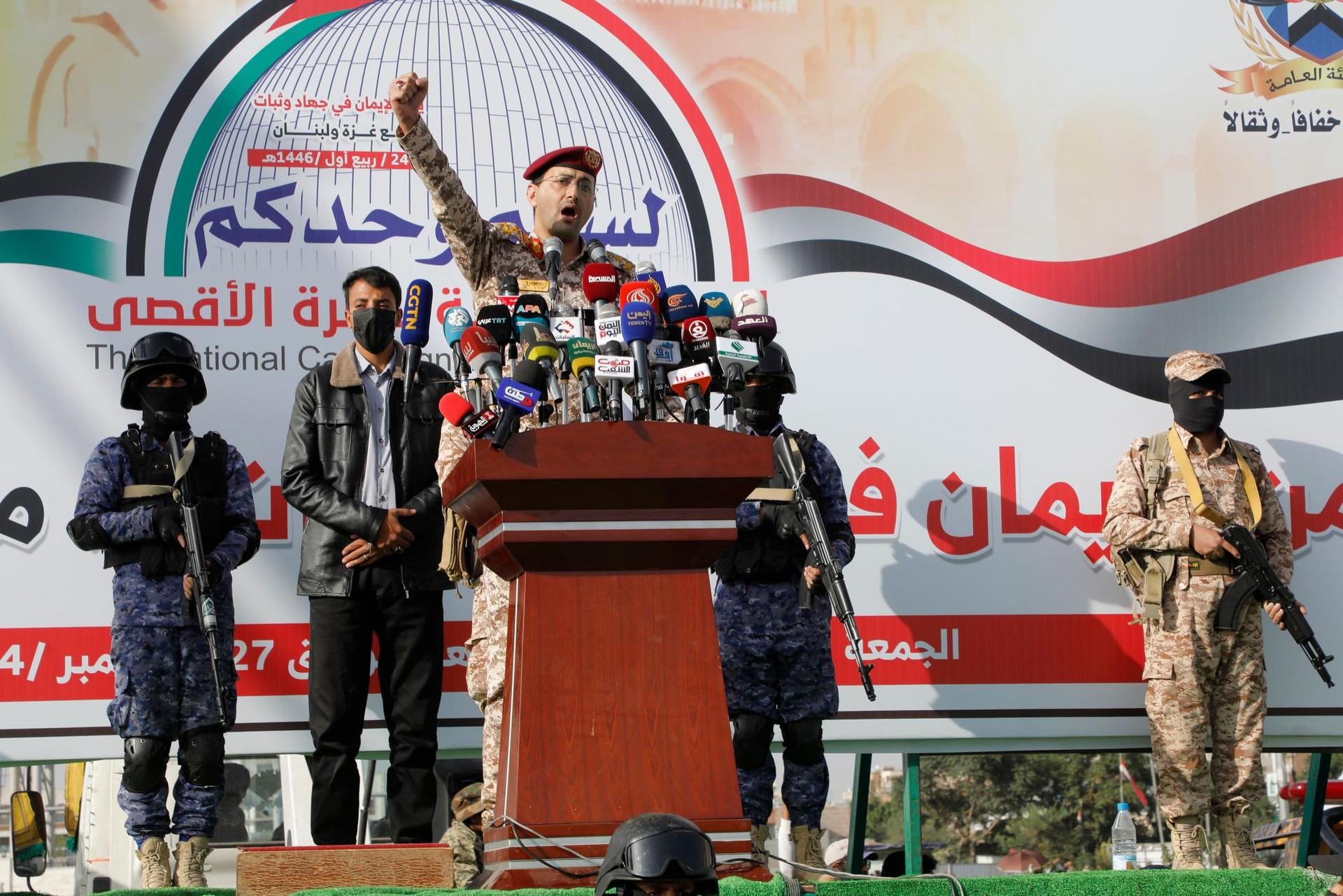
Houthis ready for direct military intervention if US-Israeli strikes Iran escalate. Spokesman Yahya Saree pledges readiness for direct involvement; warning of widening conflict.

Houthis pledge direct intervention
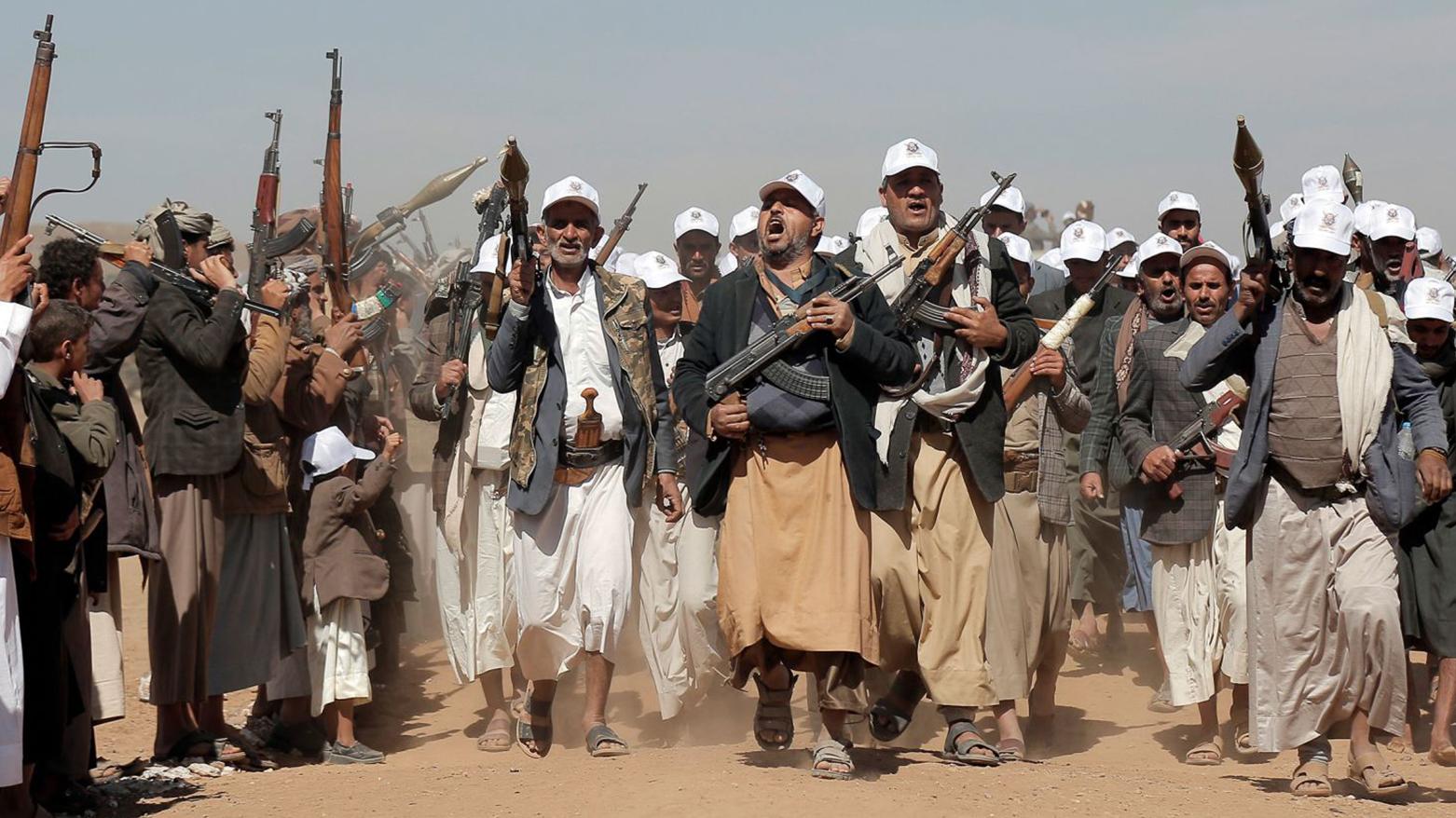
The single most important new development across the sources is the Houthis' explicit pledge to intervene directly in the US-Israel war against Iran, with trigger-based conditions for action. PressTV emphasizes that the decision aligns with a wider resistance axis and that the Houthis are prepared to act as the confrontation expands. Al-Jazeera frames the stance as a readiness to intervene, underscoring the direct linkage between regional actors and the expanding conflict.
“We affirm that our fingers are on the trigger.”
Türkiye Today highlights the Red Sea as a potential operational theatre and notes the stated conditions for direct intervention. The Hill consolidates these points into a structured set of thresholds, including the explicit claim of the right to direct military intervention under specified circumstances.
Concrete demands and triggers
The Houthis publish a five-point framework, including a diplomatic solution and cessation of aggression against Muslim countries, plus an end to Yemen’s siege. The Houthis’ fourth point explicitly anchors the pledge of direct intervention in defined circumstances. Al Jazeera notes the Houthis have laid out conditions that could prompt involvement.
i24NEWS reinforces the trigger-based framing with the line about action if attacks continue against Iran. Rudaw highlights the broader dual declaration of intervention readiness and the link to ongoing US-Israeli strikes.

Maritime flashpoint in Red Sea
Red Sea traffic becomes a central theater because of the Red Sea’s strategic role for global shipping. Bab el-Maneb/Bab al-Mandab is highlighted as a potential chokepoint that could be leveraged or threatened under escalation. The Houthis’ stance integrates maritime risk with land-based confrontation, widening the conflict’s geography.
“It is widely expected that the Houthis could attempt to shut down the Bab al-Mandab Strait if they enter the war on Iran’s side, adding pressure on global trade routes already strained by the effective closure of the Strait of Hormuz.”
International observers stress that any disruption to Red Sea routing would magnify economic and security implications regionally and globally. Non‑West Asian outlets echo the concern that shipping routes could become casualty of expansionary actions.
Iranian retaliation and broad escalation
Iran’s retaliation is framed as a major element of the current escalation, with Tehran claiming a broad and persistent response to U.S.-Israeli actions. Iran’s stated strategic aims include ending hostilities and asserting control over essential maritime corridors, complicating regional diplomacy. Western and non-Western outlets alike describe the widening cycle of attacks as a trigger for broader regional involvement, including the Houthis’ readiness to intervene.
The combination of U.S.-Israeli strikes and Iran’s counter-strikes increases the likelihood of an expanded, multi-front conflict in West Asia. The dynamic underscores why non-Western outlets stress the need for de-escalation and humanitarian considerations amid mounting military activity.
Diplomacy vs. escalation tradeoffs
International calls for Gaza ceasefire and humanitarian commitments are shaping diplomatic options amid the Houthis’ intervention rhetoric. Western and Western-alternative outlets depict ongoing diplomacy as a possible discontinuity to the momentum of military escalation. Regional outlets stress that non-neutral actors view the war as a geopolitical project with broader implications for the West Asia order.
“They stress the necessity of implementing the Gaza ceasefire agreement and fulfilling the humanitarian commitments associated with it.”
If diplomacy gains traction, it could constrain both the US-Israeli campaign and the Houthis’ willingness to escalate into direct intervention. Otherwise, the risk remains that humanitarian crises will compound as the conflict widens.