Gaza Genocide04 February, 20262 min read
Human Rights Watch Executive Director Blocks Report Calling Israel's Denial Of Palestinian Right Of Return A Crime Against Humanity, Two Researchers Resign
This article is an automated aggregation of coverage from news outlets. Our editorials offer in-depth analysis curated by the NewsCord team.
HRW executive director blocked publication of a vetted report on Palestinians' right of return Two researchers, including Israel-Palestine director Omar Shakir, resigned in protest over the blockage
8 outlets told this the same way.
Outlets did split on Thousands March in London Calling for Britain to Stop Arming Israel and Impose Sanctions →
The Guardian was read line by line by the Watchdog: 5.6. See the score →
HRW draft report controversy
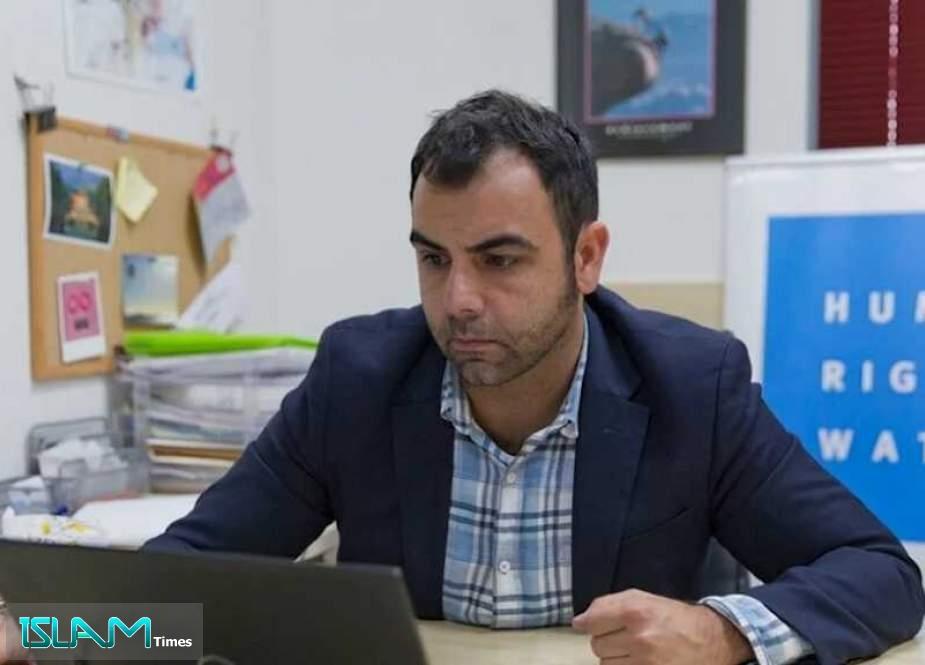
Human Rights Watch paused publication of a 33-page draft report that argued Israel's long-standing denial of Palestinians' right of return could, in some cases, amount to a crime against humanity. Two researchers resigned in protest. Omar Shakir, HRW's Israel-Palestine director, said the draft, originally slated for release, concluded Israel's denial of the right of return, the erasure of camps in Gaza and the West Bank, and attacks on UNRWA amounted to 'crimes against humanity' and a 'Nakba 2.0'.
“Shakir told Al Jazeera the draft concluded that Israel’s denial of Palestinian refugees’ right of return, the erasure and emptying of camps in Gaza and the West Bank, and attacks on UNRWA amounted to 'crimes against humanity' and constituted a 'Nakba 2.0.'”
He resigned after the new executive director, Philippe Bolopion, blocked the release. HRW said it paused the draft because an internal review found parts of the research and the factual basis for its legal conclusions needed strengthening. The organisation described the issues as complex and consequential.

Report scope and legal debate
The draft report’s legal framing and geographic scope drew internal scrutiny. Sources say the report referenced the ICC’s Rome Statute and covered refugees displaced in 1948 and 1967 across Gaza, the West Bank, Lebanon, Syria and Jordan. HRW staff and legal teams proposed narrowing and strengthening the evidence, including adding mental-health documentation and limiting claims to the most-affected communities.
Shakir and colleagues defended the legal approach and proposed targeted revisions. Senior managers and reviewers warned the novel legal argument could be misread or implicate broad segments of the diaspora.

HRW independence debate
The pause and resignations have produced internal protests and external debate about HRW's independence and credibility. Jewish Currents reports more than 200 staff signed a letter warning the shelving risks damage to HRW's credibility and could set a precedent for non-transparent shelving of work. The Guardian details protests inside and outside HRW and notes that former HRW director Kenneth Roth urged returning the draft for a stronger legal framing.
“The pause, overseen by new executive director Philippe Bolopion, provoked an internal outcry: more than 200 staff signed a December 1 letter saying the move risks damaging HRW’s credibility and could set a precedent for shelving work without transparency.”
HRW has commissioned an independent review to draw lessons from the episode. Shakir and assistant researcher Milena Ansari say the reopened review violated normal approval processes and reflected fear of political backlash rather than legal problems.
Debate over paused report
The debate over the paused report sits against a backdrop of catastrophic Israeli military operations in Gaza reported by other outlets. Drop Site News documents heavy Palestinian civilian casualties from Israeli strikes and severe obstacles to medical evacuations. Al Jazeera recalls Shakir's 2024 Gaza report, which alleged Israeli policies likely caused thousands of deaths and could amount to crimes against humanity or genocide.
Critics warn that shelving the draft could undermine accountability avenues tied to international law and the International Criminal Court. Supporters of Human Rights Watch's pause say the legal argument needs firmer evidentiary support before making such grave accusations.
