
Human Rights Watch Says UAE Trained Colombian Mercenaries for Sudan’s RSF
Key Takeaways
- Colombian mercenaries were recruited by a UAE-based firm to fight with Sudan's RSF.
- They were trained in the UAE and routed through UAE bases to Sudan.
- HRW cites UAE backing for RSF through training and transit of mercenaries.
UAE-linked pipeline
Human Rights Watch says Colombian mercenaries were recruited by a United Arab Emirates-based company and transited through Emirati military bases to support the Rapid Support Forces (RSF) in Sudan, with the HRW investigation conducted through interviews with Colombian mercenaries between March and September 2025 and analysis of social media posts identifying key locations and weapons.
“New reporting on Colombian mercenaries in Sudan’s civil war shows how outside forces have prolonged the conflict and eroded regional stability”
The BBC reports the UAE denied the claims, quoting the foreign ministry: "The UAE does not permit its territory to be used for the recruitment, training, financing or transit of foreign fighters to any conflict, including Sudan," and it also notes that HRW alleged training in UAE military facilities in Ghiyathi and Al Wathba before covert deployment to Sudan.
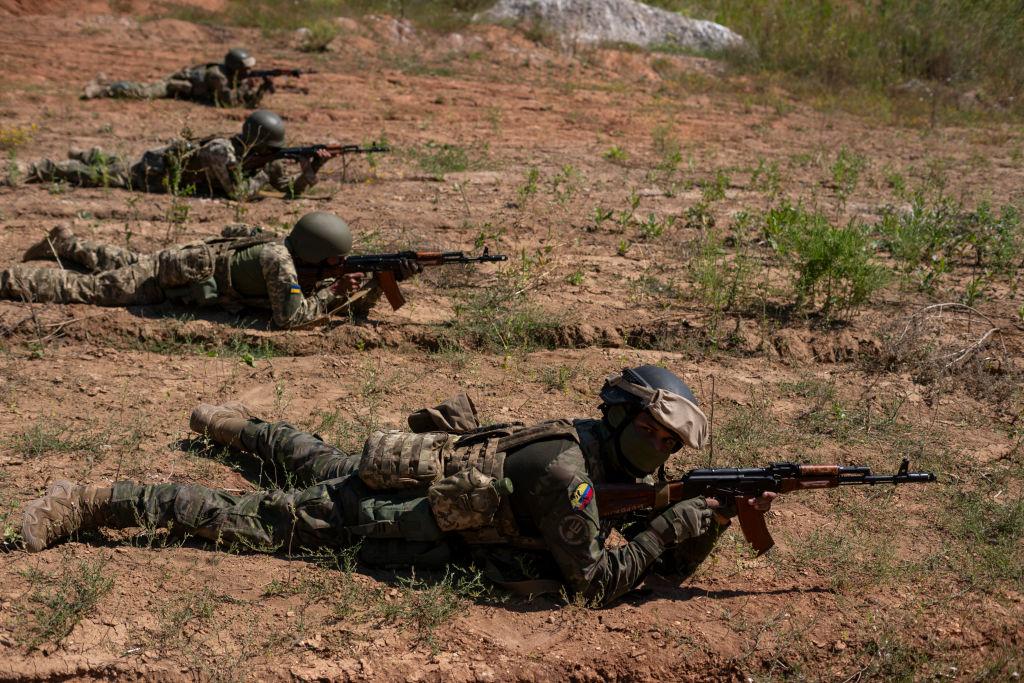
In parallel, Africa Defense Forum describes how a Libyan militia called the Subul al-Salam Battalion, associated with the Libyan National Army, facilitated the transfer of recruits, including Colombian mercenaries, weapons and fuel across the border to support the RSF.
That same Africa Defense Forum reporting says a United Nations Panel of Experts on Libya found that "Subul al-Salam was involved across multiple stages of the supply chain to the Rapid Support Forces," and it adds that RSF used a rear base in Libya controlled by Subul al-Salam to coordinate logistical operations from Libyan territory.
Voices and denials
The BBC includes a mercenary account of travel through Abu Dhabi, saying, "They didn't stamp our passports," and it adds that the mercenary described a bus waiting to take him to a military base.
Human Rights Watch’s Mausi Segun is quoted by the BBC saying, "The UAE does not permit its territory to be used for the recruitment, training, financing or transit of foreign fighters to any conflict, including Sudan," while the UAE foreign ministry told the BBC it had investigated allegations involving specific entities.

In a separate account, Agenzia Nova says HRW reported that recruits passed through two military bases before being sent to Sudan: the Ghiyathi base and a facility in Al Wathba, both in the emirate of Abu Dhabi.
Agenzia Nova also quotes HRW’s executive director Mauso Segun saying the recruitment adds to evidence that the United Arab Emirates provides military support to the RSF, and it frames the UAE denial through the claim that the UAE does not permit its territory to be used for recruitment, training, financing or transit of foreign fighters.
What’s at stake
The BBC links the alleged network to the wider war timeline, saying war broke out in Sudan on 15 April 2023 and that since then more than 150,000 people are believed to have died from the violence and more than 12.9 million have been displaced.
It also ties the HRW allegations to the RSF’s el-Fasher offensive, reporting that the United Nations Human Rights Office estimates that more than "6,000 were killed within the first three days of the RSF offensive" and that HRW says munitions belonging to the UAE armed forces were found after the capture of Colombian mercenaries inside Sudan.
Africa Defense Forum adds that in November 2025 the Sudanese Armed Forces (SAF) launched airstrikes targeting shipments of vehicles and foreign fighters in transit from Libya to Sudan, seeking to disrupt the RSF’s supply route.
Finally, Africa Defense Forum quotes Sudanese researcher and author Ismail Jibril Tisso warning that "Libya has shifted from being merely a neighboring state to becoming a central node in a transnational supply network," and it frames the challenge as whether states and the international community can contain these networks and restore regional security.
More on Sudan

Sudan Eid al-Adha Marked Amid Fighting Between Abdel Fattah al-Burhan and Mohamed Hamdan Daglo
10 sources compared
Three Red Cross Volunteers Die From Suspected Ebola in Democratic Republic of the Congo's Ituri
15 sources compared

US Health Authorities Temporarily Bar Green-Card Holders Returning From Ebola-Affected Congo, Uganda, South Sudan
27 sources compared

WHO Raises Ebola Risk to Very High in Democratic Republic of Congo, Cites 177 Deaths
11 sources compared