Full story
Cuban exodus reshapes South America
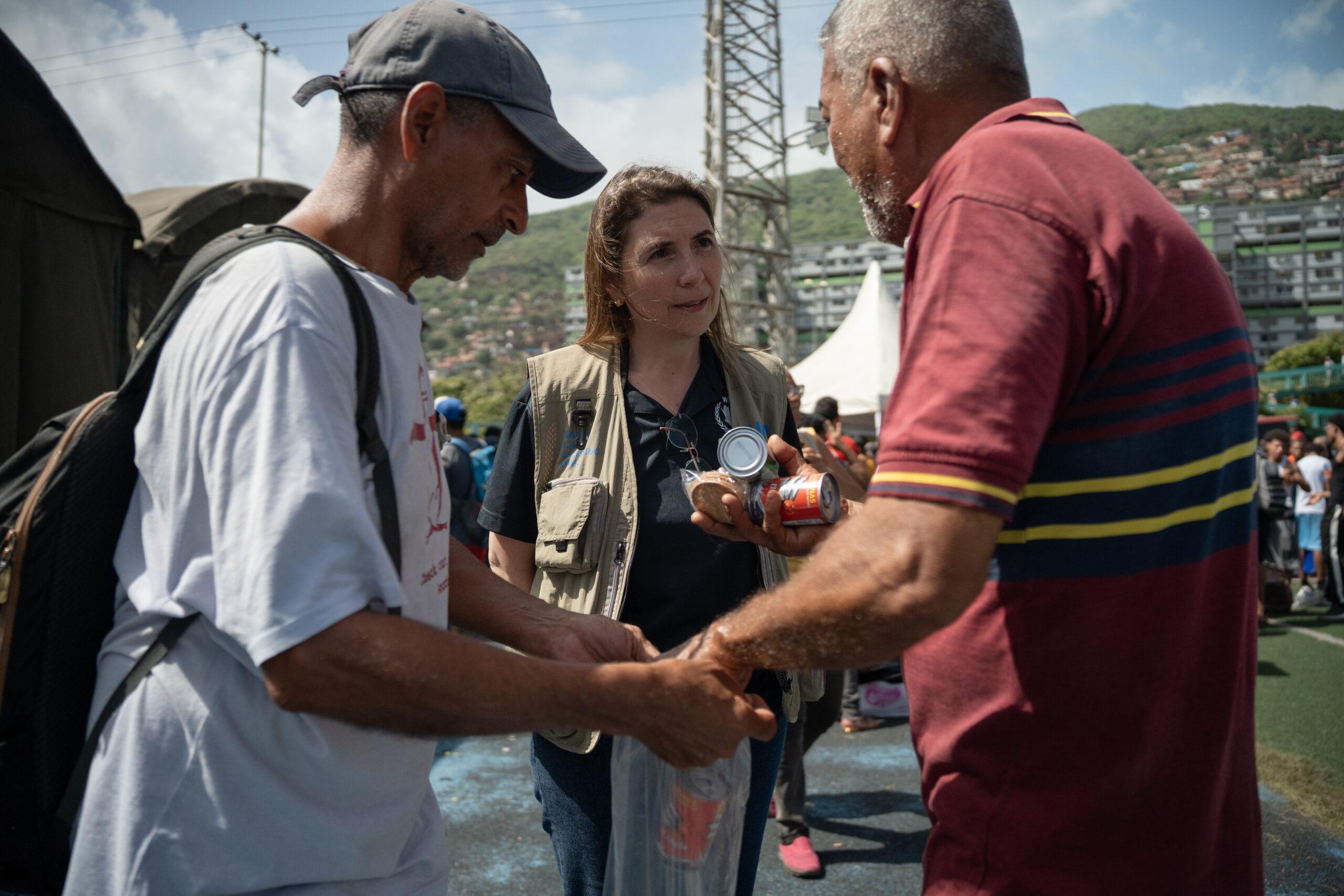
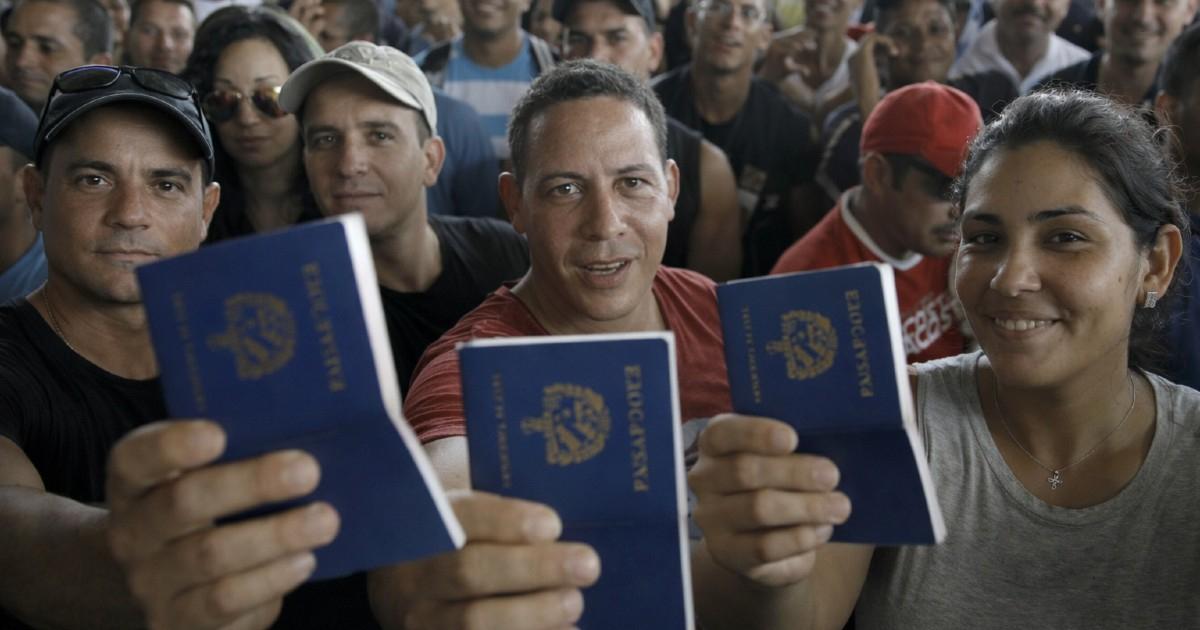
Hundreds of thousands of Cubans have left the island over the past two years, in what Le Devoir called "the largest migratory wave since the Cuban Revolution," as the economic situation faced its worst crisis in 30 years with runaway inflation, a collapse in agricultural production, and a tepid rebound in tourism.
“By Yare Grau Thursday, April 23, 2026 - 07:10 Share on: A pregnant Cuban woman residing in the United States, known on TikTok as Kety (@ketileyviscollazo), posted a video on Wednesday in which she answered firmly to a user who questioned her for not using her social media to ask for freedom for Cuba”
A Miami-based merchant quoted by Le Devoir said, "It was very difficult to meet basic needs; there was nothing," describing power outages as unbearable and food prices as rising while the peso devalued sharply since 2021.

Le Devoir reported that in two years at least 533,000 Cubans joined the northern neighbor, or 4.8 percent of the population (11.1 million inhabitants), and that over the past two years 36,000 Cubans sought asylum in Mexico, 22,000 arrived in Uruguay, and several hundred in Chile.
The same article said the exodus accelerated in late 2021 when Nicaragua, an ally of Cuba, no longer required visas for Cubans, and it described departures accelerating as the economy plunged after the resurgence of U.S. sanctions and the consequences of the pandemic.
In parallel, Periódico Cubano said that at the end of 2024 ONEI reported 9,748,007 inhabitants, 307,961 fewer than in 2023, while independent researchers estimated the country now has fewer than nine million inhabitants after emigration of more than one million people since 2021.
Brazil becomes a new hub
Multiple outlets describe Brazil as a growing destination for Cuban asylum and settlement, with Le Monde.fr reporting that the number of asylum applications filed by Cubans in Brazil has almost doubled between 2024 and 2025 and now surpasses those of Venezuelans.
Le Monde.fr placed the story in Curitiba, a city of 1.7 million people located in southern Brazil in the state of Paraná, where Rosa Maria Borrero, 62, and her 82-year-old mother arrived by bus on March 24 and sold everything they owned in Cuba to fund their journey.

Marcia Ponce, secretary-general of Caritas Paraná, told Le Monde.fr, "Here, migrants can work, have access to public health care and social assistance, even while awaiting recognition of their refugee status," as the shelter in Curitiba sought to regularize migrants’ status.
El Mundo described Curitiba as a "new Miami" for Cubans excluded from the U.S., quoting Jorge Ruiz saying, "There was no electricity; there wasn't enough food... you were lucky if you ate meat once a month."
El Mundo also said Brazil last year received a record 44,381 asylum applications from Cubans, more than any other country in Latin America and double the previous year, according to CEDA, a Washington-based non-profit organization that tracks Cuban migration.
Policy tightening and family pressure
As Brazil tightens transit rules, franceguyane.fr said starting Monday, August 26, people arriving at Brazilian airports without an entry visa and destined for other countries must continue their journey or return to their point of origin.
“Brasília, January 19”
The same outlet reported that the Ministry of Justice said the measure is legal and aims to combat human trafficking and to protect access to asylum for those who "actually demonstrate their interest in seeking international protection."
franceguyane.fr also cited a rise in asylum applications at Guarulhos International Airport (São Paulo) from 69 in 2013 to 4,239 in 2023 and 6,329 between January and August this year, while adding that despite 8,300 applications filed in Brazil since 2023, only 117 people requested to enroll in the National Migration Registry.
Beyond policy, CiberCuba described pressure inside the Cuban diaspora, quoting TikTok creator Kety (@ketileyviscollazo) replying to a follower named Maya: "everyone defends and helps their family as they see fit."
CiberCuba also quoted Kety saying, "I do not use my social media for content about freedom for Cuba, nor about politics; that is not my topic, it is not my content," framing how activism debates persist among Cubans abroad as migration diversifies across South America.