Ukraine War23 February, 20262 min read
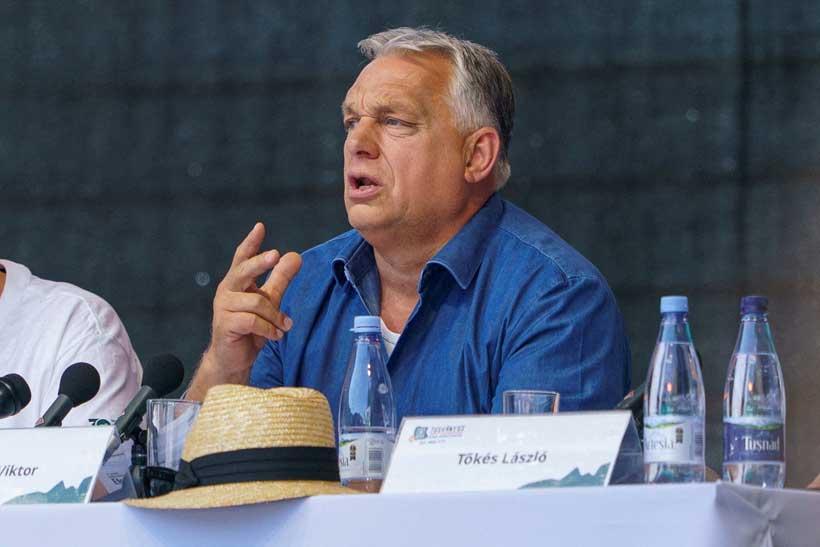
Hungarian Prime Minister Viktor Orban Vetoes EU Russia Sanctions, Freezes €90B Ukraine Aid
This article is an automated aggregation of coverage from news outlets. Our editorials offer in-depth analysis curated by the NewsCord team.
Hungary vetoed the EU's 20th sanctions package targeting Russia Hungary froze a proposed €90 billion EU loan package to Ukraine

10 outlets told this the same way.
Outlets did split on Russian Attack Kills At Least 33 On Two Buses In Kramatorsk →
Hungary blocks EU Russia sanctions
Hungarian Prime Minister Viktor Orbán and Foreign Minister Péter Szijjártó blocked the EU’s proposed 20th sanctions package on Russia.
“Hungarian Prime Minister Viktor Orbán announced the veto on X, linking it to the shutdown of the Druzhba oil pipeline and announcing countermeasures including halting diesel shipments to Ukraine, rejecting military aid to Ukraine, and blocking the sanctions package.”
They also stalled a planned €90 billion EU loan to Ukraine, conditioning approval on the reopening of the Druzhba oil pipeline after deliveries were interrupted on Jan. 27.

Budapest says Ukraine is responsible for the pipeline interruption, while Ukraine says the pipeline was damaged by Russian strikes.
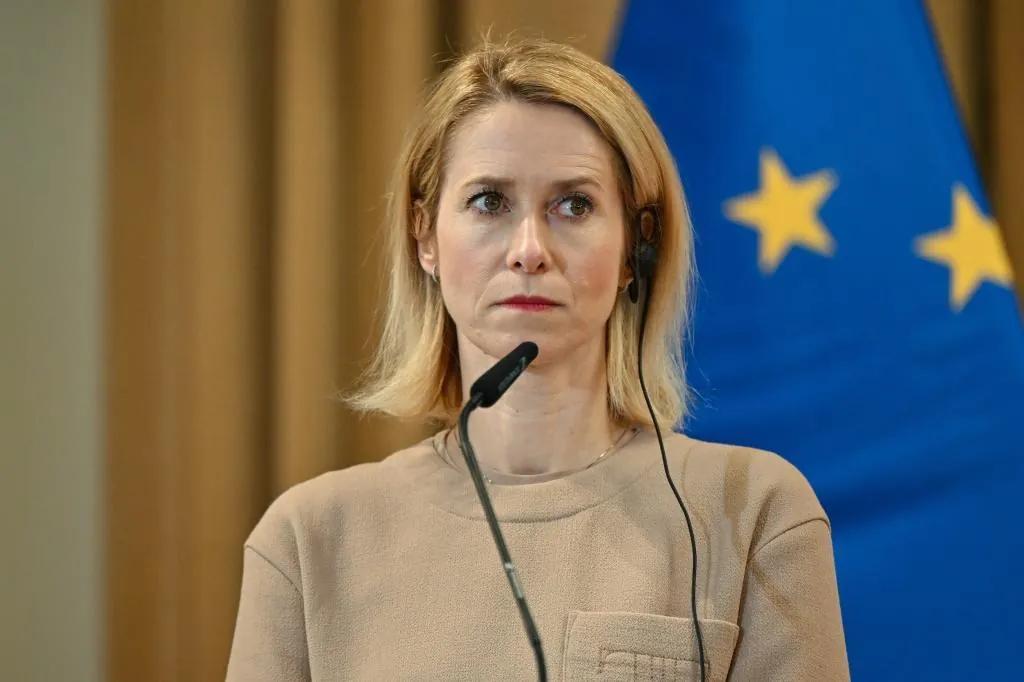
Kaja Kallas described the failure to adopt the package as a "setback".
Orbán announced countermeasures including halting diesel shipments to Ukraine and rejecting military aid.
The dispute has left the EU unable to move ahead with measures before the fourth anniversary of Russia’s full-scale invasion.
EU responses to Hungary move
EU leaders and foreign ministers expressed surprise and condemnation at Hungary’s move. EU foreign policy chief Kaja Kallas called the failure to adopt the package a 'setback' and said leaders would raise the issue in Kyiv. German Foreign Minister Johann Wadephul said he was surprised and urged persuasion.
Poland’s Radosław Sikorski called the stance 'blackmail'. Estonia’s foreign minister blamed Russia for the pipeline closure. German Chancellor Friedrich Merz denounced Russia’s actions as 'utter barbarity'.

Hungary pipeline dispute
Budapest’s public case links the veto to domestic politics and energy dependency. Orbán and Szijjártó have accused Ukraine of blocking deliveries and described the pipeline outage as politically exploited. Western outlets report this occurred amid an election cycle in Hungary and suggest Orbán has stepped up anti‑Ukraine rhetoric.
“The dispute is entangled with Hungarian domestic politics — Orbán, facing a difficult election, has launched an anti‑Ukraine campaign...”
Some sources stress Hungary and Slovakia’s reliance on the Soviet‑era Druzhba pipeline and Slovakia’s backing of Budapest’s demands for repairs. Multiple outlets note Orbán did not provide evidence for his claim that Ukraine caused the outage.
Veto, funding and sanctions
Observers flagged immediate policy consequences and proposed workarounds. Kaja Kallas suggested frozen Russian assets could be an alternative source of funding if the veto on the €90 billion package holds. EU leaders planned to raise the issue in Kyiv.
Sources report ongoing Russian missile and drone strikes across Ukraine causing civilian casualties. Discussions of other sanctions options, including targeting Russia-linked judges and prison officials and maritime bans, continued despite the Hungarian veto.
Media coverage comparison
Reporting shows clear differences of emphasis and tone across source types. Western mainstream outlets (aapnews, El Mundo) focus on the blocked sanctions' technical targets and EU leaders’ calls for tougher measures. West Asian and other sources (Türkiye Today, Oman Observer, WTVB) foreground the diplomatic standoff, the pipeline dispute, and immediate human costs.
“Hungary is blocking the EU’s proposed 20th sanctions package against Russia — which targets Moscow’s ‘shadow fleet’ and energy revenues...”
The Western tabloid (Daily Express US) highlights domestic political motives and electoral framing. All quoted sources report claims from the concerned parties (Hungary’s government, Kyiv, EU officials) rather than independently establishing the pipeline’s cause. Those conflicting narratives are now a matter the EU must reconcile.