Europe12 April, 20261 min read
Hungarians Vote in Pivotal Election Challenging Orbán's 16-Year Rule
Hungary votes in a pivotal parliamentary election challenging Viktor Orbán after 16 years. Opposition Péter Magyar leads the challenge against Orbán amid high turnout expectations.
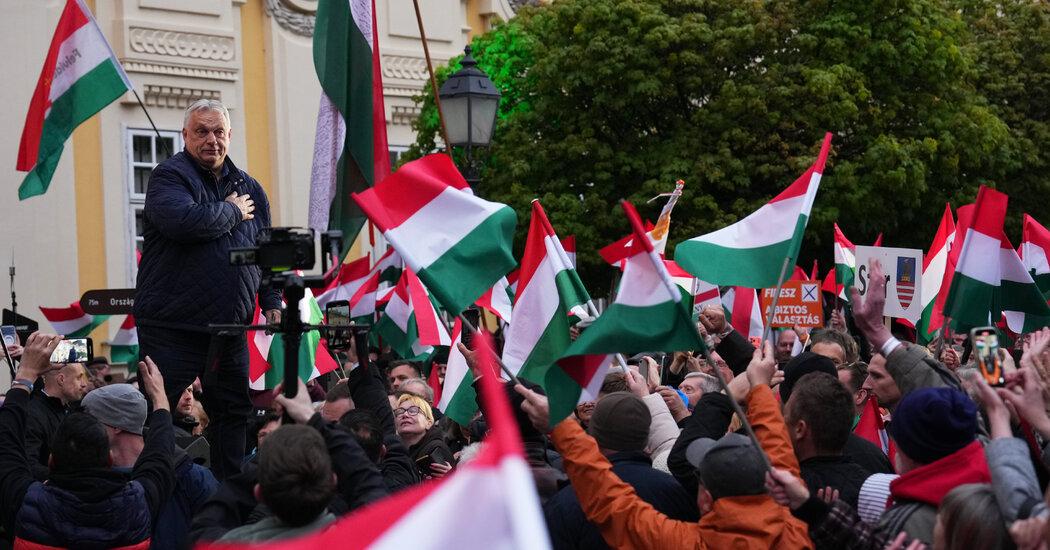
Hungary's Pivotal Vote
Hungary held a parliamentary election that could end Viktor Orbán's 16-year rule. Orbán faced an unprecedented challenge from Péter Magyar, a former Fidesz insider. The vote was framed as a choice between East and West.
Polls showed Tisza holding a double-digit lead over Fidesz. Nearly 38 percent of eligible voters had cast ballots five hours after polls opened.
Global Stakes and Campaign Tactics
The election attracted global attention with US and Russian leaders backing Orbán. Orbán's campaign centered on perceived external threats, particularly the war in Ukraine. He pledged not to give Ukraine our children, weapons or freedom.
The opposition focused on domestic issues like corruption and crumbling public services. Orbán's pitch included attacks on Zelensky and AI-generated videos.

Opposition Momentum and Challenges
Magyar's campaign tapped into discontent over corruption and falling living standards. He urged voters to report any irregularities, calling election fraud a very serious crime. The opposition's support skewed toward the urban and the young.
Watchdogs raised concerns that the contest may be free but not fair. Fears existed that broad powers under the state of emergency could be misused.
Orbán's Legacy and the Vote's Meaning
Orbán has spent more than a decade transforming Hungary into a petri dish for illiberalism. The vote will be closely watched by the Maga movement and the global far right. Magyar described the election as a referendum on Hungary’s place in the world.
The vote was a test of how deeply Orbán’s political system is embedded. Orbán has put loyalists in control of an estimated 80% of the country’s media.