
Hungary's Orban vetoes €90 billion Ukraine loan, blocking EU rescue package
Key Takeaways
- Orban's veto blocks the €90 billion Ukraine loan amid EU concessions.
- Hungary's approval is required to guarantee the loan via the EU budget.
- EU debates new tools to overcome national vetoes as Budapest resists.
Pipeline Veto Standoff
Hungary's Prime Minister Viktor Orban has vetoed a €90 billion EU loan vital for Ukraine's defense against Russian aggression.
“Hungary under Viktor Orbán — the Kremlin's last major ally in Brussels — digs in its veto of the €90 billion loan agreed by the European Union to keep Ukraine afloat in the face of Russia's war of aggression, despite the latest round of concessions announced this Tuesday by EU leaders”
Orban, described as Russian President Vladimir Putin's closest ally in the EU, has been blocking the loan approved in December by all 27 EU heads of state.

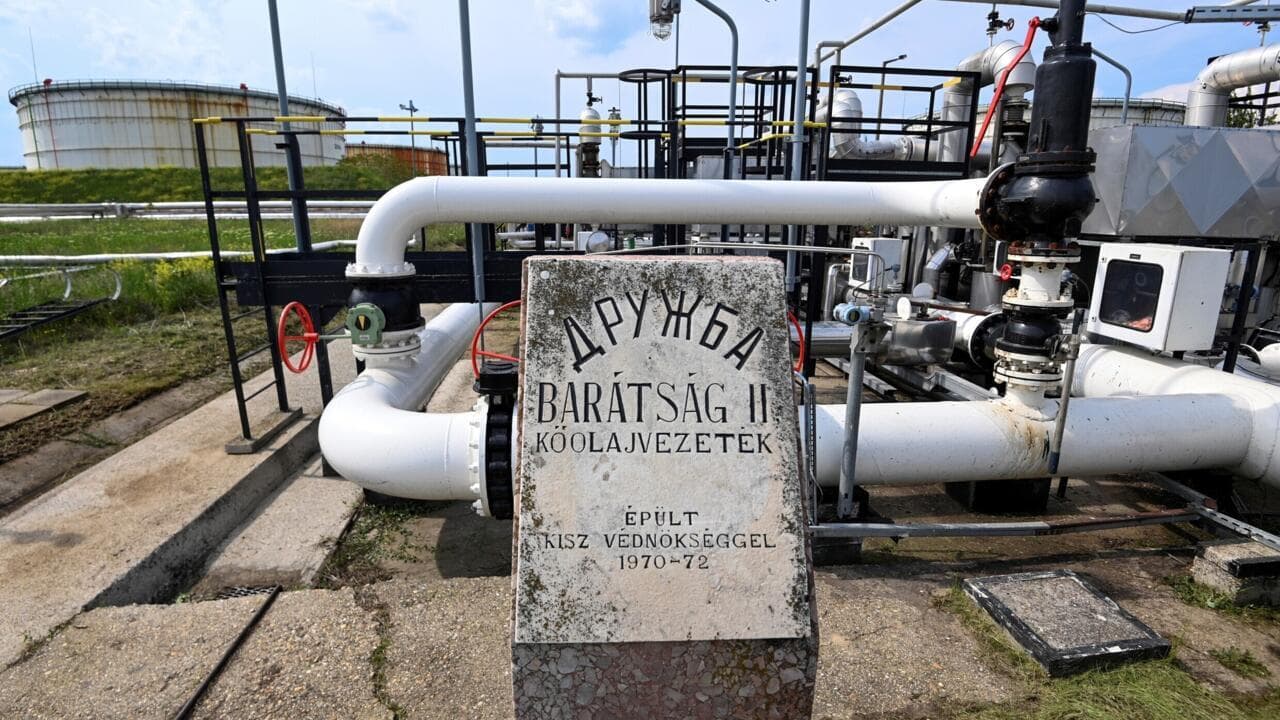
The veto is centered on the damaged Druzhba oil pipeline that supplies Russian oil to Hungary via Ukraine.
The pipeline was damaged by Russian strikes in January, leading to accusations from Hungary and Slovakia that Ukraine was deliberately delaying repairs.
Ukrainian President Volodymyr Zelensky identified this pipeline dispute as the 'main issue' at an upcoming EU summit.
Zelensky urged the European Union to find ways to resolve the impasse that has stalled critical funding for Ukraine's war effort.
EU Diplomatic Pressure
European Union institutions have mounted significant pressure on both Hungary and Ukraine to resolve the pipeline impasse.
EU Commission President Ursula von der Leyen and European Council President Antonio Costa offered technical support and funding for pipeline repairs.
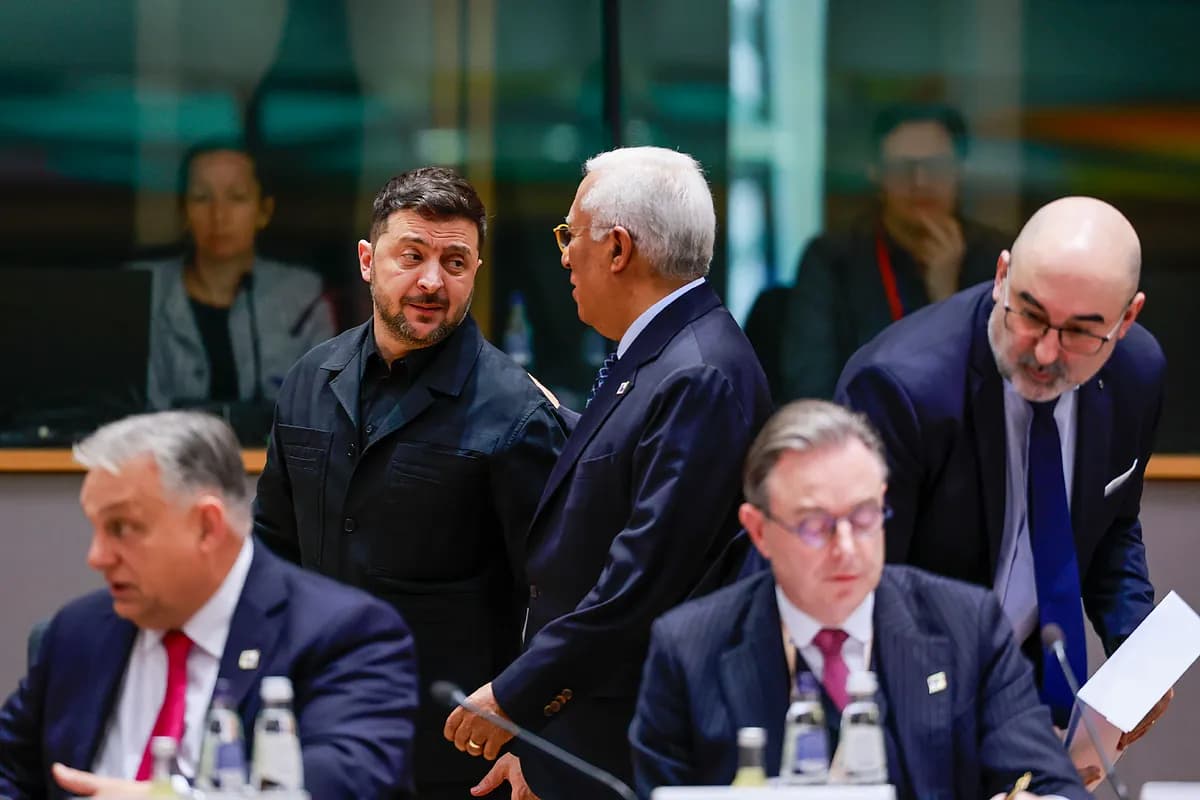
Costa delivered 'a very clear message' to Orban during a telephone conversation, demanding he 'respect the commitments' made at EU summits.
Zelensky initially called the EU's demands to repair the pipeline 'blackmail' and resisted European pressure.
The Ukrainian president accused European leaders of forcing him into a compromising position.
Mounting diplomatic pressure eventually led Zelensky to accept the EU's offer, acknowledging repairs would take about a month and a half.
Electoral Politics
The pipeline dispute has become deeply entangled with Hungarian domestic politics.
“Brussels has put forward numerous legislative proposals that would have to withstand a veto in order to overcome Hungary and Slovakia's repeated opposition”
Prime Minister Orban faces a closely contested legislative election on April 12 after sixteen years in power.
Hungarian officials have accused Ukraine and the EU of attempting to interfere in the upcoming elections.
Polls show opposition leader Péter Magyar as the favorite to defeat Orban's long-standing rule.
Hungarian Foreign Minister Peter Szijjártó denounced what he calls 'a political operation' on social media.
The Hungarian government maintains the pipeline damage is minimal and could be reopened immediately.
This has transformed what could have been a technical issue into a high-stakes confrontation affecting both Hungary's domestic political landscape and Europe's ability to support Ukraine.
EU Legal Maneuvers
Faced with Orban's intransigence, the European Union has employed innovative legal strategies to bypass Hungary's veto.
EU leaders invoked the principle of 'enhanced cooperation' to create a coalition supporting Ukraine while excluding Hungary, Slovakia, and the Czech Republic.
This unprecedented maneuver successfully secured the 90 billion euros for Ukraine in 2026 and 2027.
The EU has also invoked Article 122 of the treaties to indefinitely keep frozen Russian assets, another mechanism to circumvent unanimity requirements.
This represents a significant shift in EU decision-making, moving away from complete unanimity on critical issues.
Political analysts warn such approaches 'are not infallible. Neither legally nor politically,' creating potential risks for the bloc's unity.
Broader EU Tensions
The resolution reveals a surreal dynamic where the EU funds repair of a pipeline damaged by Russian attacks to secure funding for Ukraine's defense.
“for the European mafia that spends without counting”
Orban maintains uncompromising stance with simple ultimatum: 'No oil, no money,' refusing to budge despite EU concessions.
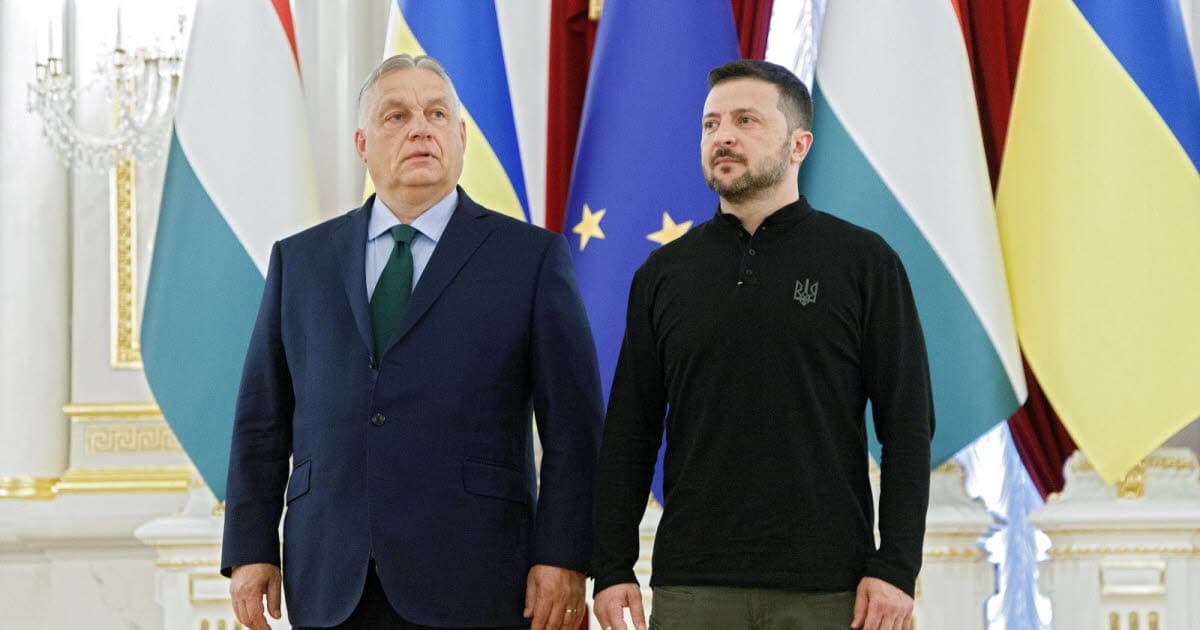
The situation exposes deeper tensions within the EU, particularly Hungary's pattern of obstructionism.
Data shows Hungary has exercised 19 vetoes since 2011, more than any other member state.
Poland ranks second with seven vetoes, while Slovakia has blocked two decisions.
This pattern has led to most EU statements on Ukraine being issued in the name of the 'EU-26', excluding Hungary.
While immediate diplomatic pressure forced concessions, underlying political and legal tensions continue to threaten EU cohesion.
More on Ukraine War
Russia Agrees to Stop Recruiting Kenyans to Fight in Ukraine
11 sources compared
Russia Advises Iran on Drone Tactics to Hit US and Gulf Targets
11 sources compared
US Eases Russian Oil Sanctions Despite Allies' Warnings It Could Boost Kremlin War Chest
10 sources compared
Ukraine Strikes Bryansk Microelectronics Plant With Storm Shadow Missiles, Killing Six
13 sources compared