
Iran Rejects IAEA Inspections Until Final U.S.-Iran Deal After Israel Airstrike Kills Two
Key Takeaways
- Iran rejects IAEA access to damaged nuclear sites until a final U.S.-Iran deal.
- IAEA chief says inspections will visit Iran sites under the interim U.S.-Iran deal.
- Sites were damaged by US-Israeli strikes, complicating access negotiations.
IAEA visits disputed
The U.N. nuclear chief said Iranian nuclear enrichment sites would be visited by his inspectors as part of the interim U.S.-Iran deal, but Iran said any such visit would come only after a final deal.
IAEA Director General Rafael Mariano Grossi said, "there has been a memorandum of understanding, signed by both presidents," and added, "Obviously, to do that, we will have to inspect," at the tsunami-hit Fukushima Daiichi nuclear power plant.
Iranian Deputy Foreign Minister Kazem Gharibabadi rejected that timeline, writing on X that "These issues will be reviewed and decided only within the framework of a final agreement" and after practical steps to end sanctions.
The dispute unfolded alongside fighting between Israel and Hezbollah, after Israel launched an airstrike that killed two people in southern Lebanon, the country's state-run news agency said.
The U.S. and Iran agreed to a 60-day period to iron out details through the memorandum of understanding, while private talks continued alongside public negotiation that raised risks of derailing the ceasefire in the region.
Iran denies access
Iran rejected IAEA inspections of nuclear facilities bombed by the United States and Israel before a final agreement, with a senior Iranian diplomat saying there was no plan to provide access to those sites.
Kazem Gharibabadi said on social media platform X, "will be reviewed and resolved solely within the framework of the final agreement" and as a result of the other party's practical action to terminate all sanctions.

Xinhua also reported that Gharibabadi said no meeting was held between Iran's negotiating team and IAEA Director General Rafael Grossi in Switzerland in recent days, despite Grossi's request.
The BBC described the same dispute after Vance said discussions with the IAEA could be happening "as soon as today," while Iran's foreign ministry told state media that Tehran had made "no new commitments" on nuclear inspections.
The BBC added that Iran's foreign ministry spokesman Esmaeil Baqaei said it had no plans to allow inspectors to access nuclear sites bombed by the US and Israel last year.
Deal stakes and next steps
The competing positions over inspections are playing out as the U.S. and Iran move through a 60-day roadmap, with mediators Qatar and Pakistan saying the US and Iran agreed to "a roadmap towards reaching a final deal within 60 days" after the first round of talks in Bürgenstock.
The BBC reported that the 60-day sanctions waiver issued by the US Treasury dismantles central pillars of Washington's long-running embargo, authorising the production, sale and delivery of Iranian crude and petrochemicals until 21 August.
In the same reporting, the BBC said Treasury Secretary Scott Bessent stated that in exchange for the 60-day waiver, Tehran committed to keeping the vital Strait of Hormuz open and allowing IAEA nuclear inspectors back into the country.
Iran, however, tied any inspection access to final sanctions relief, with PressTV quoting Kazem Gharibabadi saying there is "no plan" for access to the facilities that were attacked or to nuclear materials.
As talks continue, the BBC said negotiating groups are to be set up covering areas such as nuclear issues and sanctions, while Iran's Foreign Minister Seyed Abbas Araghchi said the first "real test" would be Lebanon.
More on Iran
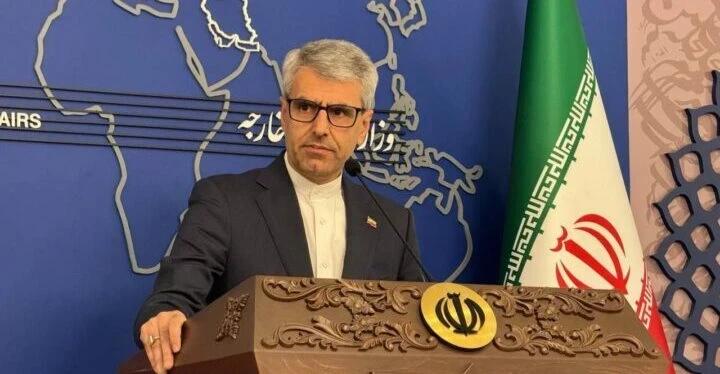
Iran Rejects IAEA Access to Damaged Nuclear Facilities, Deputy FM Kazem Gharibabadi Says
13 sources compared
United States And Iran Continue Nuclear Technical Talks In Switzerland, Seek Final Deal
14 sources compared

Iran Central Bank Governor Abdolnaser Hemmati Rejects Trump Claim Funds Must Buy US Goods
12 sources compared

US-Iran Agreement Restarts Strait of Hormuz Shipping, Kpler Shows 172 Vessels Crossing
13 sources compared