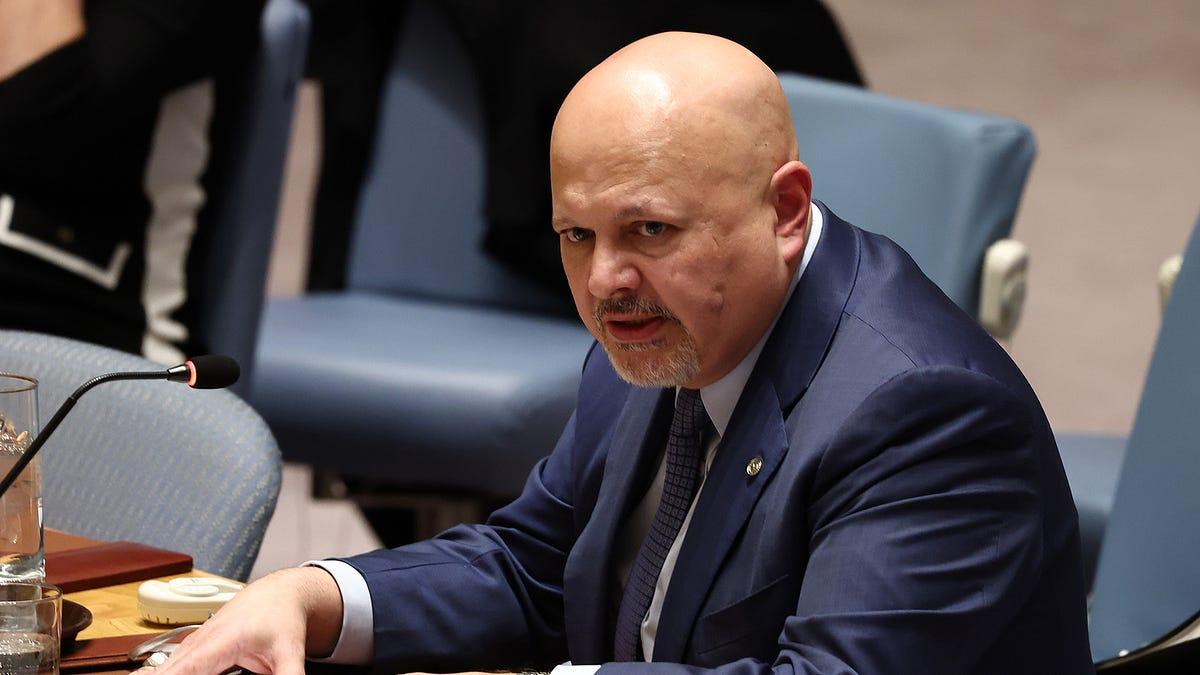
Full story
Khan removed by vote
The International Criminal Court’s Assembly of States Parties voted on Friday to remove chief prosecutor Karim Khan over sexual misconduct allegations, with 82 of the court’s 125 member states voting in favour of the dismissal.
The BBC said the oversight body found in June that Khan committed a "serious breach of duty and serious misconduct" by engaging in an improper sexual relationship with a junior ICC staff member and seeking to stop her pursuing her complaint.
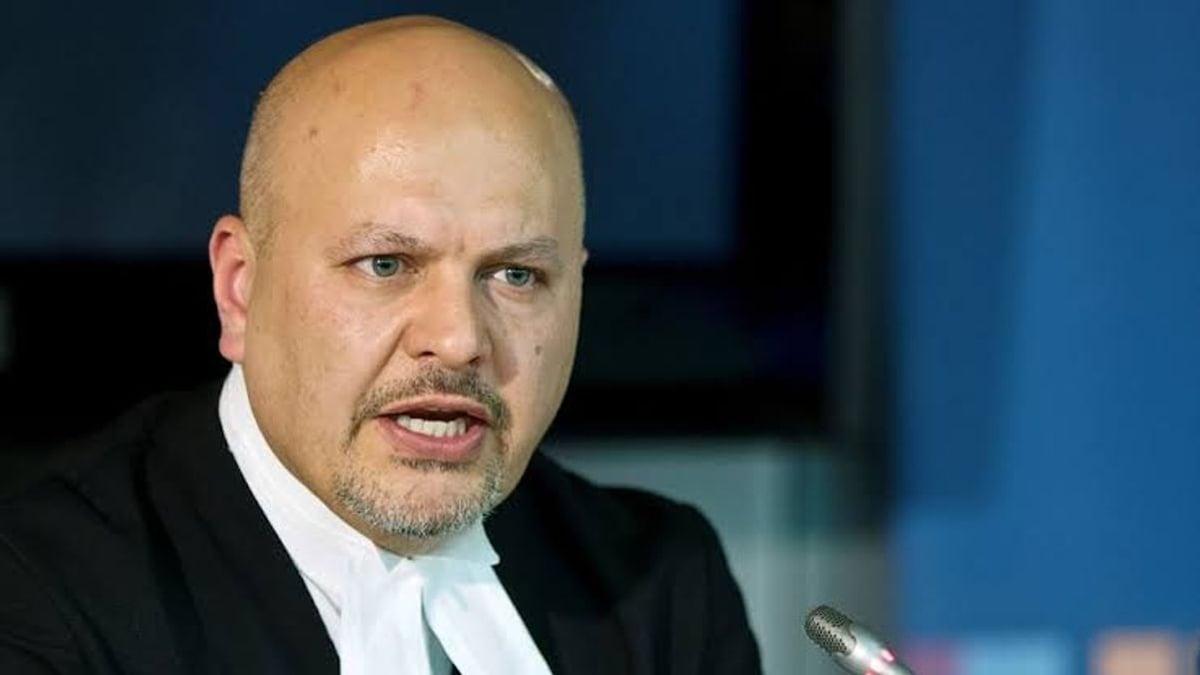
Khan, a British barrister, denied the allegations and his lawyer said he would challenge "the lawfulness and fairness of the decision through all available legal mechanisms" after the vote.
The ICC said in a statement after the vote that it "will continue to attach the utmost importance to maintaining a safe, inclusive, and respectful working environment for all personnel," while the process triggered an election for a new prosecutor expected no earlier than next year.
Debate over due process
Khan’s legal team and critics framed the removal as procedurally unfair, with Tayab Ali saying the decision had "grave implications beyond Mr Khan’s individual case" and that "The independence of the International Criminal Court depends upon its elected officials being protected".
Ali also argued the vote was "by an executive vote while under sanctions and while the Court is under immense political pressure," while the Al Jazeera account said the ICC had faced backlash from the United States and Israel after Khan issued arrest warrants for Benjamin Netanyahu and Yoav Gallant in 2024.
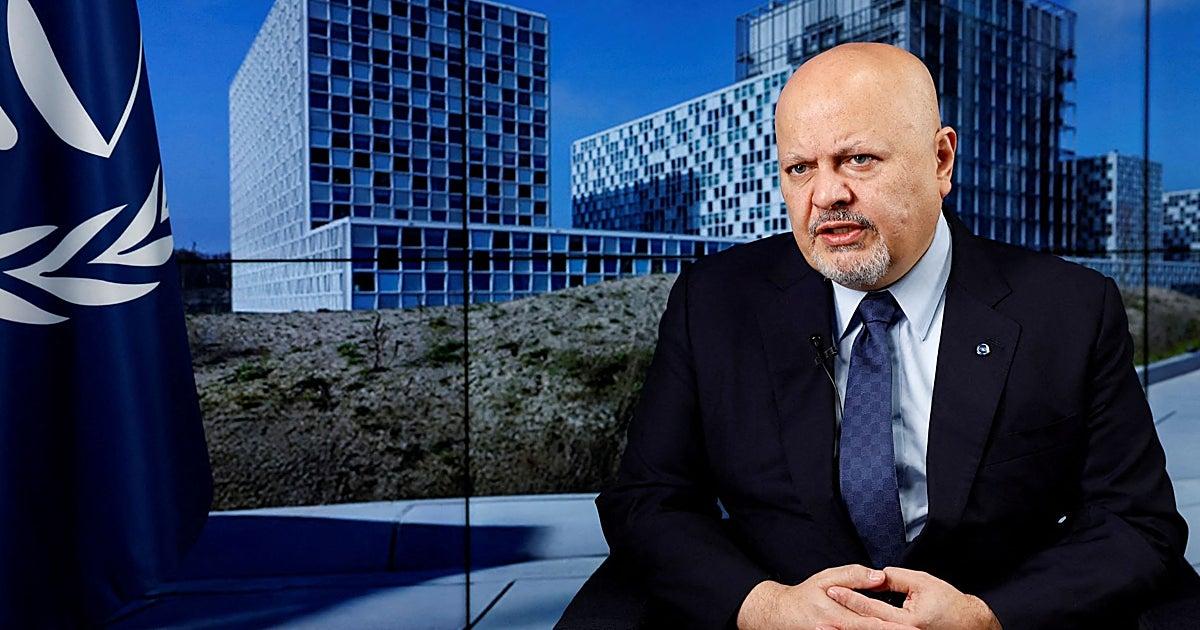
The BBC reported that Khan was unable to attend the vote held in the United Nations headquarters in New York because he is barred from entering the United States under sanctions imposed by the Trump administration.
In response to the dismissal, the ICC said it "took note" of the decision of the Special Session of the Assembly of States Parties, and the BBC said the entire process could reshape the world’s only permanent war-crimes tribunal.
Warrants and institutional risk
Despite Khan’s removal, the sources said the arrest warrants issued in 2024 for Israeli Prime Minister Benjamin Netanyahu and his then-Defence Minister Yoav Gallant would remain in place because only ICC judges have the authority to withdraw warrants.
“Member states of the International Criminal Court (ICC) voted on Friday to remove its prosecutor, Karim Khan, bringing to an end nearly two years of controversy over allegations of harassment and sexual misconduct involving the British official”
Al Jazeera quoted the Palestinian mission to the Hague decrying attempts to link the vote to the Situation in the State of Palestine investigation, saying the claims were "highly cynical".
The BBC warned that supporters fear the court will emerge weakened and less able to face "the gravest global threats," as the misconduct investigation intensified divisions inside the ICC.
The Guardian added that the warrants issued by judges are unaffected by Khan’s removal, while the court’s prosecution division was left "bruised by a protracted scandal and convoluted process" as it prepared to appoint a new prosecutor.