Sudan20 January, 20262 min read
ICC Finds Rapid Support Forces Committed War Crimes, Crimes Against Humanity in El Fasher, Darfur
This article is an automated aggregation of coverage from news outlets. Our editorials offer in-depth analysis curated by the NewsCord team.
Rapid Support Forces committed war crimes and crimes against humanity in El Fasher ICC presented video, audio, and satellite evidence to the UN Security Council

5 outlets told this the same way.
ICC report on Darfur
The International Criminal Court told the United Nations Security Council that its July–December 2025 assessment documents systematic and widespread war crimes and crimes against humanity by Sudan’s Rapid Support Forces (RSF) during the October siege of El Fasher in Darfur. The report, based on videos, images, partner material and open-source information, details patterns of arbitrary detention, mistreatment, and mass and summary killings. It also documents the targeting of non-Arab ethnic groups, and investigators are working to establish linkages and identify individual perpetrators.
“The ICC’s initial assessment is that crimes against humanity and war crimes were committed in El Fasher, and investigators are now intensively working to establish linkages and identify individual perpetrators.”
The ICC describes an unprecedented humanitarian crisis in the area, including famine, rising death rates, mass displacement and gender-based crimes. The court warns that ongoing impunity could fuel further violence.

ICC briefing on abuses
Deputy Prosecutor Nazhat Shameem Khan presented an ICC briefing to the UN Security Council outlining patterns of alleged abuse. The briefing highlighted arbitrary detention, mistreatment, executions targeting civilians from non-Arab tribes, and the systematic use of sexual violence, including rape, as a weapon of war.
The Eastleigh Voice cited graphic visual material and satellite imagery suggesting mass killings and attempts to conceal crimes in mass graves. Dailysabah explicitly linked the El Fasher evidence to similar atrocities seen previously in El Geneina in 2023.
El Fasher humanitarian crisis
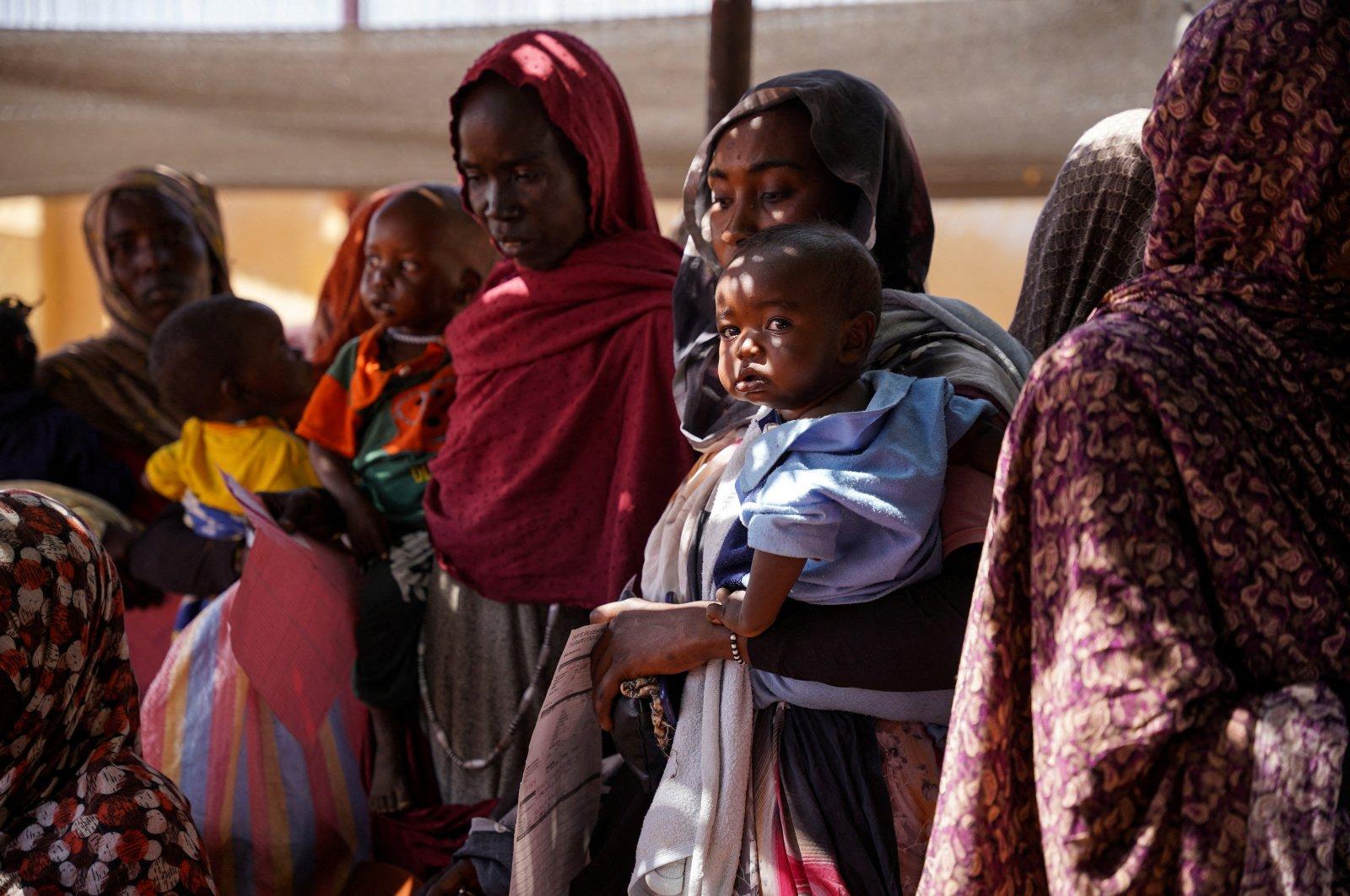
The ICC report frames the events in El Fasher as producing an unprecedented humanitarian emergency: famine conditions, rising mortality, mass displacement and widespread gender-based crimes. The Eastleigh Voice highlights those humanitarian consequences in its summary to the UN Security Council, warning that impunity could entrench further cycles of violence. Dailysabah echoes the severity while adding that the ICC's evidence collection faces access and witness-safety challenges, though it notes improved cooperation with some African states and Sudanese authorities.
“The report describes an unprecedented humanitarian crisis — including famine, rising deaths, mass displacement and gender‑based crimes — and warns that continued impunity could fuel further cycles of violence.”
ICC briefing and reactions
The ICC briefing referenced progress and milestones, with Daily Sabah noting the October 2025 conviction of Ali Mohammed Abdul Rahman as the first Security Council referral to result in a conviction and the first based on gender-based persecution. The briefing was delivered by video after the United States denied Deputy Prosecutor Nazhat Shameem Khan a visa to attend in person, a point Daily Sabah reports prompted criticism from many Council members. The Eastleigh Voice does not mention the visa issue but stresses the ICC's ongoing investigations and its focus on identifying individual perpetrators.
ICC findings and reactions
The ICC findings have significant implications, and both available sources call for accountability to prevent further atrocities. The Eastleigh Voice frames the findings as a warning about impunity and cycles of violence.
“The report describes an unprecedented humanitarian crisis — including famine, rising deaths, mass displacement and gender‑based crimes — and warns that continued impunity could fuel further cycles of violence.”
Daily Sabah emphasizes investigative priorities and international cooperation despite access obstacles, and notes political frictions such as the U.S. visa denial that may complicate engagement. A substantive Middle East Monitor article was not supplied, leaving its perspective missing and creating a coverage gap.