Gaza Genocide15 December, 20253 min read
ICC Rejects Israel’s Appeal, Upholds Arrest Warrant for Netanyahu in Gaza War Crimes Probe
This article is an automated aggregation of coverage from news outlets. Our editorials offer in-depth analysis curated by the NewsCord team.
ICC rejected Israel’s appeal; investigation into alleged genocide and war crimes in Gaza continues Arrest warrants for Benjamin Netanyahu and former defense minister Yoav Gallant remain in effect
8 outlets told this the same way.
Outlets did split on Thousands March in London Calling for Britain to Stop Arming Israel and Impose Sanctions →
ICC Gaza investigation ruling
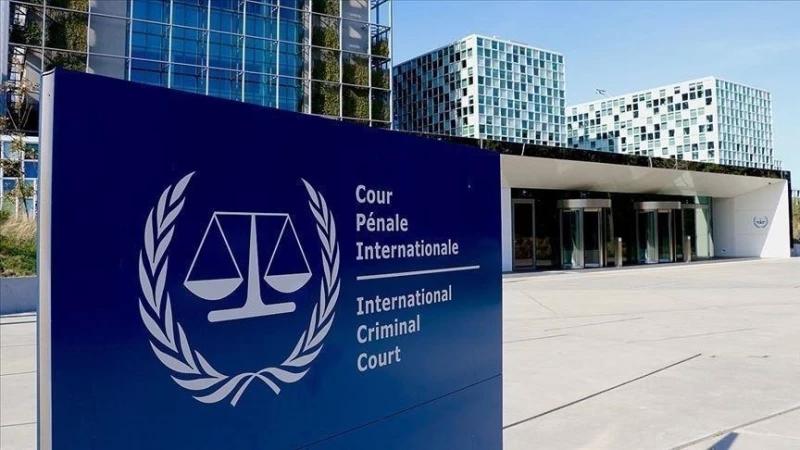
The International Criminal Court's appeals chamber rejected Israel's legal challenge to the court's Gaza war investigation and left in place arrest warrants issued in November 2024 for Prime Minister Benjamin Netanyahu and former Defense Minister Yoav Gallant.
“On Monday the International Criminal Court (ICC) rejected Israel’s legal challenge to its Gaza war investigation, leaving in place arrest warrants issued in November 2024 for Prime Minister Benjamin Netanyahu and former Defense Minister Yoav Gallant.”
Appeals judges refused to overturn a lower-court ruling that the prosecutor may examine alleged crimes that occurred after the Oct. 7, 2023 Hamas attack, meaning the Gaza probe will continue under the broader Palestine investigation opened in 2021.

The court said the post-Oct. 2023 events involve 'the same type of armed conflicts, concerning the same territories, with the same alleged parties' and therefore did not require a new notification under the Rome Statute.
ICC warrants against Israeli officials
The arrest warrants accuse Netanyahu and Gallant of serious offenses, including crimes against humanity and related war crimes, citing 'using starvation as a method of warfare, murder, persecution and intentionally directing attacks against civilians.' ICC prosecutor Karim Khan said the current probe continues a 2021 investigation that Israel declined to carry out itself. The appeals decision therefore maintains the legal basis for investigating top Israeli officials for actions alleged to have caused mass civilian suffering in Gaza.
Gaza casualties and displacement
Independent and regional outlets report the scale of killing in Gaza in stark terms.
“The article reports that since October 2023 the Israeli army has killed more than 70,400 Palestinians (saying most were women and children) and wounded 171,000 in a two‑year war that has devastated much of Gaza.”
Local health authorities and several agencies say Israeli strikes have killed nearly 70,000–70,700 Palestinians since Oct. 7, 2023, with many of the dead described as women and children.
Press TV reports that the Israeli army has killed more than 70,400 Palestinians, saying most were women and children, and wounded 171,000.
Anadolu Ajansı similarly reported that Israeli strikes have killed nearly 70,700 people, mostly women and children, and injured over 171,100.
Human Rights Watch has called Israel’s early 2025 forced displacement of about 32,000 Palestinians from West Bank refugee camps "war crimes, crimes against humanity and ethnic cleansing," according to The New Region.
Reactions to ICC ruling
Israel’s government has loudly rejected the ICC’s jurisdiction and called the appeals ruling politicized. Haaretz quotes Israel’s Foreign Ministry condemning the ruling as politicized and saying the court breached the Rome Statute’s notification requirement. Algemeiner reports U.S. and Israeli officials sharply condemned the ICC for 'equating Israel’s elected leaders with Hamas.'
Israeli officials have also taken practical steps; Haaretz notes Netanyahu altered a flight path to avoid the airspace of countries that might enforce the arrest warrant. Judges said the appeals ruling does not prevent states from raising admissibility issues in the future.

Reporting on rights concerns
Beyond the court ruling, sources differ on the wider context and the scale of rights concerns. The New Region reports rights groups and UN officials saying Israeli forces and settlers have increased raids, shootings, land seizures and movement restrictions in the occupied West Bank amid Israel's Gaza offensive, and notes the ICJ and Turkey have also issued arrest warrants against Netanyahu.
“Rights groups and UN officials say Israeli forces and settlers have increased raids, shootings, land seizures and movement restrictions in the occupied West Bank amid the Gaza offensive.”
Press TV cites some experts who accuse the Israeli government of committing genocide in Gaza. These divergent emphases show regional outlets documenting high civilian casualties and rights-group findings, while some Western local outlets report the legal fight and Israeli rebuttals without adopting the genocide term themselves.
