Full Analysis Summary
ICC sentence and reactions
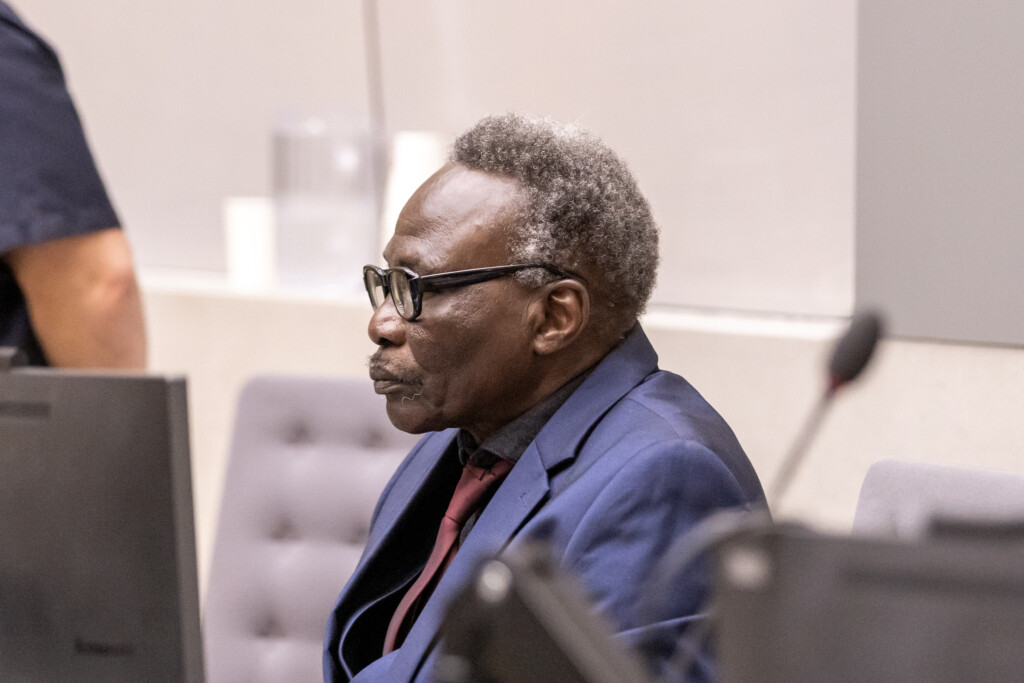
The International Criminal Court (ICC) sentenced former Darfur militia commander Ali Mohamed Ali Abdel Rahman, known as Ali Kushayb, to 20 years in prison on 9 December 2025 for war crimes and crimes against humanity.
The judgment prompted mixed reactions among survivors and activists.
News coverage called the sentence a landmark prosecution while immediately noting the widespread view among victims that the punishment was insufficient given the scale and brutality of the alleged crimes.
Media reporting emphasized both the legal milestone represented by an ICC conviction and the ambivalence among victims, who welcomed accountability yet remained dissatisfied with the length of the sentence and unmet demands for wider justice.
Coverage Differences
Tone and emphasis
Dabanga Radio TV Online (Other) foregrounds survivors’ mixed reactions and frames the sentence as both a landmark and insufficient, quoting survivors directly; allAfrica (African) echoes the same core facts but presents a briefer summary that highlights the 20‑year sentence and the mixed responses from victims on Radio Dabanga’s programme. Both report victims’ disappointment, but Dabanga gives more space to survivors’ voices and to questions about reparations and broader accountability.
Reactions to 20-year sentence
Survivors quoted in reporting expressed strong displeasure with the 20‑year term: some described it as an inadequate response to mass atrocities, while others demanded harsher punishment.
Refugee Samia Koko rejected the sentence as 'nothing,' saying it could embolden other suspects and calling for the death penalty; internally displaced women in Nyala said they felt a partial restoration of dignity but insisted on compensation, land and property restoration and pursuit of all perpetrators.
Activists such as Alawiya Mukhtar of the Darfur Women's Forum welcomed the trial as important for curbing impunity but stressed the need for transparent implementation and additional prosecutions, pointing out that abuses continued and in some cases intensified after 2023.
Coverage Differences
Quoted survivor emphasis vs. summary
Dabanga Radio TV Online (Other) includes direct quotes from survivors (for example Samia Koko’s rejection and calls for the death penalty) and details demands for reparations and land; allAfrica (African) reports those same reactions but more succinctly, attributing the mixed reactions to victims interviewed on Radio Dabanga’s programme and summarizing calls for further prosecutions without the same level of detailed survivor demands.
Accountability in Darfur
Both reports emphasize the broader implications for accountability in Darfur.
Activists describe the conviction as a step toward reducing impunity but warn it is far from comprehensive.
Dabanga highlights demands for further prosecutions and transparent implementation and notes crimes have continued and in some cases worsened since 2023.
allAfrica echoes this warning, linking the remarks to the Radio Dabanga programme and framing the conviction within the wider struggle for justice in Darfur.
Reporting also underscores victims’ ongoing unmet demands for full reparations.
This raises questions about whether ICC trials alone can provide substantive justice for survivors of mass atrocities.
Coverage Differences
Narrative scope and context
Dabanga Radio TV Online (Other) gives greater contextual detail about victims’ expectations (compensation, land restoration) and explicitly states concern that crimes have worsened since 2023, while allAfrica (African) provides a concise account of the sentence and the mixed reactions, referencing the Radio Dabanga programme without the same depth of reparations detail. This makes Dabanga’s piece more survivor-centric and substantive in describing unfulfilled demands, whereas allAfrica acts as a summarized news distribution of those findings.
Justice, accountability, and reparations
The reporting concludes with an open question about whether ICC convictions like Kushayb's can provide the substantive, reparative justice survivors seek.
Both sources report victims' partial relief at seeing a commander held to account, yet they also record demands for compensation, land and the pursuit of all perpetrators, which go beyond imprisonment and challenge the ICC's ability to meet victims' full expectations.
The two pieces therefore present a convergent narrative: recognition of a legal milestone coupled with persistent criticism that one trial and a 20-year sentence are not sufficient to address the scale of harm or deliver full restoration to victims.
Coverage Differences
Conclusion and emphasis on reparations
Dabanga Radio TV Online (Other) explicitly questions whether ICC trials can deliver genuine, substantive justice and stresses victims’ unfulfilled demands for full reparation; allAfrica (African) similarly notes that survivors welcomed the trial but found the sentence too light, though it is less explicit about the broader reparations question. The net effect is that Dabanga’s reporting carries a slightly more critical and victim-centered tone, while allAfrica offers a briefer report that still reflects the same concerns.