Crime09 January, 20263 min read
ICE Agent Jonathan Ross Shoots and Kills Renee Good in Minneapolis
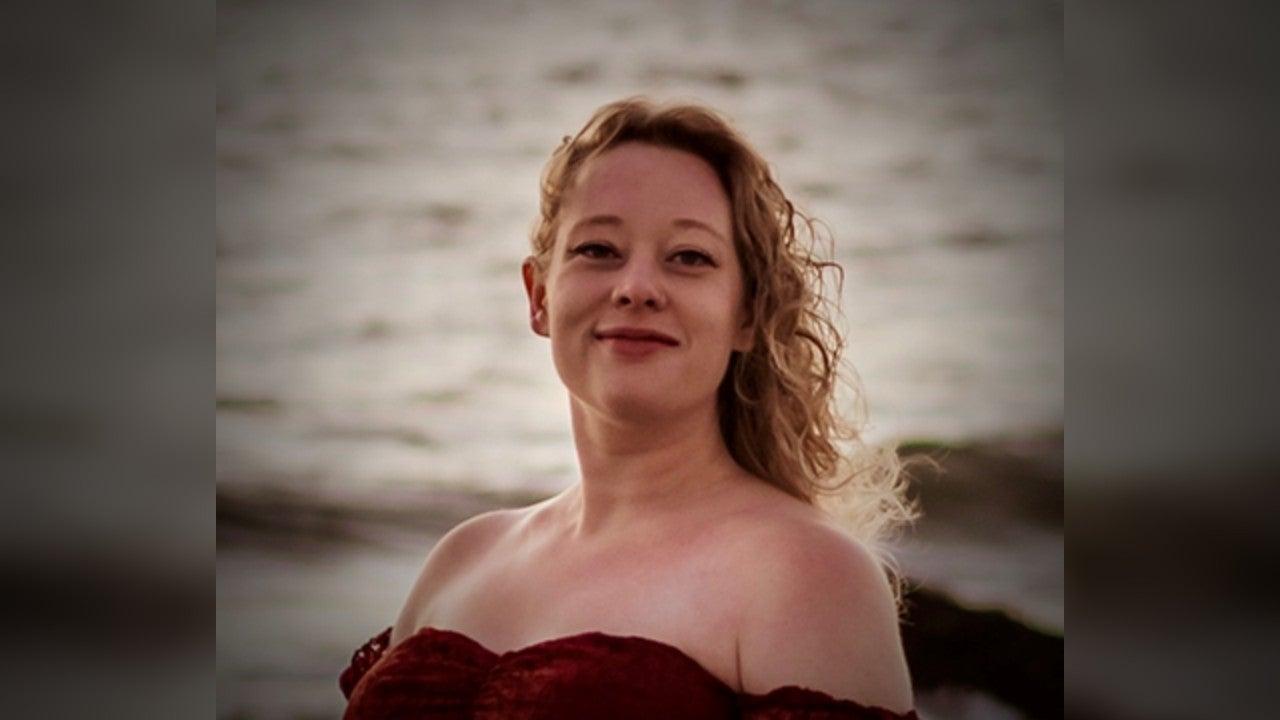
ICE agent Jonathan Ross fatally shot 37‑year‑old Renee Nicole Good in Minneapolis. Cellphone footage from the agent and bystanders shows the confrontation moments before the shooting.

51 outlets told this the same way.
Minneapolis ICE shooting
On Jan. 7 in south Minneapolis, an ICE Enforcement and Removal Operations (ERO) Special Response Team officer identified in multiple media reports as Jonathan Ross fatally shot 37-year-old Renee Nicole Good near East 34th Street and Portland Avenue during a federal immigration enforcement operation.
“An ICE Enforcement and Removal Operations (ERO) Special Response Team officer, reported by CBS and the Department of Homeland Security as Jonathan Ross, fatally shot 37‑year‑old Renee Nicole Good Wednesday morning at East 34th Street and Portland Avenue in south Minneapolis.”
Local and national outlets report Good was seated in an SUV and that she was a poet and mother of three who had recently moved to Minneapolis.
The shooting occurred a few blocks from the site where George Floyd was killed in 2020.
Authorities and federal spokespeople described the encounter as involving an alleged vehicle threat and said the matter is under investigation.
Public reaction was immediate and intense, with protests, vigils and calls for accountability from city leaders and civil rights groups.
Video and timeline analysis
Multiple videos have been released or reported to investigators and the public. Some cellphone footage, published by outlets as if recorded from an agent's perspective, shows an agent approaching Good's parked SUV. That footage also captures brief exchanges with Good and her wife and then rapid gunfire as the vehicle moves and later crashes.
Reported clips capture Good saying 'That's fine, dude, I'm not mad at you' and officers ordering occupants out. One officer is shown firing three shots - one through the windshield and two through the driver-side window - as the SUV pulled away.

Visual analyses and reconstructed timelines published by major outlets note fractions-of-a-second timing and show the vehicle's wheels and motion relative to the agent. Those details are now central to questions about whether the vehicle presented a lethal threat.
Federal-state probe dispute
Federal and state investigative roles and official statements quickly became a source of contention. The FBI took the lead in the probe, and federal officials, including DHS leaders and the White House, defended the agent's actions, described the vehicle as 'weaponized' and characterized the shooting as self-defense or an attempted ramming. Minnesota leaders, Hennepin County officials and local prosecutors pressed for transparency, expressed concern that an exclusively federal probe could limit state access to evidence, and some local officials publicly rejected federal characterizations while demanding an independent review.
“An ICE officer identified by the Department of Homeland Security as Jonathan Ross fatally shot Renee Nicole Good in Minneapolis on Jan. 7, 2026; DHS says the shooting is under investigation.”
Background on Jonathan Ross
Reports identify Jonathan Ross as an Iraq War veteran. They say he has worked in federal law enforcement for many years and has been with ICE since about 2015, though some reports give an earlier start date. Multiple outlets connect him to a June incident in Bloomington where he broke a vehicle window and reached into a fleeing car.
In that incident his arm became trapped and was dragged, leaving him with serious cuts that required stitches. The driver involved was later convicted of assaulting a federal officer.

Aftermath reactions and coverage
The aftermath has polarized public and political reaction. Federal officials and some national conservative figures defended the agent and framed the shooting as self-defense or an attempted attack, while local leaders, civil-rights groups, and Good's family described the shooting as unjustified and called for accountability; Minneapolis Mayor Jacob Frey and some prosecutors publicly disputed the federal account.
“Renee Nicole Macklin Good, 37, a U.S. citizen and mother of three ... was shot and killed Wednesday by a U.S. Immigration and Customs Enforcement officer while seated in her vehicle.”
Coverage also diverges on protest reporting and tone: some outlets note largely peaceful vigils and mass demonstrations (Time, ABC7 Los Angeles, PBS), while others (Daily Mail) stress property damage and arrests. Fundraising for Good's family and widespread national solidarity actions were widely reported.
