
ICE Deploys Agents to Airports Nationwide Under Tom Homan Amid DHS Shutdown
Key Takeaways
- Trump vows to deploy ICE to airports to aid TSA during DHS shutdown.
- Shutdown leaves TSA unpaid, prompting staffing shortages and long security wait times.
- ICE deployment directed by border czar Tom Homan to oversee effort starting Monday.
Shutdown Threat Escalation
President Donald Trump has threatened to deploy Immigration and Customs Enforcement (ICE) agents to U.S. airports starting Monday, March 23, 2026, unless congressional Democrats immediately agree to fund the Department of Homeland Security (DHS).
The announcement came amid a partial government shutdown that has entered its 36th day, causing significant disruptions at airports nationwide.
Trump made the threat through social media posts on Truth Social, warning that if Democrats didn't 'immediately sign an agreement' to fund DHS, he would move 'brilliant and patriotic ICE Agents to the Airports' where they would implement 'Security like no one has ever seen before.'
The White House later confirmed the deployment would proceed, with border czar Tom Homan overseeing the nationwide operation.
This move represents a dramatic escalation in the ongoing budget battle between the Trump administration and congressional Democrats over immigration enforcement policies.
Dual Mission Deployment
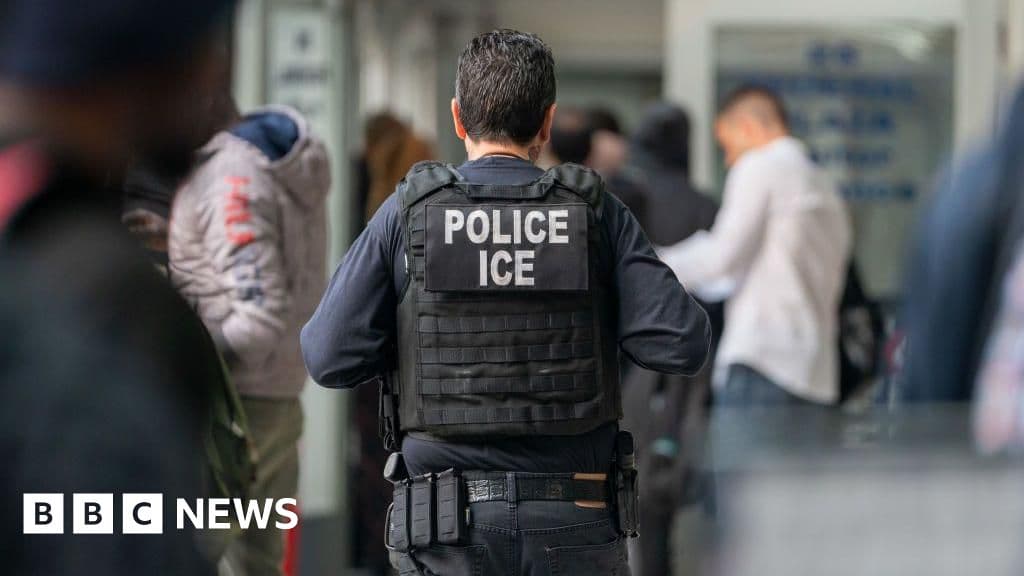
The deployment plan involves ICE agents assisting with airport security operations while simultaneously carrying out immigration enforcement duties.
Tom Homan, Trump's 'border czar' and former acting ICE director, confirmed that ICE personnel would help 'move those lines along' at airports with the longest wait times, such as Houston, Atlanta, and New Orleans.

Homan indicated that ICE agents would not operate X-ray machines but could monitor exit lanes and check passenger identification, freeing up TSA officers to focus on screening.
However, Trump also emphasized that the ICE agents would conduct 'the immediate arrest of all Illegal Immigrants' found at airports, with special emphasis on those from Somalia, whom Trump accused of 'completely destroy[ing]' Minnesota.
This dual role of security assistance and immigration enforcement has raised concerns about blurring the lines between transportation safety and interior immigration enforcement.
Political Backlash
The deployment has sparked immediate political backlash and legal concerns from Democrats and civil rights advocates.
“In a second post on social media, the New York magnate said that he has already instructed ICE to appear at airports next Monday”
House Democratic leader Hakeem Jeffries of New York criticized the plan as 'the last thing the American people need,' warning that untrained ICE agents could 'brutalize or kill' travelers, referencing the deaths of two American citizens during ICE operations in Minneapolis in January.
Senate Democratic leader Chuck Schumer argued that the move would create a 'stressful' environment for travelers and urged Republicans to support a standalone funding bill for TSA.
Civil rights groups have raised concerns about racial profiling, particularly given Trump's specific focus on Somali immigrants.
The ACLU has filed suit citing evidence that ICE agents in Minnesota arrested residents 'solely because the agents perceived them to be Somali or Latino,' while federal judges have previously ruled that ICE illegally detained people based on racial profiling during operations in the state.
Constitutional questions have also been raised by lawmakers about using ICE as a general policing force.
Operational Uncertainty
The operational details of ICE's airport deployment remain unclear, with officials still determining how many agents will be sent and to which airports.
Homan indicated that ICE agents would be deployed first to airports with the longest wait times, including where security lines stretch for hours.
Unlike TSA officers, who are specifically trained to screen passengers and baggage for hazardous items and explosives, ICE agents are trained primarily for investigations and immigration enforcement.
This has led to concerns about whether ICE agents have the proper training and 'emotional intelligence' to handle airport security effectively.
Transportation Secretary Sean Duffy suggested that ICE agents could operate X-ray machines since they are 'under Homeland Security with TSA,' but Homan contradicted this, stating that ICE agents would not be looking at X-ray machines.
The deployment comes as TSA has reported that more than 360 officers have resigned since the shutdown began in mid-February, with callout rates spiking above 50 percent in Houston and 30 percent in New Orleans and Atlanta earlier in the week.
Airport Crisis Deepens
The partial DHS shutdown, which began on February 14, 2026, has severely impacted airport operations nationwide, with delays stretching up to three hours at some major airports.
Hundreds of thousands of homeland security workers, including from TSA, U.S. Secret Service and Coast Guard, have worked without pay since Congress failed to renew DHS funding last month.
This financial hardship has led to widespread absences and resignations, with DHS reporting that more than 360 TSA officers have resigned since the shutdown began.
Some airports, such as Philadelphia International Airport, have already closed terminal checkpoints due to staffing problems, and senior TSA officials warned that smaller airports may be forced to temporarily close if the funding lapse persists.
The situation has forced many TSA officers to take second jobs or seek other sources of income, while union leaders report that some officers are receiving eviction notices and struggling to pay utility bills.
The travel disruptions have intensified with the arrival of spring break travelers, creating a 'logistical nightmare' for millions of passengers.
Funding Disparity
The funding standoff has created a stark contrast between the operational status of TSA and ICE, with the latter continuing to function due to its secured funding from the Trump administration's 2025 budget and tax-cut law.
While TSA agents face financial hardship and staffing shortages, ICE has received approximately $75 billion in additional funding, allowing it to continue operating freely during the shutdown.
This disparity has become a central point of contention in the political battle, with Democrats demanding changes to ICE practices as a condition for funding DHS.
The standoff originated after two American citizens, Alex Pretti and Renee Good, were killed during ICE operations in Minneapolis in January, prompting Democrats to demand stricter oversight including warrants for home entries, body camera requirements, and bans on mask usage.
Meanwhile, Senate Minority Leader Chuck Schumer has pushed for a standalone measure to fund TSA specifically, an effort Republicans have blocked.
In a separate development, Elon Musk offered on Saturday to personally cover the wages of TSA personnel during the impasse, though no formal arrangement had been confirmed by the time of the ICE deployment announcement.
More on USA
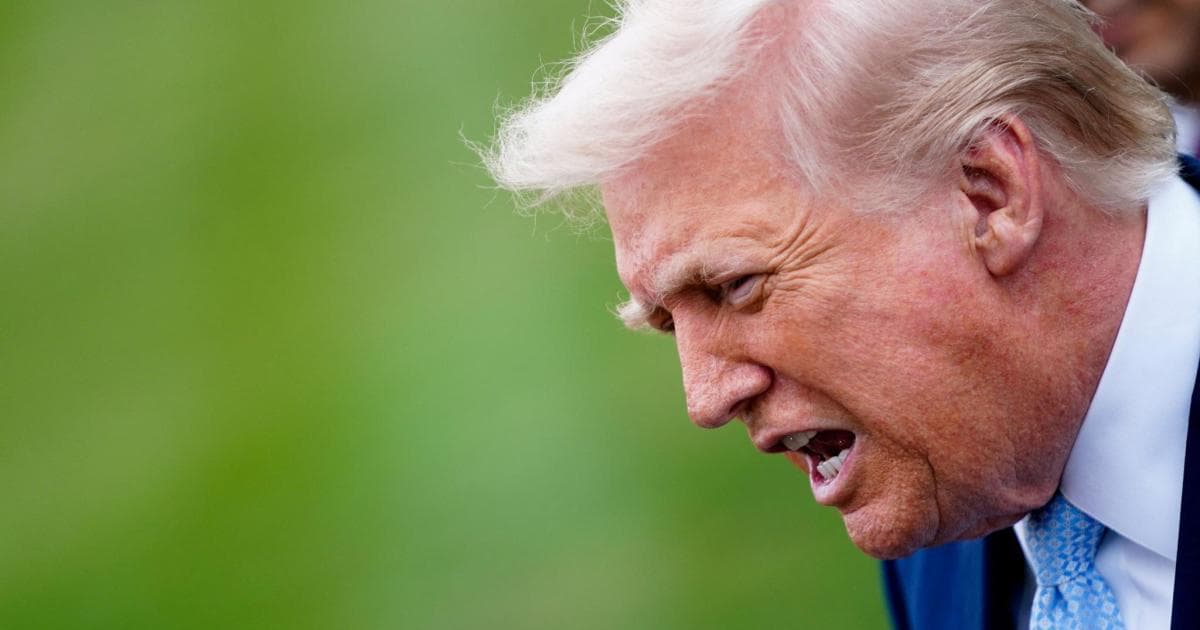
Trump Deploys ICE to Airports to Aid TSA During DHS Shutdown
38 sources compared

Floor collapses at Tamworth wedding venue, injuring six
21 sources compared

Supreme Court to Decide Meaning of Election Day for Late Ballots
10 sources compared

Riverside County Sheriff Chad Bianco Seizes 500,000 Ballots as He Runs for California Governor
10 sources compared