Full Analysis Summary
ICE detention expansion
U.S. federal immigration authorities have quietly purchased and leased large commercial warehouses as part of a reported $45 billion expansion of ICE detention capacity, prompting surprise in multiple communities.
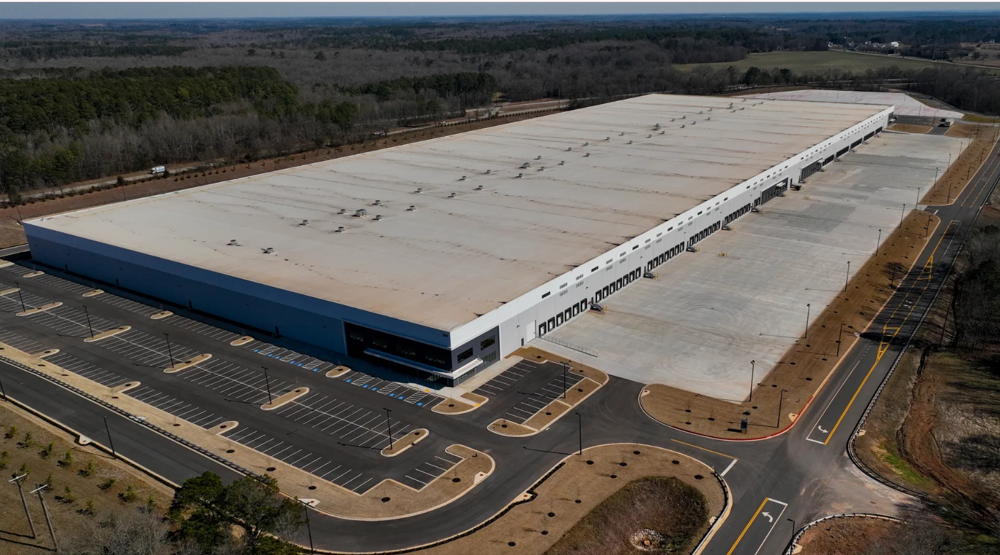
Local officials in Socorro, Texas, learned after the fact that DHS paid $122.8 million for three warehouses totaling more than 826,000 sq. ft. expected to be used by ICE.
The deal is one of numerous sites tied to larger expansion plans, and state documents cited in reporting show the agency aims to raise national capacity to 92,000 beds while federal figures put the current detainee population at about 75,000.
The pattern of purchases and leases spans multiple states and has triggered questions about secrecy and long-term plans for detention operations.
Coverage Differences
Narrative focus
PressTV (West Asian) emphasizes secrecy, specific Socorro purchase details, the increase in detainee numbers and links the rise to 'President Trump returned to office,' highlighting alleged nondisclosure of locations before purchases. Associated Press (Western Mainstream) reports the same expansion but frames it as part of a broader, reported $45 billion program across at least seven states, noting municipal surprise and wider geographic scope without the same causal emphasis on the president's return.
Community alarm over conversions
Town officials and community leaders expressed alarm about sudden announcements and the local impacts of converting warehouses into detention facilities.
Socorro’s mayor and residents said they were not consulted and voiced concerns about strain on infrastructure and services.
Across other municipalities, mayors, county leaders and some members of Congress reported learning about plans only after deals were announced or closed.
Those officials raised concerns about mass detentions, strains on water and other services, and reduced local tax revenue.
Officials in multiple locales said they were surprised to discover scouting or purchases through reporters or activist tracking rather than through formal local consultation.
Coverage Differences
Tone
PressTV (West Asian) highlights local outcry and specific community impacts in Socorro, stressing non-consultation and local concerns about infrastructure. Associated Press (Western Mainstream) similarly reports surprise and pushback but emphasizes a broader set of municipal actors—including mayors, county leaders and some members of Congress, including supporters of President Trump—who expressed concerns, and notes discovery via reporters or an activist spreadsheet.
DHS and ICE purchases
DHS and ICE responded to reporting by denying the 'warehouse' label and assuring that properties will be converted into properly structured detention facilities.
Some officials and reporting described the rollout of purchases and announcements as chaotic.
The Associated Press reports that DHS and ICE object to the 'warehouse' label, that some sales were scuttled, and that ICE acknowledged mistakes in announcing purchases in New York and New Jersey.
PressTV emphasizes that DHS has been seeking more space but 'has not been disclosing locations before purchases,' underlining concerns about transparency even as DHS asserts conversion plans.
Coverage Differences
Rebuttal vs. Emphasis
Associated Press (Western Mainstream) emphasizes DHS/ICE rebuttals—objecting to the 'warehouse' label and pointing to conversion plans and acknowledged mistakes—portraying a chaotic rollout. PressTV (West Asian) stresses the lack of disclosure prior to purchases and focuses on secrecy and expansion metrics, presenting the nondisclosure itself as a central concern.
Comparing PressTV and AP
The two sources differ in framing and emphasis: PressTV focuses on secrecy, local grievance in Socorro, and an explicit link to rising detainee numbers 'since President Trump returned to office,' while the Associated Press presents a broader, multi-state picture that includes official denials, administrative errors, and a chaotic public rollout.
Both sources report the $45 billion expansion and municipal surprise, but PressTV cites at least 20 communities tied to the plan while AP specifies purchases or leases across at least seven states, so the exact scope and its description differ by source.
Note: only the provided PressTV (West Asian) and Associated Press (Western Mainstream) articles were available for this summary; no additional source types were included in the materials supplied.
Coverage Differences
Scope labeling
PressTV (West Asian) reports 'Socorro is one of at least 20 communities tied to ICE’s roughly $45 billion plan,' focusing on community counts and the alleged nationwide secrecy. Associated Press (Western Mainstream) uses geographic-state counts—'at least seven states'—and emphasizes the chaotic rollout and official pushback, creating a different impression of scale and administrative posture.