Full story
Yellow Line barrier grows
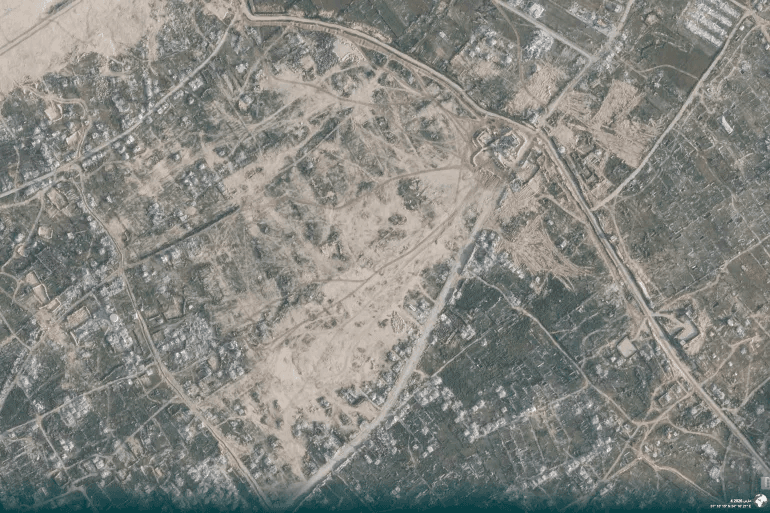
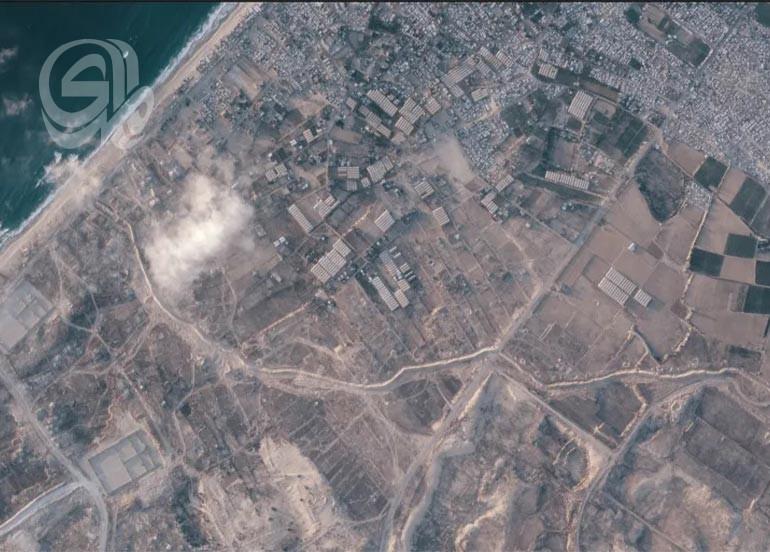
Satellite imagery reviewed by The Associated Press shows Israel is building a miles-long earthen barrier inside Gaza, separating the over 50% of the Gaza Strip it controls from the rest of the territory.
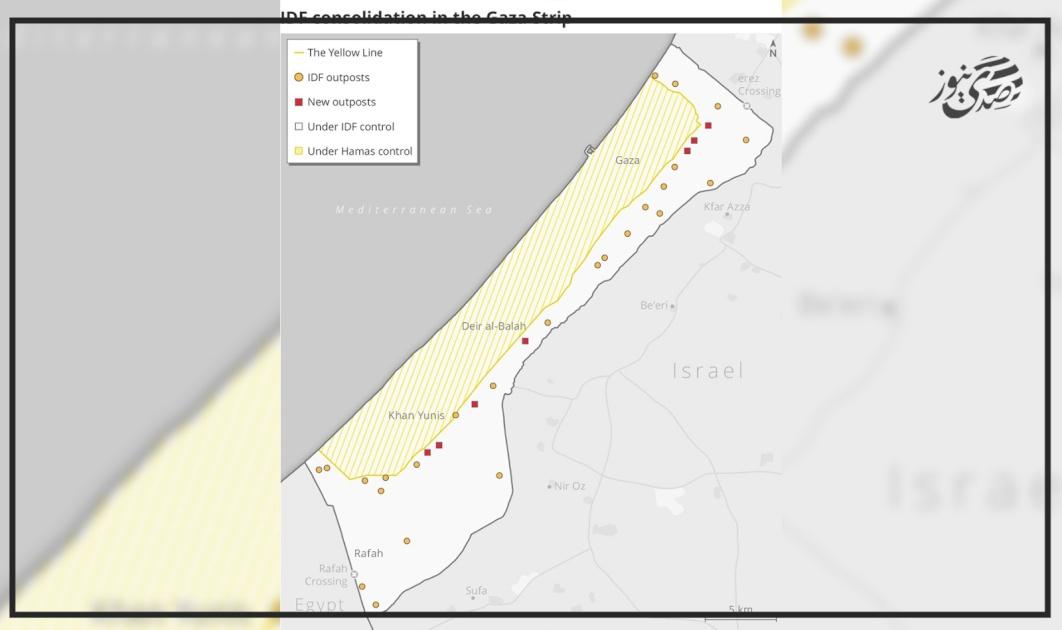
The AP reports that more than 23 kilometers (14 miles) have been constructed in recent months, running through Palestinian communities demolished by the military, and that the Israeli military confirmed it has built a physical barrier in the area of the so-called yellow line.
The AP says the yellow line was envisioned in the U.S.-backed agreement as a temporary division pending a fuller Israeli withdrawal, but as the truce stagnates it appears Israel is digging in, heightening Palestinian fears that the line is morphing into a border.
The Israeli military told AP it has developed a “security zone” around the line, equipped with intelligence and technological assets, and declined to give details on how far the barrier would be extended.
The Jerusalem Post similarly says the IDF has been building a large sand-wall barrier without any public announcement, with Planet Labs PBC observing topographical changes using satellite imagery and providing them to the Associated Press.
Deadly enforcement and disputes
The Associated Press reports that Israeli forces have killed Palestinians who came close to the line or crossed it, and that the Israeli military says it fires on those believed to be militants threatening its troops.
The AP adds that those killed have included children and other civilians seemingly unaware of the line, and that some soldiers have said they don’t always know who they are firing on and have orders to kill anyone crossing the boundary.
The Jerusalem Post frames the IDF’s purpose for the new boundary as making the no-go point for Palestinians clear to those residing in Hamas-controlled areas and preventing any attempt by the terror group to infiltrate Israeli border towns.
In the same account, the Jerusalem Post says the IDF told the Post that the boundary was designed to make the no-go point clear and to prevent infiltration, while it also describes Hamas’s October 7, 2023 invasion as involving an ability to infiltrate Israeli border villages in a period of minutes.
The AP also reports that neither U.S. Central Command nor the Board of Peace, the body led by U.S. President Donald Trump meant to oversee Gaza, would comment on the barrier.
What comes next for Gaza
The Associated Press says construction is proceeding rapidly, with a portion of the berm network in southern Gaza extended by more than 2 kilometers (1.2 miles) in two weeks this month, and that it splices the Israel-controlled ruins of the city of Rafah from Muwasi, site of some of the largest Palestinian tent camps.
The AP reports that if construction continues in its current direction, it will join up with the longest stretch of the barrier, which runs nearly unbroken for around 17 kilometers (10 miles) from the southern city of Khan Younis to near Gaza City, in the north.
The Jerusalem Post adds that the IDF has been pushing Hamas back from the 47% line closer to a 30% line in retaliation for the Gaza terror group failing to start the disarmament process it was due to begin in early 2026.
The AP says Gaza’s population has been crowded into the coastal area west of the yellow line, where most living in squalid tent camps and dependent on aid, while on the other side of the line satellite imagery shows Israeli forces have leveled the vast majority of buildings using bulldozers and explosives.
The AP also reports that the Israeli military says it is demolishing infrastructure used by Hamas, while the truce’s stagnation and the barrier’s expansion heighten Palestinian fears that the line is becoming a border.