
IDF Chief Eyal Zamir Says No Ceasefire in Southern Lebanon Amid Strikes on Hezbollah Tunnel
Key Takeaways
- Israeli military chief says there is no ceasefire in southern Lebanon.
- Israel strikes Hezbollah tunnels in southern Lebanon during ongoing operations.
- Fighting persists as the ceasefire frays amid cross-border attacks.
Explosion and Vows
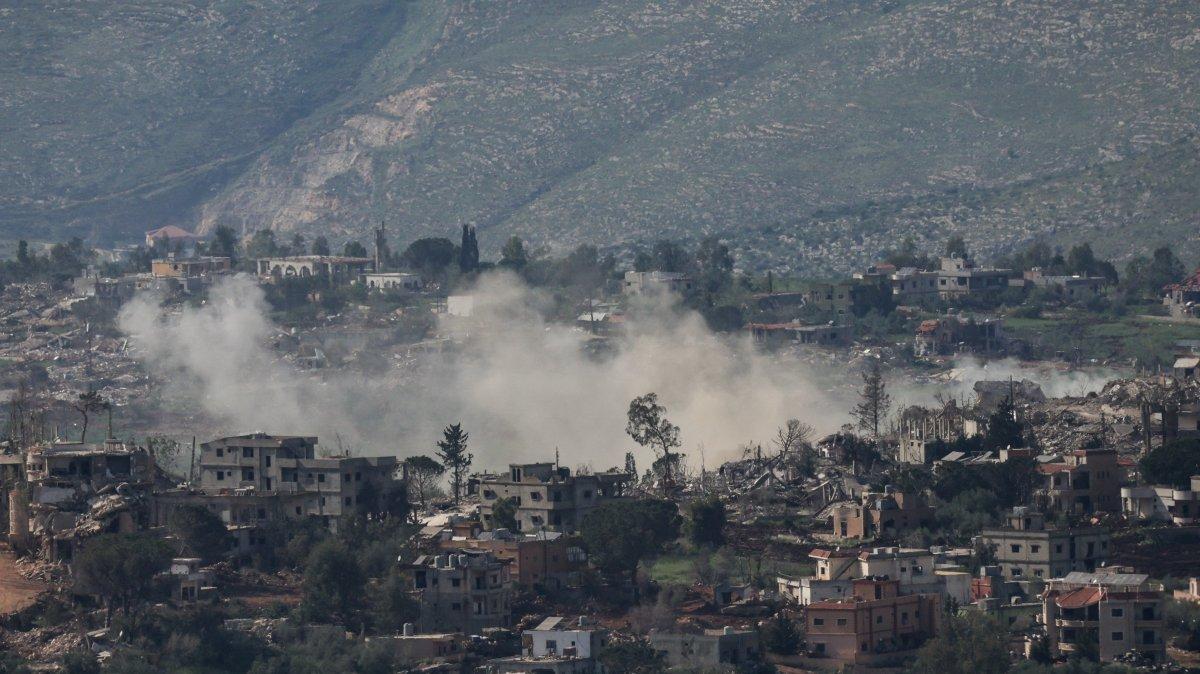
A massive explosion was captured in southern Lebanon in what the Israeli military called strikes on a Hezbollah tunnel, according to Al Jazeera.
The report said other attacks happened nearby as Israeli Defence Minister Israel Katz vowed that southern Lebanon’s fate will be like Gaza’s.

Al Jazeera’s video segment framed the event as part of an Israeli operation in the south, with “massive explosions in southern Lebanon” shown on screen.
The same Al Jazeera item also placed the fighting within a broader diplomatic and regional context, including a reference to Israel beginning intercepting Gaza-bound Global Sumud Flotilla aid boats.
In parallel, The Times of Israel reported that the IDF chief of staff, Lt. Gen. Eyal Zamir, told troops there was “no ceasefire” in south Lebanon despite a truce that had been in place for almost two weeks.
Zamir’s remarks were delivered during a visit to the southern Lebanese town of Taybeh, one of the border villages where Israeli troops are deployed, tying the operational tempo to the political message that Israel would not pause its campaign.
Ceasefire, but Fighting
While a US-mediated ceasefire between Israel and Hezbollah began on April 17 and was extended on April 24 for an additional three weeks, The Times of Israel said cross-border fighting continued.
The outlet reported that Zamir told troops in Taybeh that the IDF “will not tolerate” Hezbollah’s attacks and that Israel will not leave the security buffer zone it holds in south Lebanon until the threat to Israel’s northern communities is removed.

In remarks published by the IDF, Zamir said, “In Lebanon, the mission assigned to us by the political echelon is to position ourselves along the line to prevent direct fire on the communities.”
He added, “We have achieved this; this is the line we are on. We may be required to remain on it,” and he insisted, “We will not tolerate attacks and fire on our communities, and we will not leave until long-term security for the northern communities is ensured.”
The Times of Israel also quoted Zamir’s combat-front message: “On the combat front, there is no ceasefire; you continue to fight, to remove direct and indirect threats from the northern communities, to thwart terror infrastructure, to locate and kill terrorists.”
VINnews, repeating the same IDF framing, described Zamir telling troops that “there is no ceasefire in southern Lebanon” and that Israel’s military chief declared the IDF would not leave its positions in the new security zone until long-term safety is guaranteed.
Airstrikes, Drones, and Injuries
The Times of Israel reported that during Zamir’s visit, the IDF continued operations in southern Lebanon and said it struck some 20 Hezbollah sites with airstrikes and artillery shelling in the southern Lebanon towns of Baraashit and Shaqra on Wednesday morning.
The outlet said the sites hit by the Israeli Air Force and the artillery regiment of the 91st “Galilee” Regional Division included weapon depots and other buildings used by Hezbollah for “military purposes,” according to the IDF.
It also reported that the IDF said it struck and destroyed a Hezbollah rocket launcher and shot down two explosive drones launched at Israel.
The same report added that Hezbollah launched several more explosive-laden first-person view (FPV) drones at Israeli troops in southern Lebanon in two separate incidents Wednesday, and that the drones exploded near the forces but did not cause any injuries.
The Guardian described a parallel pattern from Hezbollah’s side, saying Hezbollah launched several drones at Israeli soldiers in south Lebanon on Tuesday while Israel issued new displacement orders for south Lebanon and carried out airstrikes.
The Guardian said Hezbollah claimed Tuesday’s attack injured several Israeli soldiers, while it also reported that an Israeli soldier was killed and six others wounded in a Hezbollah drone attack on Sunday.
Displacement and Death Toll
Beyond the drone and strike exchanges, The Guardian reported that Israel ordered residents of 16 villages in south Lebanon to flee northwards, and it said Israeli airstrikes killed 18 people and wounded 88 more in Lebanon over the weekend, citing the Lebanese ministry of health.
The Guardian also described the ceasefire as “fraying,” saying it failed to stop fighting between the two sides, and it noted that Hezbollah’s drone use involved small, fibre-optic-guided drones that it said have managed to evade Israeli aerial defences.
The Guardian stated that the drones have a range of up to 9 miles (15km) and that Hezbollah has used them to attack Israeli soldiers in south Lebanon almost daily since the ceasefire was established on 17 April.
It also reported that Hezbollah rocket fire has killed two civilians in Israel in the same time period.
The Guardian placed the fighting within a wider diplomatic breakdown, saying the back-and-forth came as talks between the US and Iran ground to a halt, with US secretary of state, Marco Rubio, saying any permanent truce needs to include a deal on Iran’s nuclear programme.
The Guardian then returned to Lebanon’s internal political tensions, quoting Hezbollah head Naim Qassem calling direct talks a “grave sin” and Lebanon’s president Joseph Aoun responding that “the ‘real betrayal is committed by those who drag their country into war to serve foreign interests’.”
Diplomacy, Pressure, and Stakes
The Times of Israel tied the battlefield posture to negotiations and to US involvement, saying Zamir’s comments came amid a reported push from Jerusalem to get the US to limit its historic direct talks with the Lebanese government to a two-week timeframe.
It reported that the US-mediated ceasefire started on April 17 and was extended on April 24 for an additional three weeks, with US President Donald Trump announcing the extension at the time.

The outlet said Israeli and Lebanese diplomats met for US-brokered talks, but it stressed that cross-border fighting continued.
It also reported that Channel 12 said Prime Minister Benjamin Netanyahu held a phone call with Trump, during which Netanyahu asked for further freedom of action in Lebanon and for a two-week time limit on the peace talks with Beirut.
The Times of Israel further stated that Trump insisted that Israel “restrain itself,” citing an unnamed Israeli source, and it said Trump urged Netanyahu not to “take actions that could jeopardize the ceasefire.”
The Guardian added that under the text of the ceasefire deal, Israel is allowed to strike Lebanon in self-defence, and it referenced a repeat of the 2024 ceasefire during which Israel struck Lebanon more than 15,000 times.
More on Lebanon
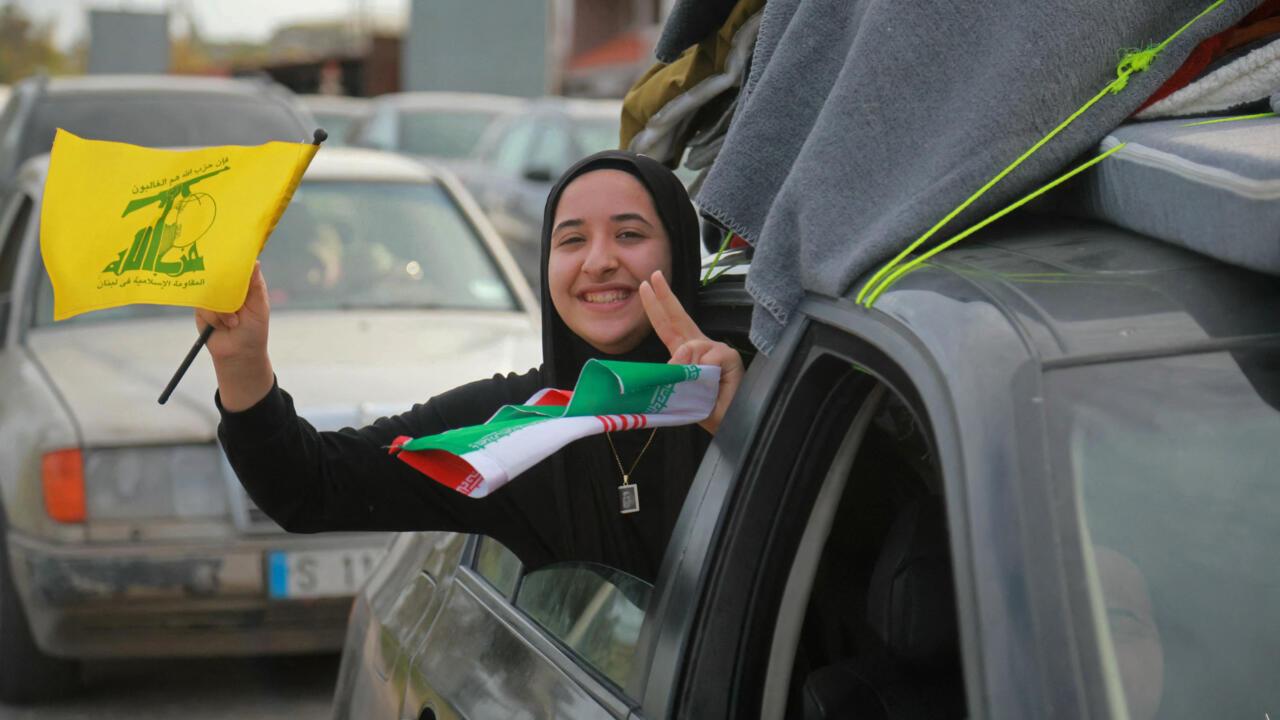
Hezbollah Lawmaker Ibrahim Al-Moussawi Says Joseph Aoun Remarks Would Be a Catastrophe
12 sources compared
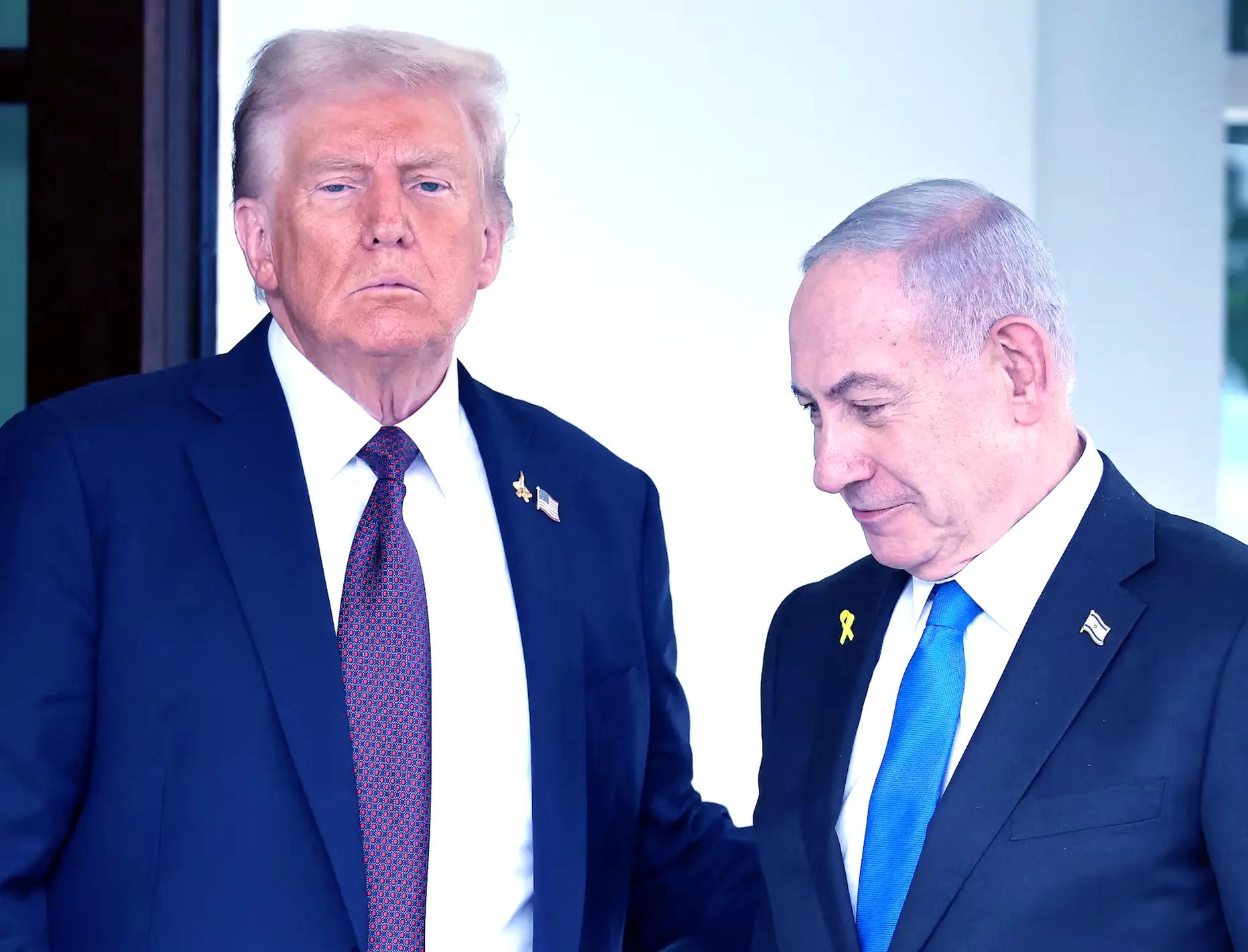
Trump Urges Netanyahu To Limit Lebanon Strikes To Surgical Actions As Ceasefire Falters
14 sources compared
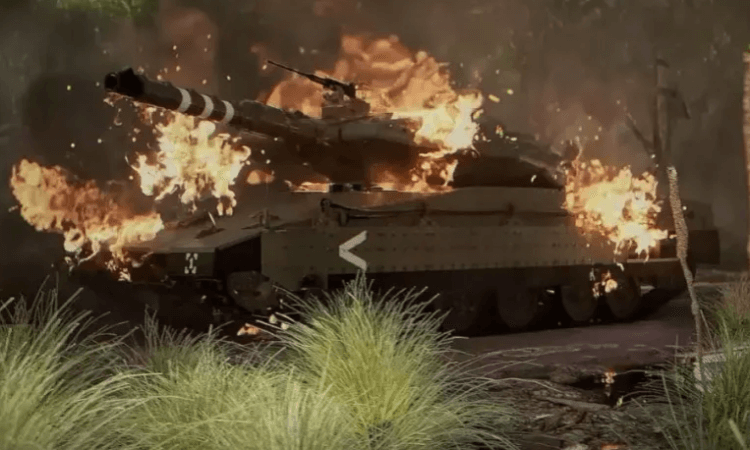
Hezbollah Targets Two Merkava Tanks Near Al-Qantara After Missile Attack From Lebanon
20 sources compared

Lebanon Detains Ashraf Dabbour At Beirut’s Rafik Hariri International Airport On Corruption Charges
11 sources compared