IDF says Michigan synagogue attacker's brother was Hezbollah commander
Key Takeaways
- IDF says Ibrahim Ghazali led Hezbollah weapons operations in the Badr Unit.
- Ghazali was killed in an Israeli airstrike last week, per IDF.
- The attacker, Ayman Mohamad Ghazali, rammed a vehicle into Temple Israel and died.
Michigan Synagogue Attack
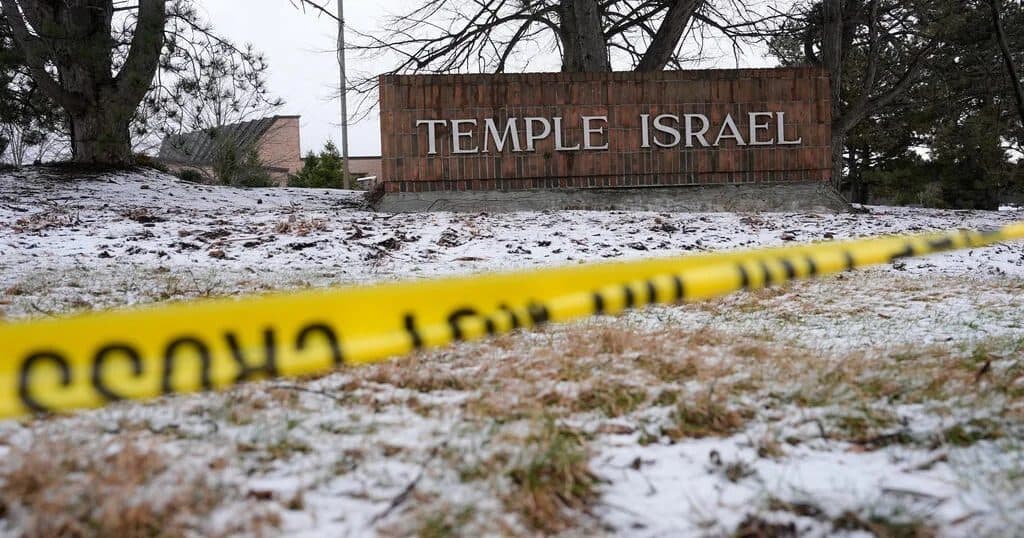
On March 12, 2026, Ayman Mohamad Ghazali, a 41-year-old Lebanese-born U.S. citizen, carried out a violent attack on Temple Israel synagogue in West Bloomfield Township, Michigan.
“(�/� XDZ=gJKh� @ EP %ї��@(Ek����^�F)d�ea�p���`s��@� �%�&�����~3 `��QjԆ]v��lP4IC�R�c�SK�� g����q���”
According to FBI Special Agent Jennifer Runyan, Ghazali drove his truck into the synagogue building, which housed more than 140 children, teachers, and staff at the time.
He began firing through his windshield after getting stuck in the hallway, resulting in one security guard being injured.
Critically, none of the children or staff inside were seriously hurt due to reinforced security measures.
Ghazali died from a self-inflicted gunshot wound after his vehicle's engine caught fire, igniting commercial-grade fireworks and jugs of flammable liquid believed to be gasoline.
IDF Hezbollah Claim
The Israel Defense Forces (IDF) claimed on March 15, 2026, that Ibrahim Muhammad Ghazali, the brother of the Michigan synagogue attacker, was a Hezbollah commander.
According to the IDF's post on X, Ibrahim was responsible for managing weapons operations within a specialized branch of Hezbollah's Badr Unit.

The IDF claimed this unit was responsible for launching 'hundreds of rockets toward Israeli civilians throughout the war' and that Ibrahim was 'eliminated in an IAF strike on a Hezbollah military structure' on March 5, 2026.
The IDF described Ibrahim as a 'Hezbollah terrorist' who commanded a unit responsible for rocket attacks on Israeli civilians.
However, the FBI's Detroit office declined to comment on the IDF's claims, stating they would 'continue to refrain from commenting on its substance' out of respect for the ongoing investigation.
Family Casualties
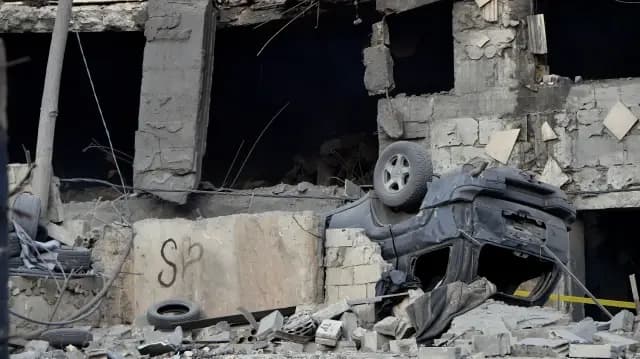
The Israeli airstrike that killed Ibrahim Ghazali also claimed the lives of three other family members, according to a Lebanese official who spoke to the Associated Press on condition of anonymity.
“citizenship in 2016, according to the Department of Homeland Security”
The official confirmed that Ibrahim's children, Ali and Fatima, and his brother, Kassim, were also killed in the strike that hit their home just after sunset on March 5 in the Lebanese village of Mashgharah.
A local official told Reuters the family was gathered for the Ramadan fast-breaking meal when the strike occurred.
In response to the IDF's claims, Hezbollah issued a statement through an official to The New York Times, denying that Ibrahim or his family were affiliated with the group.
The official described the brothers as 'a referee in a local soccer league and a scout member' who were targeted at home along with their children, though the statement did not explicitly deny Ibrahim's role in Hezbollah.
Attack Details
Ayman Ghazali's attack appears to have been motivated by the loss of four family members in the Israeli airstrike.
According to authorities, Ghazali waited in his car outside Temple Israel for about two hours with a rifle, commercial-grade fireworks, and jugs of liquid believed to be gasoline before crashing into the building.
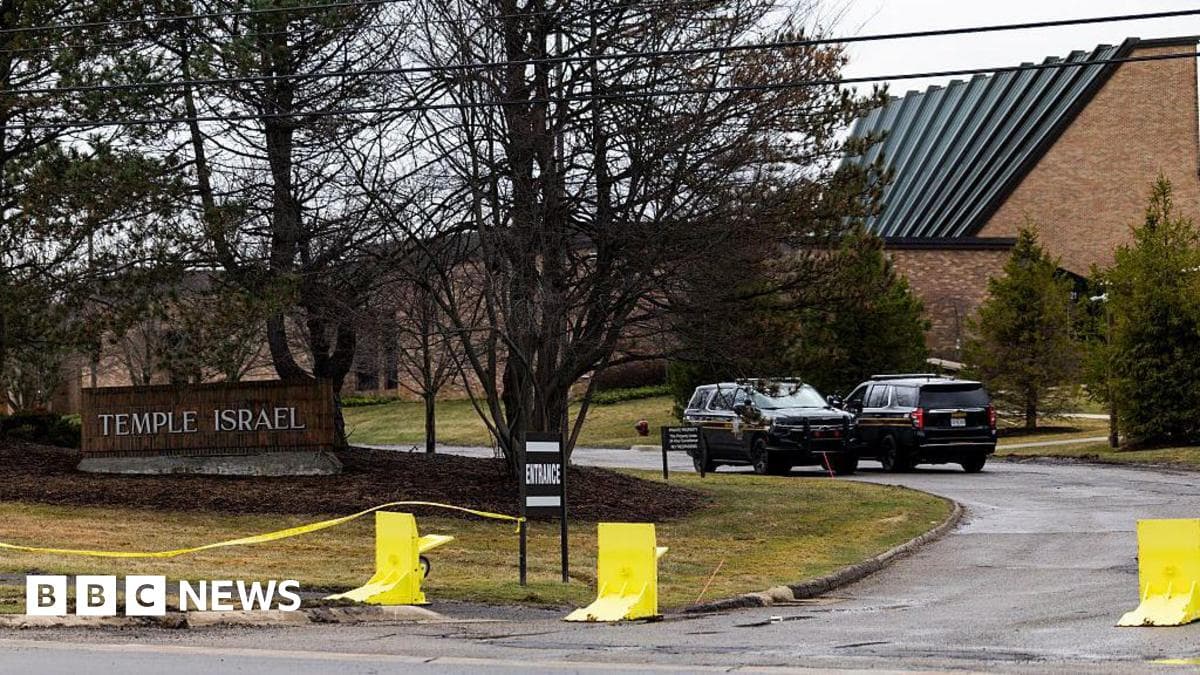
After security guards opened fire, Ghazali exchanged gunfire with them before ultimately shooting himself as his vehicle became stuck and caught fire.
FBI officials described the attack as a 'targeted act of violence against the Jewish community' but stated they did not have enough evidence yet to classify it as an act of terror.
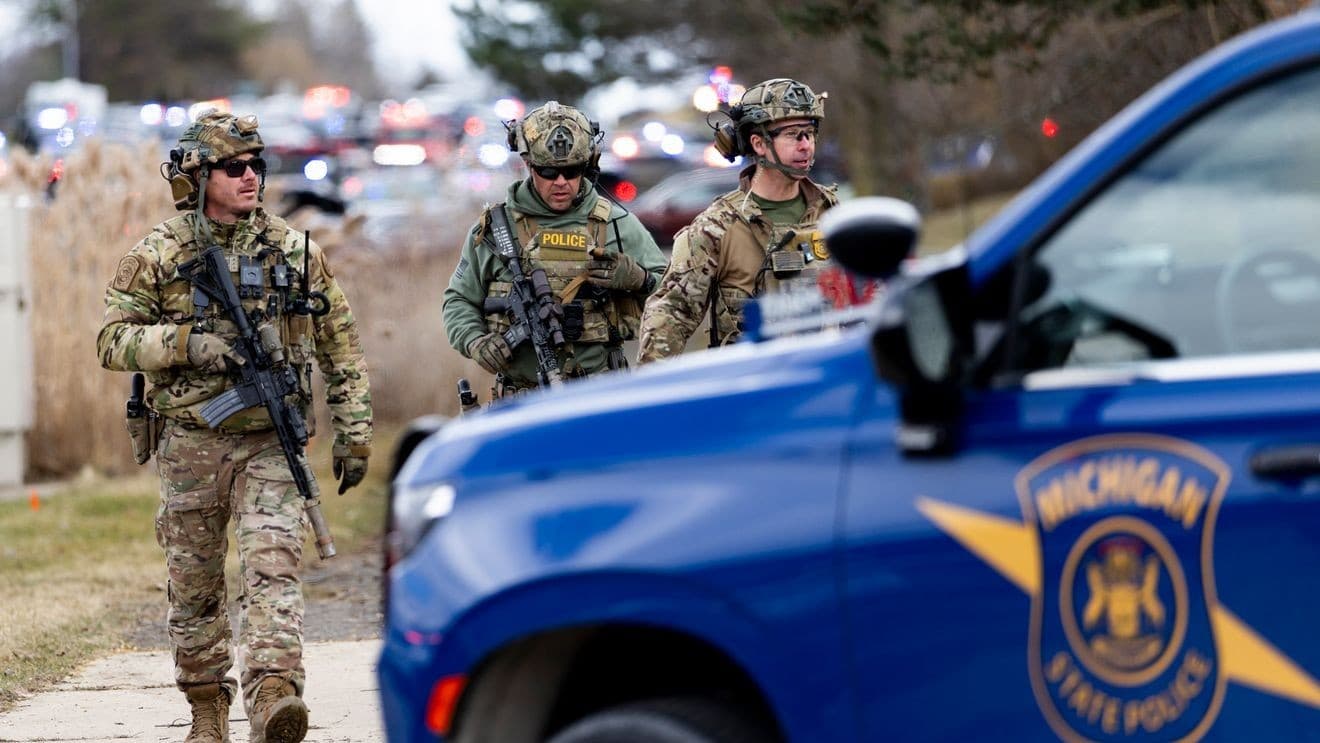
The attack occurred amid heightened security concerns for places of worship nationwide, with authorities noting that Temple Israel had recently strengthened its security measures.
Regional Conflict Context
The incident occurred against the backdrop of escalating conflict between Israel and Hezbollah, which has intensified since the U.S.-Israeli war against Iran began on February 28, 2026.
“The brother of a man who attacked a Michigan synagogue last week, who was killed earlier this month in an Israeli airstrike, was a Hezbollah commander, Israel's military said Sunday”
Hezbollah opened fire on Israel on March 2, stating it was retaliating for the killing of Iran's supreme leader.

In response, Israel has launched an extensive bombing campaign against Hezbollah targets in Lebanon.
Lebanon's health ministry reported that Israeli strikes have killed about 826 people and wounded more than 2,000 since the conflict began, while Hezbollah has fired hundreds of rockets across the border.
The attack in Michigan has heightened concerns about potential retaliation actions within the U.S. stemming from the turmoil in the Middle East.