U.S. Bombs Iran's Kharg Island Oil-Export Hub, President Trump Says
Key Takeaways
- US strikes Kharg Island, hitting more than 90 Iranian military targets.
- Oil export infrastructure on Kharg Island reportedly not targeted.
- Trump said the strikes obliterated military targets and warned of further action.
Attack Details
The United States carried out major airstrikes on Iran's strategically vital Kharg Island on Friday night.
President Donald Trump announced the destruction of every military target on the island.

Trump described the operation as 'one of the most powerful bombing raids in the History of the Middle East'.
He claimed US forces had 'totally obliterated every MILITARY target in Iran's crown jewel, Kharg Island.'
Trump stated that oil infrastructure was spared for 'reasons of decency', with a warning this decision could be reversed.
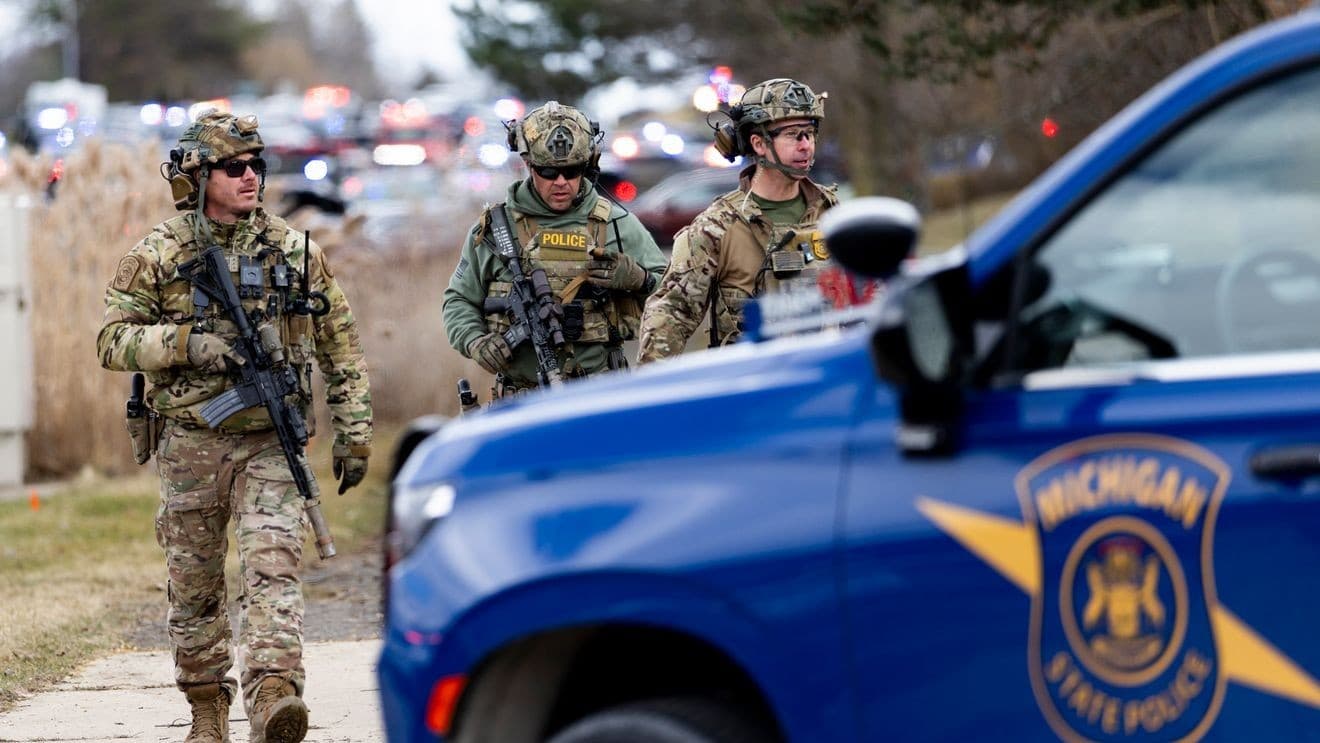
The Pentagon confirmed the strikes targeted naval mine storage facilities, missile storage bunkers, and other military installations.
US Central Command reported more than 90 targets were hit while preserving the oil infrastructure.
Strategic Importance
Kharg Island represents Iran's economic lifeline and the cornerstone of its oil export infrastructure.
The island handles approximately 90 percent of the country's crude oil exports.
Located about 15-25 miles off Iran's coast in the Persian Gulf, this small coral island serves as the primary terminal.
Iran ships millions of barrels of crude to global markets, primarily to China, through Kharg.
The island's deep-water facilities allow large oil tankers to dock directly.
Loading terminals were originally designed to handle up to seven million barrels of oil per day.
Despite its modest size of about 6 kilometers long and 3 kilometers wide, Kharg hosts over 50 storage tanks.
These tanks can hold more than 34 million barrels of crude, making it strategically indispensable to Iran's economy.
Iranian Response
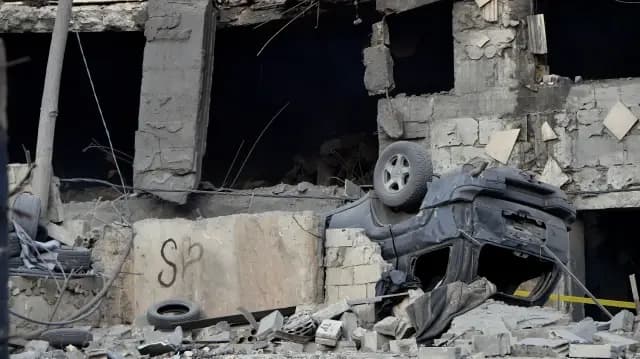
Iran responded swiftly to the Kharg Island attack with officials vowing severe retaliation.
“The US embassy in the Iraqi capital Baghdad was hit in a missile attack on Saturday, causing smoke to rise from the building, Iraqi security sources said”
Iranian Foreign Minister Abbas Araghchi warned about targeting US companies' facilities in the region.
Araghchi emphasized Tehran would 'move with caution to ensure that densely populated areas are not targeted.'
The Khatam al-Anbiya Central Headquarters declared firms cooperating with the US would 'immediately be destroyed and turned into a pile of ashes.'
Iranian Parliament Speaker Mohammad Bagher Qalibaf had warned attacks on Persian Gulf islands would cause Iran to 'abandon all restraint.'
This underscores how central these assets are to Iran's economy and security.
The rhetoric reflects Iran's strategy of using energy infrastructure as both economic leverage and a deterrent.
Market Impact
The strikes on Kharg Island have sent shockwaves through global energy markets.
Oil prices have surged by more than 40 percent since the war began nearly two weeks ago.

Brent crude finished above $103 per barrel on Friday - the highest since 2022.
Traffic through the Strait of Hormuz remains virtually halted despite Western reassurances.
Analysts warn that direct attacks on Kharg's oil infrastructure could push prices to $150 or even $200 per barrel.
The International Energy Agency has warned this has triggered 'the largest disruption to global oil supplies on record.'
Expected cuts of around 8% of global supplies are projected for March.
Regional Conflict
The attack on Kharg Island represents a dangerous escalation in the broader Middle East conflict.
“strikes onIran’s Kharg Islandin the Persian Gulf targeted military sites but left its oil infrastructure alone for now, Trump said in a social media post”
The conflict began when the US and Israel launched strikes against Iran on February 28.

These initial strikes killed Supreme Leader Ali Khamenei.
The conflict has now entered its third week with no clear end in sight.
The US has expanded its military presence, deploying an additional 2,500 Marines to the region.
Iran has launched widespread attacks against at least 10 neighboring countries.
Iran has effectively closed the Strait of Hormuz to most commercial shipping.
The violence has displaced millions and killed more than 2,000 people, mostly in Iran.
Strategic Analysis
Military analysts have characterized the Kharg Island strike as a fundamental shift in the war's character.
The attack moves beyond targeting Iran's military capacity to directly attacking its economic foundation.
Former U.S. Army Brigadier General Mark Kimmitt told CNN the operation has effectively 'held Kharg Island hostage' as a pressure tool.
He warned that destroying the oil infrastructure would likely cause Iranian retaliation against energy infrastructure across the Middle East.
This could potentially cause oil prices to move 'entirely out of control.'
Other analysts suggest Trump may have underestimated Iran's ability to withstand economic pressure.
Kharg Island has shown historical resilience, surviving bombing during the Iran-Iraq War in the 1980s.
During that conflict, Iran continued exporting more than 1.5 million barrels of oil per day despite damage.