IEA And Member Countries Release Record 400 Million Barrels To Stabilize Markets After US‑Iran War
Key Takeaways
- 32 IEA member countries will release a record 400 million barrels from emergency reserves
- Release responds to Iran war disruptions and effective closure of the Strait of Hormuz
- United States will release about 172 million barrels as part of the coordinated drawdown
IEA record release
The International Energy Agency (IEA) on March 11 agreed that its 32 member countries would release a record 400 million barrels of oil from strategic reserves to calm markets disrupted by the war involving Iran.
“and Israeli strikes, Iran has attacked commercial ships across the Persian Gulf, escalating a campaign of squeezing the oil-rich region as global energy concerns mount”
Multiple outlets described the coordinated action as the largest emergency release in the IEA’s history and the first such mass intervention since 2022, with IEA executive director Fatih Birol calling it “a major action” aimed at alleviating immediate market impacts.

The decision was framed as a direct response to severe supply shocks caused by the conflict and an effective stoppage of tanker traffic through the Strait of Hormuz.
Why reserves were used
The immediate trigger cited across sources was the effective closure of the Strait of Hormuz and repeated attacks on commercial vessels and energy infrastructure, which has sharply curtailed tanker traffic and forced Gulf producers to scale back exports.
News organizations and the IEA warned that the strait — normally carrying about 20% of global oil and gas trade — had been effectively shut as shipowners and insurers pulled back amid strikes, mines and threats, making a large coordinated release of reserves necessary to replace lost flows.

Scale and contributions
The scale and distribution of the reserves drew attention and some conflicting figures: IEA members collectively hold public emergency stocks of more than 1.2 billion barrels, plus industry-held obligations often cited as bringing total available stockpiles closer to 1.8 billion barrels, and governments tailored national contributions to reach the 400 million-barrel target.
“IEA proposes record oil stockpile release amid Middle East conflict: Report Plan for 300M–400M barrel release from emergency reserves could mark largest coordinated stockpile draw in history as governments seek to calm volatile oil markets amid Mideast conflict, says Bloomberg ISTANBUL The International Energy Agency (IEA) has proposed releasing a record amount of oil from emergency reserves as governments scramble to contain soaring energy prices triggered by the escalating conflict in the Middle East, Bloomberg reported Wednesday”
Several sources reported that the United States would provide the single largest share — about 172 million barrels — while other members such as Japan, Germany and Austria pledged specific drawdowns timed to their national situations.
Market response and limits
Market reaction was mixed and many analysts warned the release could be insufficient.
Despite the announcement, prices remained volatile — with Brent and U.S. benchmarks climbing on some trading sessions — and analysts from banks and research houses cautioned that the pace of deliveries, logistical limits and the depth of lost exports mean the reserve release would likely only partially offset the shock.

Goldman Sachs analysts were cited saying strategic stocks cannot fully paper over daily losses equivalent to millions of barrels, and market commentary stressed that reserves act as a temporary cushion rather than a structural fix.
Timing and national steps
Implementation notes and national measures emphasized staggered schedules and domestic steps to shield consumers: several countries signalled tailored delivery timetables and complementary policies such as price-controls at pumps.
Officials said releases would be implemented “according to a schedule tailored to each member country's national situation,” and the U.S. energy department gave a rough timeline for its portion, while governments including Germany, Austria and Japan announced near-term tap-ins and other protective measures.

More on Iran
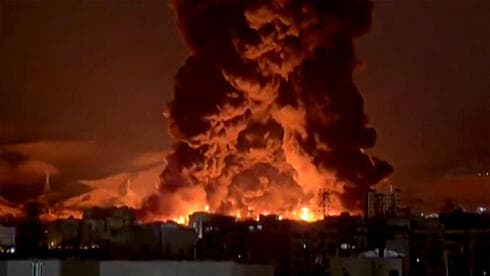
US obliterates military targets on Iran’s Kharg Island, Trump warns
13 sources compared
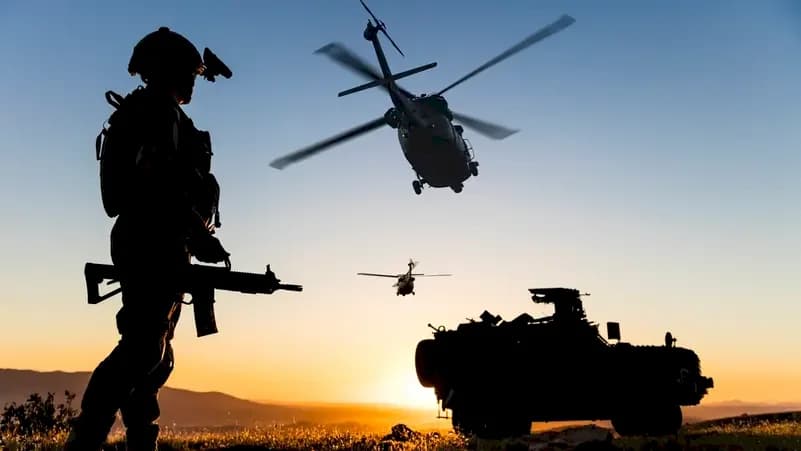
US Deploys About 2,500 Marines to Middle East After Iran Attacks Gulf Shipping
33 sources compared
FBI Warns of Iranian Drone Plot Based on Unverified Tip; California Says No Credible Threat
10 sources compared

White House Demands ABC Retract Report Claiming Iran Sought To Launch Drone Attacks On California
11 sources compared