IEA Chief Fatih Birol Says Global Economy Faces Major Threat From Hormuz Crisis
Key Takeaways
- IEA chief warns global economy faces major threat from Middle East energy crisis.
- No country will be immune to the energy crisis' effects.
- Birol compares current crisis to the 1970s energy crisis.
Global Economic Threat
International Energy Agency (IEA) Chief Fatih Birol has issued a stark warning that the global economy is facing a 'major, major threat' from the energy crisis caused by the Middle East war and the closure of the Strait of Hormuz.
“Global economy under 'major threat' from Strait of Hormuz crisis: IEA chief The global economy is under "major threat" from the energy crisis caused by the Middle East war and "no country will be immune" to its effects, International Energy Agency chief Fatih Birol said Monday”
Speaking at Australia's National Press Club, Birol compared the current crisis to the combined effects of two oil crises and one gas crash, drawing parallels to the 1970s energy crises and the impact of Russia's 2022 invasion of Ukraine.

The IEA chief emphasized that no country will be immune to the effects if the crisis continues, stressing the urgent need for global cooperative efforts to address the escalating energy disruption that threatens economic stability worldwide.
Geopolitical Standoff
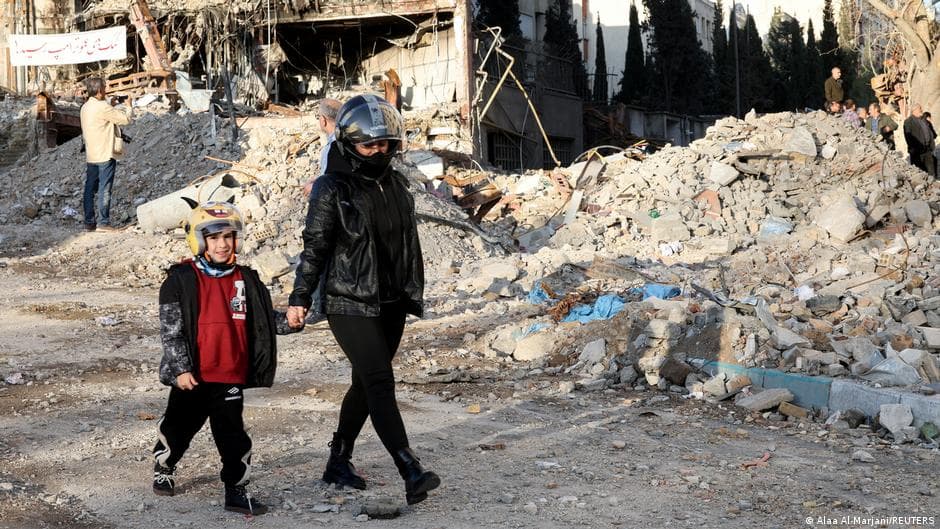
The Strait of Hormuz crisis has escalated into a dangerous geopolitical standoff between the United States and Iran, with tit-for-tat threats dramatically increasing regional tensions.
US President Donald Trump has demanded that Iran reopen the strategic waterway, through which approximately 20% of the world's oil and gas shipments transit, while threatening to 'obliterate' Iranian power plants if Tehran fails to comply.
In response, Iran has warned it will strike electrical plants across Israel and Gulf nations if Trump follows through with his threats, creating a potential scenario where energy infrastructure across the entire region could become targets in the conflict.
Energy Supply Crisis
The closure of the Strait of Hormuz has created an unprecedented energy crisis that extends far beyond the immediate region, with global oil supplies nearly completely disrupted through the narrow waterway.
“What you need to know - The head of the International Energy Agency (IEA) has said the global economy is facing a 'major threat' due to the blocking of the Strait of Hormuz - US President Donald Trump's 48-hour deadline to Iran to open the strait is set to run out on Monday - Trump had threatened to bomb Iran's power plants if it does not comply - Iran threatened to "irreversibly destroy" key infrastructure across the Middle East if Trump follows through Here is a roundup of the war in the Middle East on Monday, March 23, 2026”
The bottleneck has effectively halted most petroleum shipments, threatening not only energy markets but also critical infrastructure in desert nations where electrical power is directly linked to water desalination systems.
Iran's state television has specifically warned that its retaliatory strikes would target power plants that supply electricity to US bases and economic infrastructure, potentially creating a cascade of failures affecting both energy and water supplies across multiple countries.
International Response
International reactions to the escalating crisis have been mixed, with China warning of the potential for an 'uncontrollable situation' in the Middle East while simultaneously working to maintain diplomatic channels.
Chinese Foreign Ministry spokesman Lin Jian stated that if the war expands further, 'the entire region could be plunged into an uncontrollable situation,' emphasizing that 'the use of force will only lead to a vicious cycle.'
Despite being reliant on Iranian oil and maintaining partnership relations with Tehran, Beijing has made clear it 'does not go along' with Iran's strategy of attacking neighboring Gulf countries.
China has responded to Trump's call for military intervention by dispatching special envoy Zhai Jun to the region for de-escalation efforts rather than providing military support.
Military Escalation
Military operations have intensified as the conflict enters its fourth week, with both the US and Israel conducting strikes against Iranian infrastructure while Iran continues missile and drone attacks.
“International Energy Agency (IEA) chief Fatih Birol compares the current energy crisis to those of the 1970s and the impact of Russia's 2022 invasion of Ukraine The global economy is under "major threat" from the energy crisis caused by the Middle East war and "no country will be immune" to its effects, International Energy Agency chief Fatih Birol said Monday”
US Central Command head Navy Admiral Brad Cooper stated that the US campaign against Iran is 'largely ahead or on plan,' claiming Iran was operating 'in a sign of desperation' and had shifted tactics from simultaneous large-scale attacks to smaller, more frequent operations targeting both military and civilian objectives.
Israel has launched a 'wide-scale wave of strikes targeting Iranian terror regime infrastructure in Tehran,' with explosions reported across multiple areas of the Iranian capital.
The IDF also worked to intercept incoming Iranian missiles, urging residents to take cover as defensive systems operated to counter the threats.
More on Finance

President Donald Trump Threatens to Obliterate Iran's Power Plants as Oil Prices Rise
12 sources compared

Jury Rules Elon Musk Misled Twitter Investors in $44B Acquisition Case
20 sources compared
Judge Jason Woodbury Blocks Kalshi From Operating in Nevada
24 sources compared

Coinbase Launches Stock Perpetual Futures for Non-U.S. Users
12 sources compared