IEA Chief Fatih Birol Warns Strait of Hormuz Crisis Depletes Oil Inventories
Key Takeaways
- IEA warns commercial oil inventories are near depletion due to Hormuz disruptions.
- Strategic reserves release adds about 2.5 million barrels per day to markets.
- Iran signals new Strait of Hormuz governance, moving to a phase without US presence.
IEA warns of weeks
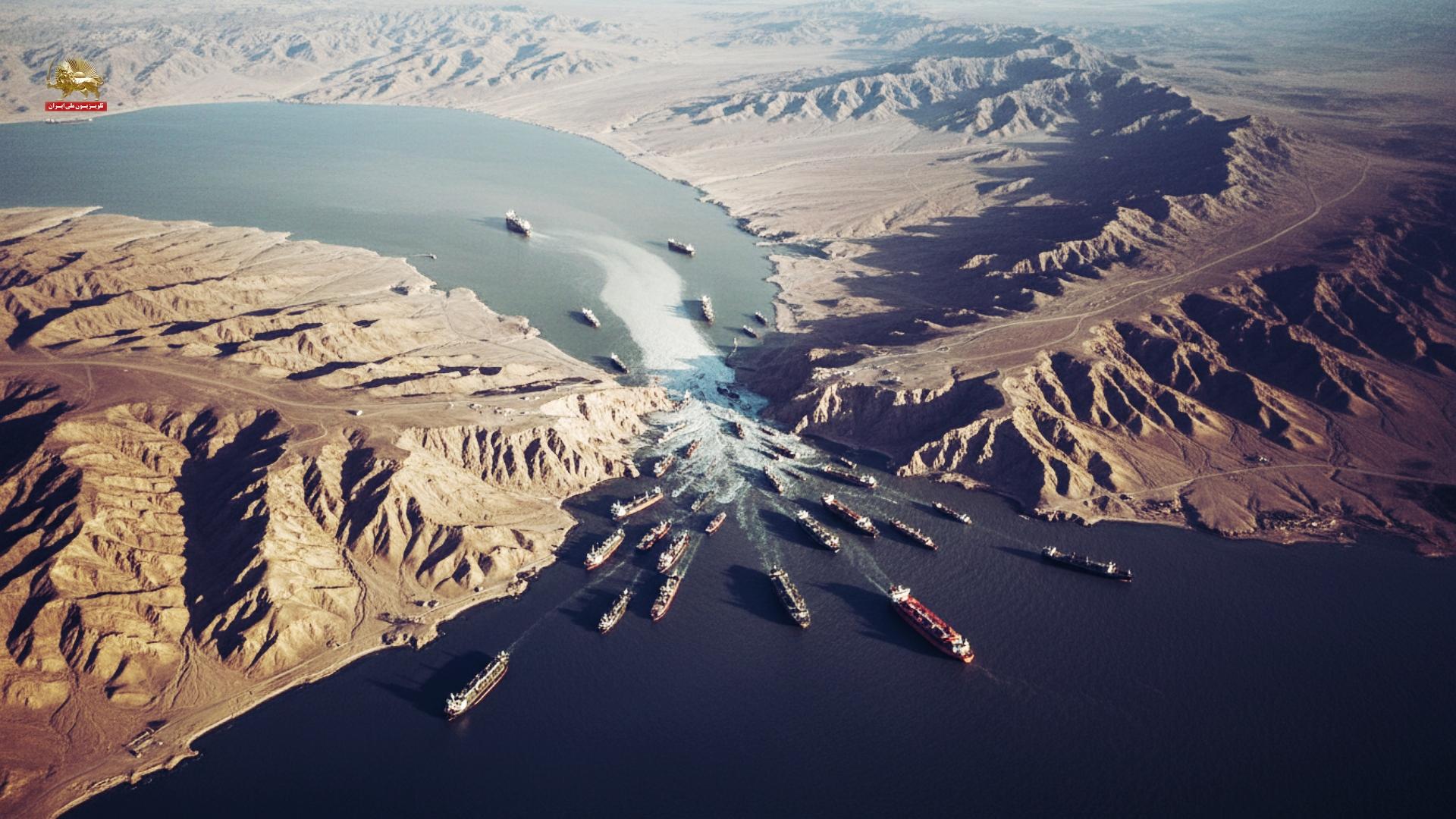
The head of the International Energy Agency warned that commercial oil inventories are depleting rapidly and that the world only has a few weeks' worth of oil reserves left due to the situation in the Strait of Hormuz caused by the US-Israeli aggression against Iran.
Fatih Birol, participating in the Group of Seven finance leaders meeting in Paris, told reporters on Monday that strategic reserves added 2.5 million barrels of oil per day but that the reserves "are not endless".
Birol said commercial inventories would last "several weeks, but we should be aware of the fact that it is declining rapidly," as spring planting and summer travel seasons increase demand for diesel, fertilizer, jet fuel and gasoline.
The IEA said global observed oil inventories fell at a record pace in March and April, dropping by 246 million barrels, and it coordinated the largest-ever release of stocks from strategic reserves in March, agreeing to withdraw 400 million barrels.
The IEA also said overall global oil supply will plunge by around 3.9 million barrels per day across 2026 due to the war, slashing its previous forecast of a 1.5 million bpd drop.
Iran and Oman talks
Iran’s Foreign Ministry said on Monday that Iran is in discussions with Oman on a transit mechanism for the Strait of Hormuz, with spokesperson Esmaeil Baghaei saying the route is internationally important for shipping and that talks are ongoing.
Baghaei emphasized that Iran holds no hostility toward any country in the Middle East, including the United Arab Emirates, and urged all parties to stay alert to external attempts to sow division in the region.

In a separate account, Baghaei described the Strait of Hormuz as a highly important waterway for the entire world and said Iran remains committed to ensuring navigation is carried out with full safety.
He said the process is continuing and that Iran remains in constant contact with Oman to draft a mechanism capable of fulfilling that responsibility, while noting that expert-level meetings were held in Muscat last week and contacts are ongoing.
Baghaei also argued that reducing the issue of new arrangements for ensuring safe transit to merely a financial matter is a deviation from the main issue, and said it is natural for any coastal country to receive payments for services it provides.
PGSA toll regime formalizing
Iran is moving to formalize a state-administered transit-toll regime under the newly established Persian Gulf Strait Authority (PGSA), with reported per-transit payments of up to $2 million settled in Chinese yuan and Bitcoin transfers to IRGC-linked wallets.
The Windward account says the PGSA’s official communications channel went live on May 18, and it describes a process under which vessels must apply to the PGSA and submit a Vessel Information Declaration covering ownership, insurance, crew, cargo, and routing before a transit permit is issued.
It also says Israel-linked vessels are banned outright, with U.S.-linked and other “hostile country” vessels facing severe restrictions, and it frames the mechanism as a pivot from kinetic disruption toward administrative control of the chokepoint.
In a separate report, Iran’s First Vice President Mohammad Reza Aref and Ebrahim Azizi announced that Tehran is preparing to formally publish a toll mechanism and designated shipping route for the Strait of Hormuz, with Azizi saying it "will be unveiled soon".
The same report says the Persian Gulf Strait Authority has been operational since May 5, processing applications via email and collecting payments of up to $2 million per vessel for nearly two weeks before the legal instrument it supposedly enforces has been made public.
More on Iran
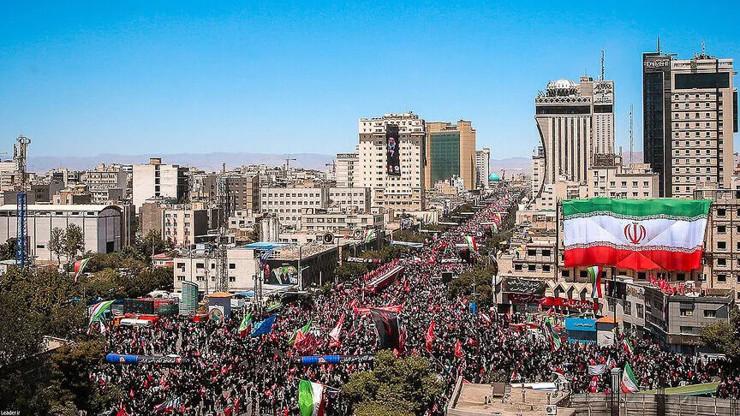
Israeli Strike Kills Ayatollah Ali Khamenei, Buried at Imam Reza Shrine in Mashhad
19 sources compared
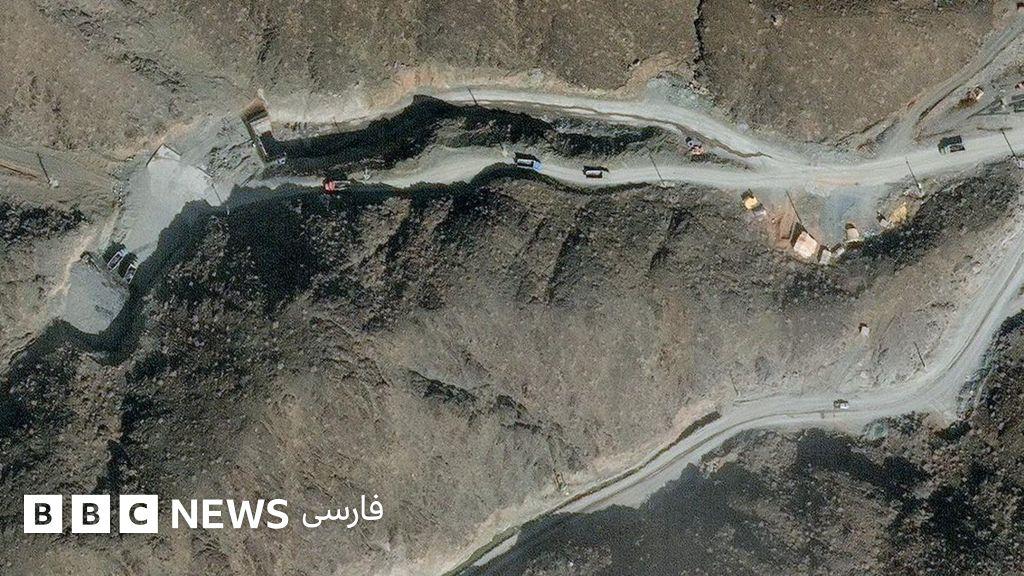
Iran Attempts To Restore Nuclear Sites Damaged In US And Israel Strikes, CNN Satellite Images Show
15 sources compared
Abbas Araghchi and Prince Faisal Bin Farhan Discuss Regional Developments After US Attacks
11 sources compared

Trump Says U.S. Agreed to Continue Iran Talks, Ceasefire Is Over
19 sources compared