Technology and Science23 March, 20263 min read
IEA Chief Warns Energy Crisis From Middle East War, Two Oil Crises, One Gas Crash.
This article is an automated aggregation of coverage from news outlets. Our editorials offer in-depth analysis curated by the NewsCord team.
IEA chief Birol says energy crisis from Middle East war threatens global economy. Strait of Hormuz disruption drives the global energy crisis.

Unprecedented Energy Crisis
International Energy Agency Executive Director Dr Fatih Birol issued a stark warning on Monday that the Middle East war threatens an energy crisis worse than both 1970s oil shocks combined. Birol described the current situation as 'two oil crises and one gas crash put all together' during his remarks about escalating regional tensions. The IEA chief emphasized that the world was losing more oil each day than the combined impact of the 1970s oil crises and Russia's invasion of Ukraine.
“The world faces an energy crisis worse than both 1970s oil shocks combined if the Middle East war drags on, the head of the International Energy Agency warned on Monday, as Israel launched fresh strikes on Tehran and threatened weeks more fighting.”
Birol's warnings came as Israel launched fresh strikes on Tehran and President Donald Trump threatened to 'obliterate' Iranian power plants. Trump set a 48-hour deadline for Iran to reopen the Strait of Hormuz, creating significant pressure on global energy markets. The IEA assessment underscored that if the fighting continues in its current trajectory, an unprecedented energy crisis could unfold.

Global Economic Threat
The global economy faces a 'major, major threat' from the ongoing energy crisis, according to IEA chief Fatih Birol. Birol warned that no country will be immune to the effects of the crisis as the conflict enters its fourth week. Iran has throttled traffic through the Strait of Hormuz, a vital waterway serving as conduit for approximately 20% of global crude oil shipments.
This strategic chokepoint has nearly halted all petroleum shipments through the narrow waterway, creating immediate supply chain disruptions. Birol stressed the need for 'global efforts' to address the crisis and unprecedented energy market disruptions. China's foreign ministry warned that further fighting risks creating an 'uncontrollable situation' in the Middle East.
Infrastructure Damage
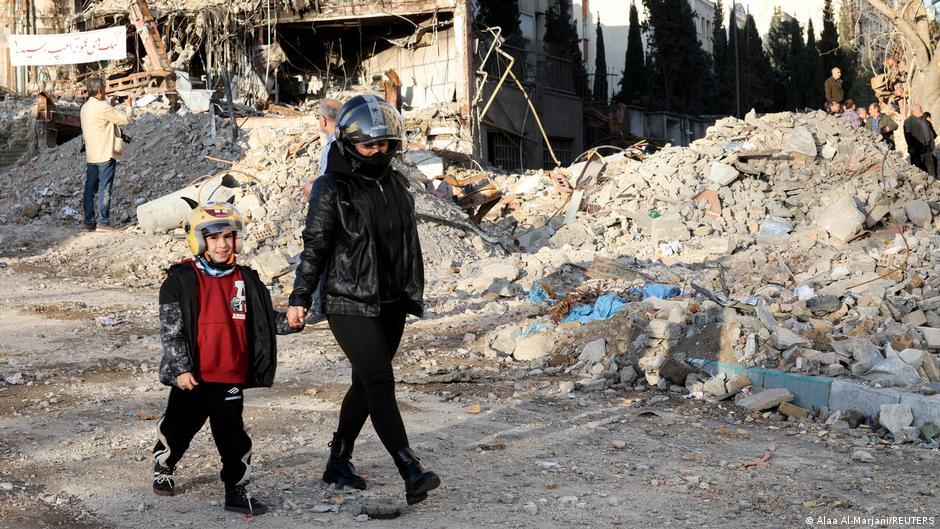
Extensive damage to regional energy infrastructure has already occurred, with Birol reporting at least 40 energy assets 'severely or very severely damaged' across oil- and gas-exporting countries. The destruction of these facilities has directly contributed to oil prices being driven above $100 per barrel over supply fears. The IEA chief highlighted the physical toll on energy infrastructure across nine countries in the region.
“At least 40 energy assets across the oil- and gas-exporting region have already been 'severely or very severely damaged', Birol said, with oil prices driven above $100 a barrel over supply fears.”
A Cambodian energy supplier announced it would halt sales of liquefied petroleum gas due to war-linked supply disruptions. This demonstrates how the conflict's impact extends beyond the immediate region. The infrastructure damage represents escalation in economic warfare aspects of the Middle East conflict.
Escalating Conflict
The conflict has escalated with tit-for-tat threats between US and Iranian leadership, creating a dangerous standoff. President Trump demanded Iran reopen the Strait of Hormuz within 48 hours, prompting a firm response from Tehran. Iranian parliament speaker Mohammad Bagher Ghalibaf vowed vital regional infrastructure will be 'irreversibly destroyed' if Trump acts on his threat.
Israel has expanded its ground campaign against Hezbollah in Lebanon, warning of 'weeks of fighting' in the country. Israeli forces were ordered to destroy bridges used by Hezbollah to cross the Litani river.
Lebanese President Joseph Aoun called this 'a dangerous escalation' seen as a prelude to ground invasion. Trump has offered varying positions from considering 'winding down' the operation to threatening Iranian power plants.
Human Cost
The human cost of the escalating conflict continues to mount across the region. In Lebanon alone, the violence has killed more than 1,000 people according to the health ministry. Over a million individuals have been displaced from their homes in Lebanon.
“The violence in Lebanon has killed more than 1,000 people, according to the health ministry, with more than a million displaced.”
Iran has reported at least 3,230 people dead in the war including 1,406 civilians. These figures come from the US-based Human Rights Activists News Agency. Iranian missiles have successfully evaded Israeli air defenses to land in southern towns.
One missile landed about 5km from what is widely believed to be Israel's nuclear arsenal. The successful Iranian strikes raise concerns about further regional destabilization.