
IEA Fails to Stabilize Market with 400 Million-Barrel Release as Oil Prices Surge 6.4%
Key Takeaways
- IEA's 32 member countries agreed to release 400 million barrels from emergency reserves
- Global oil prices rose despite the 400 million-barrel release
- Release aimed to offset supply losses from the Iran conflict and Strait of Hormuz disruptions
Record IEA release
The International Energy Agency (IEA) on March 11 coordinated an unprecedented, unanimous decision to release 400 million barrels from member emergency reserves to calm turbulent oil markets, a move the agency framed as an extraordinary response to severe supply shocks.
“Wealthy nations pledge record release of emergency oil reserves in a bid to calm surging prices Wealthy nations pledge record release of emergency oil reserves in a bid to calm surging prices PARIS (AP) — A group representing many of the world’s wealthiest countries agreed Wednesday to release the largest volume of emergency oil reserves in its history, in a bid to counter the effects of the Iran war on energy markets and the halt of cargo shipping through the Strait of Hormuz”
The IEA said the release is the largest-ever coordinated intervention of its kind, with Executive Director Fatih Birol calling the action necessary given “unprecedented” oil-market challenges, and member governments — many of them G7 nations — participating in the decision.
The coordinated action follows months of regional attacks that have sharply disrupted flows through the Strait of Hormuz and forced consuming countries to mobilize emergency measures.
Price and volatility
Markets reacted sharply despite the intervention: U.S. WTI spiked into the low $90s on March 12 with an intraday gain of about 6.4%, while other reporting tracked much larger swings earlier in the week when Brent approached nearly $120 a barrel.
Several outlets documented violent intraday moves and observed that prices still climbed after the announcement in places, underscoring that the release did not immediately erase risk premia or speculative pressure.
Traders and analysts warned that sentiment and uncertainty — not just physical barrels — are driving the extreme volatility.
Effectiveness questioned
Analysts and market participants widely questioned how much immediate impact the release could have, calling parts of the action symbolic and pointing to major logistical and timing constraints.
“Back to Home Scan your phone to access Mobile browsing Scan and share on WeChat Share On March 11, the International Energy Agency (IEA) announced that 32 member countries would collectively release a total of400 million barrelsof strategic petroleum reserves, marking the largest emergency stock release since the agency's establishment in 1974”
Multiple sources called the stock release “symbolic” or insufficient, noting that national drawdown schedules, crude grades, tanker availability and refinery compatibility mean barrels will take time to reach the physical market.
U.S. procedures — including a roughly 13-day lag after a presidential drawdown order — and public estimates that the deliveries will be stretched over weeks or months fuelled skepticism that the move would quickly suppress prices.
Scale vs shortfall
The arithmetic and allocations undercut hopes the release would fully offset the crisis: the 400 million barrels far exceed 2022’s coordinated draw but still represent only a fraction of daily flows blocked by the Strait of Hormuz disruption.
The U.S. is slated to provide the single largest share — about 172 million barrels — while IEA members together hold more than one billion barrels in stock.

But analysts and official estimates suggest the intervention would at best cover a limited number of days of lost exports and would not materially plug a potential 11–16 million barrels-per-day shortfall if the disruption persists.
Wider implications
Beyond immediate market mechanics, outlets emphasized broader economic and geopolitical consequences: coordinated releases may calm markets temporarily, but analysts warned of persistent inflationary pressure, supply-chain strain and slower growth if the conflict endures.
“stock futures slipped”
Many reports stressed that the ultimate fix is a restoration of safe passage through the Strait of Hormuz and that the IEA action is a stopgap while diplomatic and security dynamics—including Tehran’s own statements tying free passage to an end to U.S. and Israeli operations—remain unresolved.
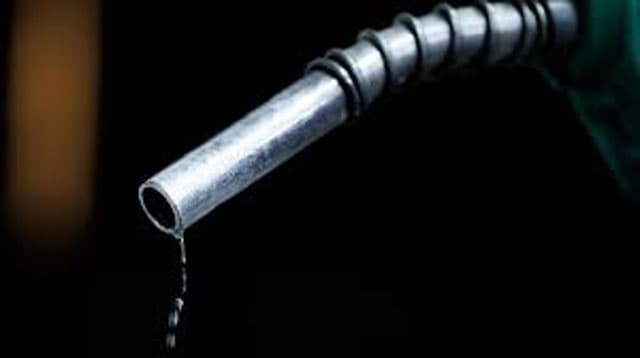
Analysts noted emergency stock releases are intended to prevent shortages and extreme volatility, but that the magnitude and duration of the current crisis make longer-term economic risks substantial.
More on USA

Suspect Rams Vehicle Into Michigan Synagogue, Opens Fire; Security Fatally Shoots Suspect
19 sources compared

FBI Warns Iran Could Launch Drone Attack on California From Offshore Vessel
10 sources compared

Pentagon: Trump's Iran War Cost US $11.3 Billion in First Week
12 sources compared

IEA Agrees To Release Record 400 Million Barrels From Emergency Oil Reserves Amid Iran War
12 sources compared