
Pentagon: Trump's Iran War Cost US $11.3 Billion in First Week
Key Takeaways
- Pentagon reported the U.S. spent $11.3 billion in the war's first six days
- About $5.6 billion of munitions were expended in the first 48 hours
- U.S. forces suffered several deaths and about 140 wounded
First-week cost disclosure
Pentagon officials told senators in a closed-door Capitol Hill briefing that the opening week (described variously as the first six days or the first week) of the U.S. military campaign against Iran cost more than $11.3 billion, a figure repeatedly reported by multiple outlets and explicitly described as excluding many costs tied to the pre‑strike buildup and therefore likely to rise as the Pentagon continues accounting.
“Pentagon says first week of Iran war cost the US $11”
The New York Times was cited in reports to Congress and news outlets for the $11.3 billion estimate, and the briefing setting and omission of buildup costs were highlighted by a range of outlets from regional to mainstream press.

Munitions and weapon costs
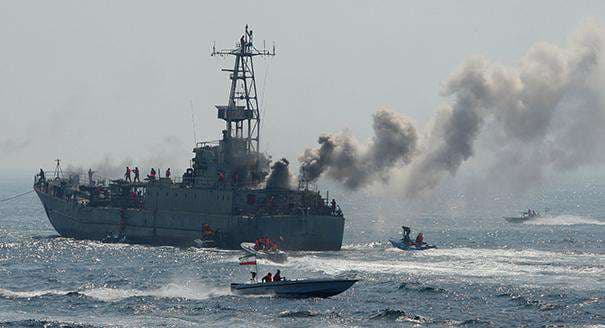
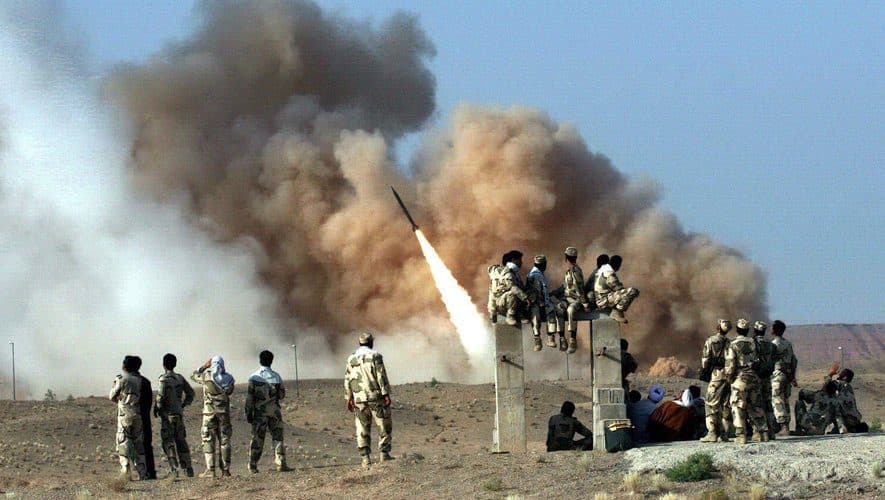
Lawmakers were told that the U.S. military expended an enormous quantity of high‑value munitions in the opening days—about $5.6 billion worth in the first two days alone—with reporting flagging specific expensive weapons (including AGM‑154 glide bombs and Tomahawk cruise missiles) and analysts warning of large replacement bills.
Reporting across outlets highlighted both the $5.6 billion munitions figure and the unit costs of weapons used in the initial strikes.
Congressional reaction
The financial revelations have already triggered congressional concern and expectations of additional funding requests from the White House, with aides and officials telling reporters that the administration is likely to seek supplemental war funds—some estimates cited internally by officials reached as high as $50 billion—and Democrats publicly demanding fuller answers and hearings.
“Meanwhile, Iran targeted Gulf nations including Dubai, Kuwait and Bahrain”
Lawmakers said they left briefings dissatisfied and wanted clearer strategy and justifications before approving further appropriations.
Trackers and impacts
Independent trackers and regional reporting suggest the fiscal toll may already be higher than the Pentagon’s preliminary figure and that the conflict is driving significant economic and humanitarian costs.
A cost‑tracker website showed more than $17 billion and a $1 billion‑per‑day burn rate, analysts and outlets reported rising domestic gas prices and disruptions to Gulf oil flows, while regional agencies cited heavy civilian casualties inside Iran and across the neighbourhood.
Justification and uncertainty
Beyond the budget numbers, reporting raised questions about the war’s stated justification, domestic political backing and how long the campaign will last: several outlets cited Pentagon disclosures that there was no clear intelligence showing Iran planned an imminent strike on the U.S., reporting that President Donald Trump has struggled to convince the public his preemptive action was necessary and noting inconsistent remarks from the president about the conflict’s duration.
“With neither side yielding, the war is following an unpredictable course, and a clear endgame remains elusive, AP reported”
Those strains complicate Congress’s appetite to approve large, open‑ended funding packages.

More on USA

FBI Warns Iran Could Launch Drone Attack on California From Offshore Vessel
10 sources compared

IEA Agrees To Release Record 400 Million Barrels From Emergency Oil Reserves Amid Iran War
12 sources compared

IEA Fails to Stabilize Market with 400 Million-Barrel Release as Oil Prices Surge 6.4%
19 sources compared

Artist Secret Handsake Installs Titanic-Pose Statue of President Trump With Jeffrey Epstein on National Mall
15 sources compared