IMF Upgrades UK Growth Forecast as Iran War Economic Impact Eases
Key Takeaways
- IMF upgrades UK growth forecast in July World Economic Outlook update.
- Iran war's economic impact is expected to be milder than feared.
- Update finalised before latest outbreak of hostilities in the Middle East.
IMF, oil, and war risk
The International Monetary Fund upgraded its growth forecast for the UK while leaving those for other G7 countries weaker or unchanged, saying the economic impact of the Iran war may be less severe than feared.
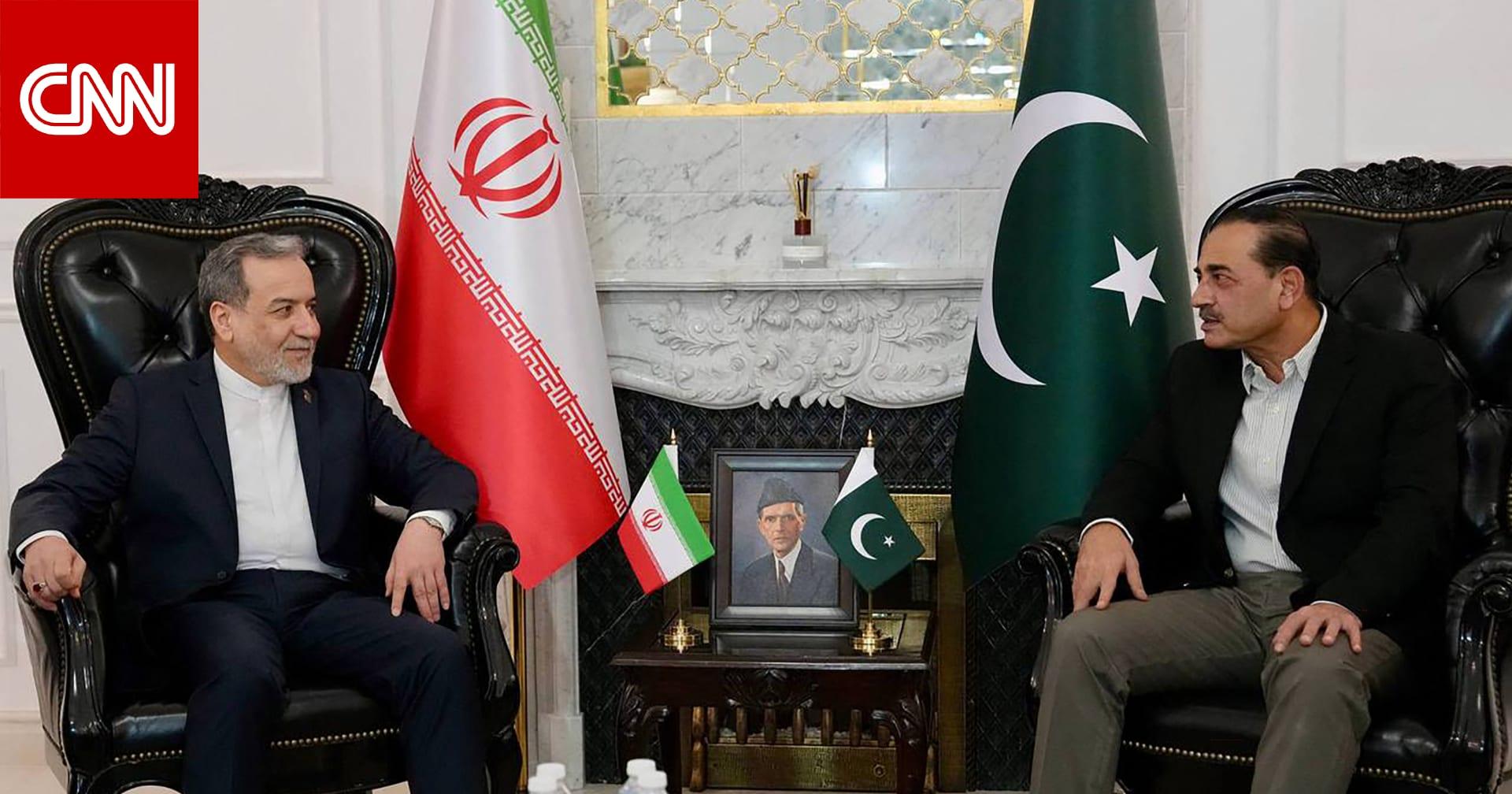
“CNN — Iranian Foreign Minister Abbas Araghchi welcomed Pakistani Army Chief General Asim Munir, who is visiting Tehran, for consultations and exchange of views with Iranian officials on reaching an agreement with the United States to end the war”
In a July update of its World Economic Outlook, the IMF projected UK gross domestic product to grow by 1% this year and said the modest upgrade reflected the effects of the war being partly offset by accelerated demand-driven momentum in the global technology cycle, “thanks to advances in artificial intelligence (AI) and its adoption,”.
The IMF also warned that “renewed conflict would propagate through a further increase in commodity prices and extended volatility, supply shortages, and exchange rate pressures,” and said the full effects of the crisis affecting fertiliser prices as well as the cost of fuel “has yet to be felt”.
The Guardian reported that global oil prices had fallen sharply since a memorandum of understanding between the US and Iran last month, but prices surged on Wednesday after Donald Trump described the ceasefire as “over”.
The Guardian added that Burnham, expected to take office on 17 July, would face early questions about plans for tax and spend, while Reeves responded to the IMF report by saying: “Our choices mean the economy is in a better position to deal with the costs of the war in Iran while kickstarting long-term growth by focusing on our three big choices – boosting AI, regional growth and strengthening trade with the EU.”
Strait of Hormuz and threats
Radio Free Europe/Radio Liberty described how the unraveling of a 60-day memorandum of understanding exposed unresolved disputes over who controls one of the world’s most strategic waterways, the Strait of Hormuz.
Noam Raydan, the William Sudhaus Senior Fellow at The Washington Institute for Near East Policy, told RFE/RL that “the memorandum of understanding was very unclear” on the future management of the Strait of Hormuz.

RFE/RL also reported that Donald Trump warned Tehran that it will face further strikes if it launches any further attacks on vessels in the Strait of Hormuz, saying, “If it happens again, it will get much worse!”
The same RFE/RL account said the US military said it had started conducting additional strikes against Iran to further degrade its ability to threaten freedom of navigation in the Strait of Hormuz, and it said the United States was holding Iran accountable for “recent unjustified aggression against commercial shipping and civilian crews freely navigating a vital international waterway.”
RFE/RL further stated that Trump said the US military attacked Kharg Island on July 7 and could take over the key oil hub, describing Kharg Island as the main loading and export point for Iranian oil and its military facilities.
Diplomacy, negotiations, and positions
CNN Arabic reported that Iranian Foreign Minister Abbas Araghchi welcomed Pakistani Army Chief General Asim Munir, who is visiting Tehran, for consultations and exchange of views on reaching an agreement with the United States to end the war.
“The recent war waged by the United States and Israel against Iran, which began in February 2026, not only failed to achieve its stated objectives but also fundamentally transformed the security order of the West Asian region”
CNN Arabic said official Iranian media reported the meeting held on Friday evening and lasting late into the night exchanged views on initiatives to prevent escalation of tensions and to end the war between the United States and Israel with Iran, and it said IRNA described the discussions as strategies to bolster peace, stability, and security in the West Asia region.
CNN Arabic also quoted Tasnim News Agency, which said a knowledgeable Iranian source added that negotiations and consultations on disputed issues are ongoing and that “no final result has yet been reached,” while the source said an agreement will not be reached unless all disputed issues are resolved.
In a separate account, the Iranian Foreign Ministry spokesperson Ismail Baghaei said, “no one can claim that we have approached reaching an agreement,” adding that “the repeated changes in the positions of American officials confuse any negotiations.”
Baghaei also stressed that “a cessation of war on all fronts, including Lebanon, will be one of the elements of any potential understanding,” framing Israel as “the fundamental and exclusive factor of insecurity in the region” in comments carried by Iran International.
More on Iran
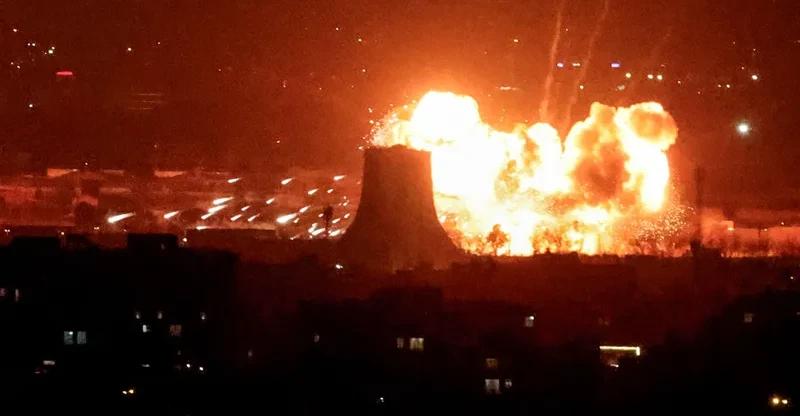
United States Launches New Airstrikes on Iran as Iranian Fire Targets Bahrain, Kuwait, Qatar
12 sources compared

US Central Command Strikes Iran, Explosions Reported in Bandar Abbas, Sirik, Konarak, and Chabahar
19 sources compared
U.S. Launches New Strikes On Iran After Trump Says Ceasefire Is Over
66 sources compared
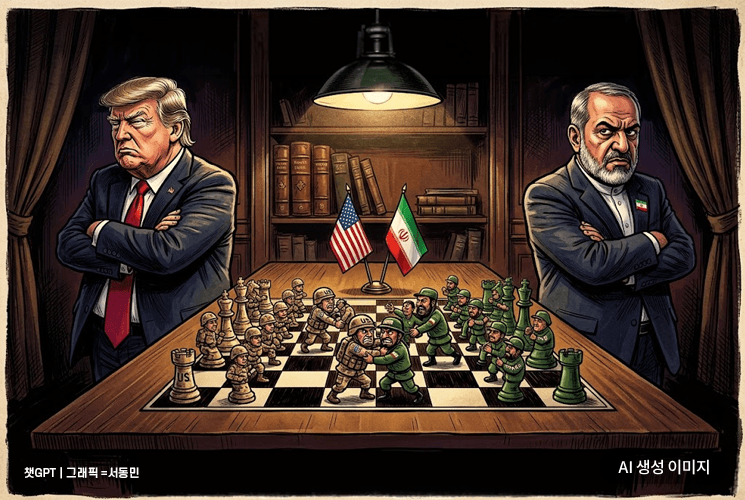
U.S. Carries Out Second Consecutive Airstrikes on Iran After Trump Ends Ceasefire
12 sources compared