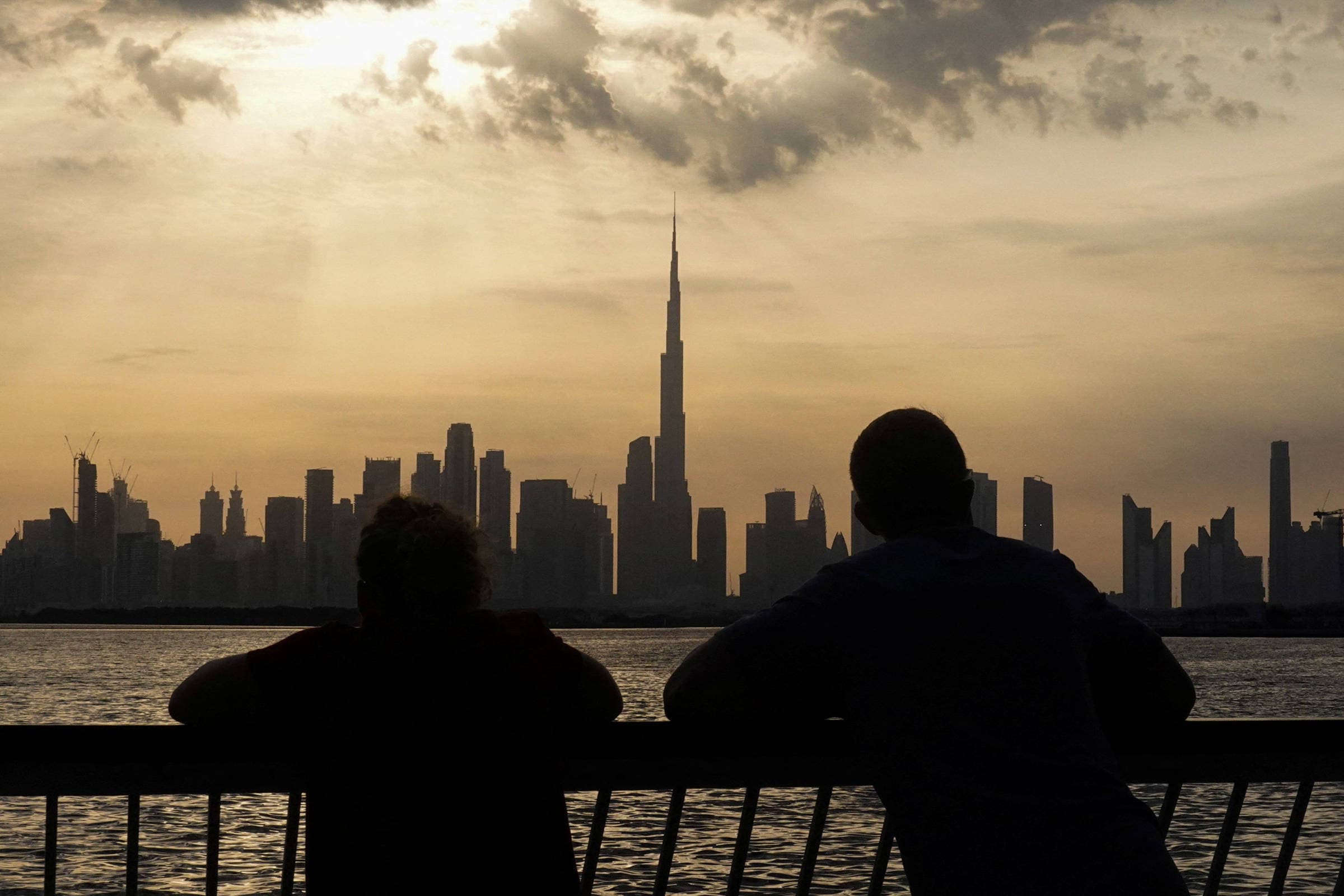
Immigrants pay the highest price for the war: they constitute the majority of civilians killed in Gulf countries.
Key Takeaways
- Immigrant workers make up the majority of civilian fatalities in Gulf countries.
- Many Gulf immigrants work abroad for decades, such as a Pakistani driver in the UAE.
- Some migrant workers send modest remittances, exemplified by $300 monthly sent to Pakistan.
Individual victim story
Murib Zaman worked as a driver in the United Arab Emirates for two decades, living more than 1,600 km away from his family in northwest Pakistan and sending $300 — a little over R$1,500 — home every month.
“Murib Zaman worked as a driver in the United Arab Emirates for two decades, living more than 1,600 km away from his family in northwest Pakistan and sending $300 — a little over R$1,500 — home every month”
The well-kept city of Abu Dhabi seemed much safer than his remote village, where Pakistani Taliban militants roamed freely.
His family received the news that he had been killed in a distant war — struck by debris from an intercepted Iranian missile, according to a statement from the United Arab Emirates — and they were in shock.
Zaman was about 40, and his cousin Farman Khan said in a phone interview: "Every family wants to send its young people to the Middle East because there are no jobs here, and the security situation is difficult, but now it seems that even those countries are no longer safe."
Scale of attacks and targets
Since the U.S.-Israeli attack on Iran began, Iran has fired hundreds of missiles and drones in retaliation against Gulf neighbors, and immigrants have paid a high price.
At least 12 civilians have been killed in attacks in the UAE, Saudi Arabia, Kuwait, Qatar, Oman and Bahrain, according to a New York Times tally based on official sources, and all but one of those killed were foreigners.
The first death of a Gulf citizen was announced on Tuesday (3), when Bahrain’s Interior Ministry said an Iranian attack on a residential building had killed a 29-year-old woman.
Iranian authorities say they are targeting U.S. military bases and U.S. interests in Gulf countries, not civilian targets, but the attacks have struck civilian infrastructure — setting fire to five-star hotels and damaging a vital desalination plant — and interceptions can cause shrapnel to fall with deadly effect.
Migrant vulnerability
Migrant workers form the backbone of Gulf economies and account for a large share of local populations, which helps explain why most civilian victims have been foreigners.
“Murib Zaman worked as a driver in the United Arab Emirates for two decades, living more than 1,600 km away from his family in northwest Pakistan and sending $300 — a little over R$1,500 — home every month”
In Saudi Arabia foreign residents represent about one-third of the population, and in the UAE and Qatar the proportion is estimated between 80% and 90%.
Low-income migrant workers live in overcrowded housing with insufficient exit routes, putting them at greater risk if explosions or fires occur, and they disproportionately hold essential jobs — supermarket cashiers, sanitation workers and delivery drivers — that require them to keep working while many citizens and wealthier foreign residents can shelter.
The article recounts another specific death: on Sunday (1) Mosharraf Hossain, a cleaner from Bangladesh and father of two, was killed along with a coworker when a military projectile fell in the company’s housing area in Saudi Arabia, according to the kingdom’s civil defense authority and Hossain’s cousin, and his cousin Mizanur Rahman said his family is especially worried about the children’s future because he was the sole provider.
Daily life and choices
Daily life in some Gulf cities continued with striking normality even as attacks and alerts multiplied, and migrants faced hard choices about whether to stay or leave.
In the Emirates four people have been killed and more than 100 injured, but Dubai life carried on: an emergency alert asked residents to shelter while interceptors targeted missiles, yet Dubai Hills Mall remained open, families queued for lunch, children played and a Pilates studio had a waiting list.
Migrants described fear and practical adjustments — Majid Ali, 34, said workers ran from accommodations and workplaces when explosions occurred, and Marigold Tan, 38, a Filipina coordinator in Dubai, said she prepared emergency bags, kept passports on hand, and began teaching her eldest child what to do when attack alerts sound, but she chose to stay because Dubai still offered more than the Philippines.
The article notes that leaving is often not an option for the lowest-paid migrants, who are trapped by work contracts, debts or family obligations, and that despite the risks — and the more common problems of abuse and exploitation — migrants continue to come because the remittances they send home are a lifeline.
More on Iran
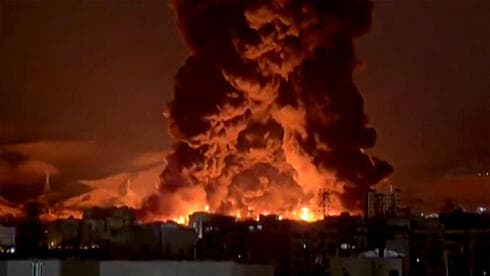
US obliterates military targets on Iran’s Kharg Island, Trump warns
13 sources compared
US Deploys About 2,500 Marines to Middle East After Iran Attacks Gulf Shipping
33 sources compared
FBI Warns of Iranian Drone Plot Based on Unverified Tip; California Says No Credible Threat
10 sources compared

White House Demands ABC Retract Report Claiming Iran Sought To Launch Drone Attacks On California
11 sources compared