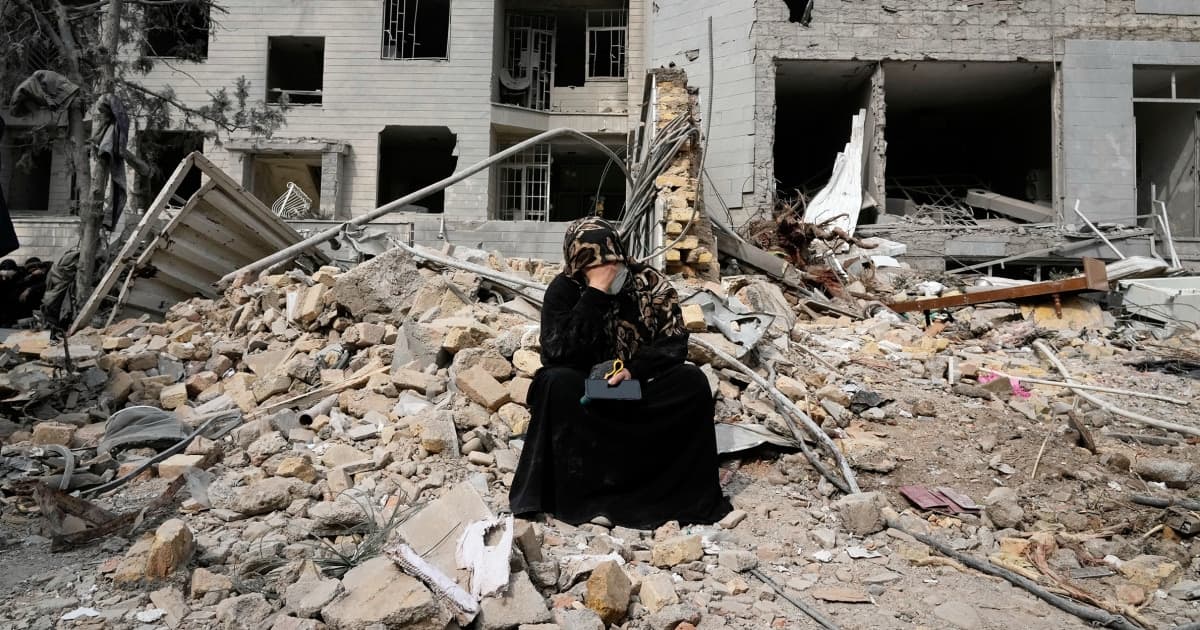
In Tehran, hope for change turns to panic: 'They are turning the country into ruins'
Key Takeaways
- Iran's security forces violently cracked down on protesters in January
- U.S. and Israeli strikes bombarded neighborhoods near Tehran residents' homes
- Residents who previously wanted retaliation now regret it and fear the country being ruined
Tehran under bombardment
The U.S. and Israeli military have targeted multiple locations across Iran, and Tehran — a bustling, densely packed metropolis of some 10 million people — has felt the strikes most acutely.
“Hoda was so furious over Iran’s violent crackdown on protesters in January that she wanted the country’s security forces to be attacked as payback”
As of Thursday, more than 1,200 people had been killed by Israeli and American strikes, according to the Iranian Red Crescent Society.
The bombings have damaged historical cultural sites such as the Golestan Palace and struck oil facilities, producing thick smoke, black rain that leaves a slimy residue on cars, and toxic fires that have changed daily life in the capital.
Many residents now avoid the streets, and routine congestion has been replaced by long traffic jams or empty roads as people shelter indoors.
Hoda: regret and hardship
Hoda, 40, said she initially supported violent payback against Iran’s security forces after the January crackdown on protesters but reversed course after bombs began falling near her Tehran home and now regrets that stance.
She lives with her 45-year-old brother, Hadi, and their elderly parents in central Tehran and described a greasy film on her windows and a lingering toxic smell from recent fires.
Hoda said her carpet-weaving machine import business has been hit hard over the past year, banks keep limited hours, ATMs have a daily withdrawal limit of 500,000 tomans (roughly $3), and prices on basic goods have risen about 10% since the war started.
Lives and livelihoods lost
Hadi, 45, saw his tourism company fold after the war last summer, compounded by nationwide protests and persistent internet cuts over the past year; his 13-year-old daughter and his ex-wife moved to the Caspian Sea coast where many Tehran residents have fled in recent weeks.
“Hoda was so furious over Iran’s violent crackdown on protesters in January that she wanted the country’s security forces to be attacked as payback”
Residents like Kianoosh, 46, a documentary filmmaker who moved in with his parents to protect them, described nonstop explosions and the loss of projects — including a planned documentary about Asiatic cheetahs — as impossible amid two wars and mass protests.
Kianoosh said there have been some power cuts but not yet the massive blackouts and water shortages that hit Tehran last year, and he told reporters he now lives off savings and worries the country could be left in an uncertain limbo if both sides declare victory and depart.
Social and economic strain
Amin, 42, a café owner, said his business has been busy as his café became a late-night hangout during Ramadan where people discuss the war and smoke qalyoon water pipes, and authorities have not harassed him about men and women mixing there.
Many residents rely on satellite news and paid VPNs — Hoda said she pays 3.8 million tomans (about $23) per month for a VPN — to follow events and the diaspora’s debates, including talk about former Crown Prince Reza Pahlavi, which some Tehran residents see as out of touch with life under bombardment.
Overall, residents expressed deep worry about the long-term economic impact: a fragile economy teetering before the war now faces business closures, disrupted schooling (one child missed more than 100 days), rising prices, and questions about how the country will recover if the conflict continues.
More on Iran
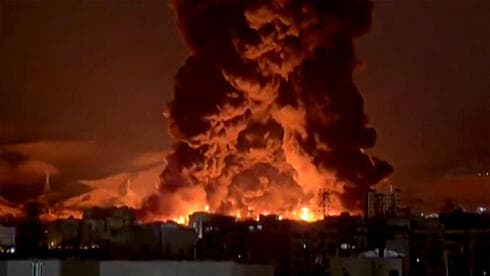
US obliterates military targets on Iran’s Kharg Island, Trump warns
13 sources compared
US Deploys About 2,500 Marines to Middle East After Iran Attacks Gulf Shipping
33 sources compared
FBI Warns of Iranian Drone Plot Based on Unverified Tip; California Says No Credible Threat
10 sources compared

White House Demands ABC Retract Report Claiming Iran Sought To Launch Drone Attacks On California
11 sources compared