India14 April, 20261 min read
India Proposes Constitutional Amendment To Expand Lok Sabha To 850 Seats
This article is an automated aggregation of coverage from news outlets. Our editorials offer in-depth analysis curated by the NewsCord team.
131st Amendment Bill would raise Lok Sabha to 850 seats. Not more than 815 members from states and up to 35 from UTs.

Lok Sabha Expansion
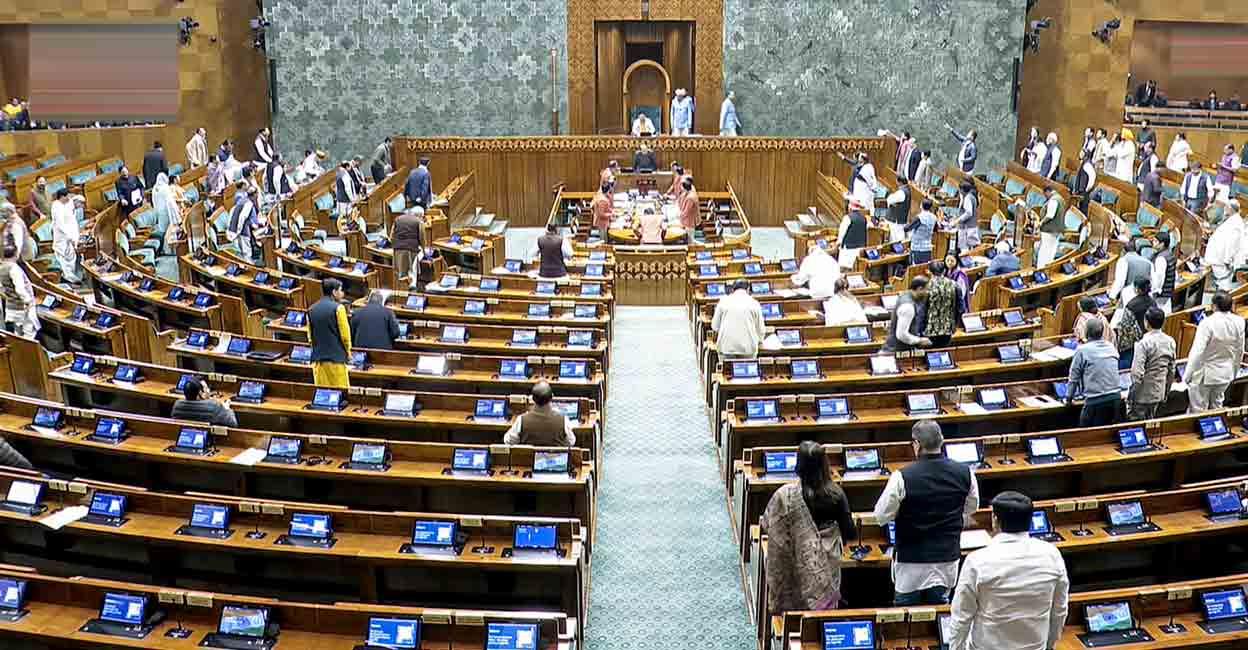
The Indian government has proposed a constitutional amendment to increase the Lok Sabha's strength from 543 to 850 members. The amendment removes the long-standing freeze on seat allocation based on the 1971 Census. The Bill links the expansion to the implementation of the Women's Reservation Act, providing 33% reservation for women.
The Delimitation Commission will be chaired by a Supreme Court judge and include election officials. Orders of the Commission will have the force of law and no judicial challenge allowed.

Political Reactions
The proposal has triggered political controversy and opposition pushback. Tamil Nadu Chief Minister MK Stalin warned of massive agitations if southern states' interests are harmed. Congress general secretary Jairam Ramesh accused the government of making a complete mockery of democracy.
Sonia Gandhi called the delimitation proposal extremely dangerous and an assault on the Constitution. Yogendra Yadav warned the bill opens the floodgates for a total reallocation of seats.
Delimitation and Reservation
The Bill standardises the definition of population across provisions. Seats reserved for women will be allotted by rotation among different constituencies. Seats reserved for Scheduled Castes and Scheduled Tribes will rotate within reserved constituencies.
The Union Territories Laws (Amendment) Bill makes corresponding changes to UTs. The shift to population-based readjustment may affect the distribution of seats among states.