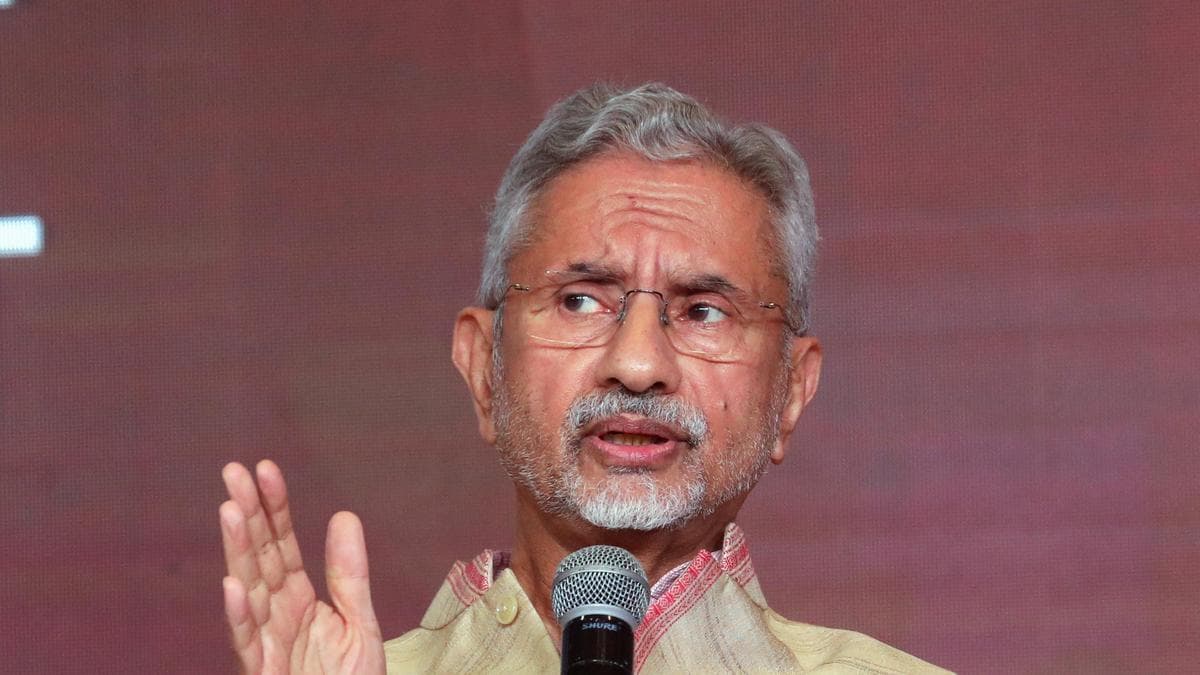
India says talks with Iran secure passage for its ships through the Strait of Hormuz
Key Takeaways
- India says talks with Iran are helping secure passage through the Strait of Hormuz.
- Jaishankar publicly praises talks as effective in restarting Strait of Hormuz shipping.
- Strait of Hormuz shipping restoration is the central aim of India-Iran talks.
Diplomatic Success
India has successfully employed diplomatic negotiations with Iran to secure safe passage for its vessels through the strategically vital Strait of Hormuz.
“Accessibility helpSkip to navigationSkip to main contentSkip to footer > India hails talks with Iran to open Strait of Hormuz Subscribe to unlock this article Try unlimited access Only £1 for 4 weeks Then £59 per month”
This represents a significant alternative to the military solutions proposed by other nations.

Foreign Minister Subrahmanyam Jaishankar confirmed that direct talks with Tehran have already produced tangible results.
Indian-flagged ships have been able to navigate the waterway amid escalating tensions and disruptions to global energy shipments.
The minister emphasized that India's approach stands in contrast to calls for military intervention.
He highlighted the effectiveness of diplomatic engagement in resolving the crisis that has threatened global energy supplies.
Specific Ship Success
The tangible results of India's diplomatic efforts were demonstrated through the successful passage of two specific Indian-flagged liquefied petroleum gas carriers.
These were the Shivalik and Nanda Devi, which carried approximately 92,712 metric tons of LPG through the strait on March 14, 2026.
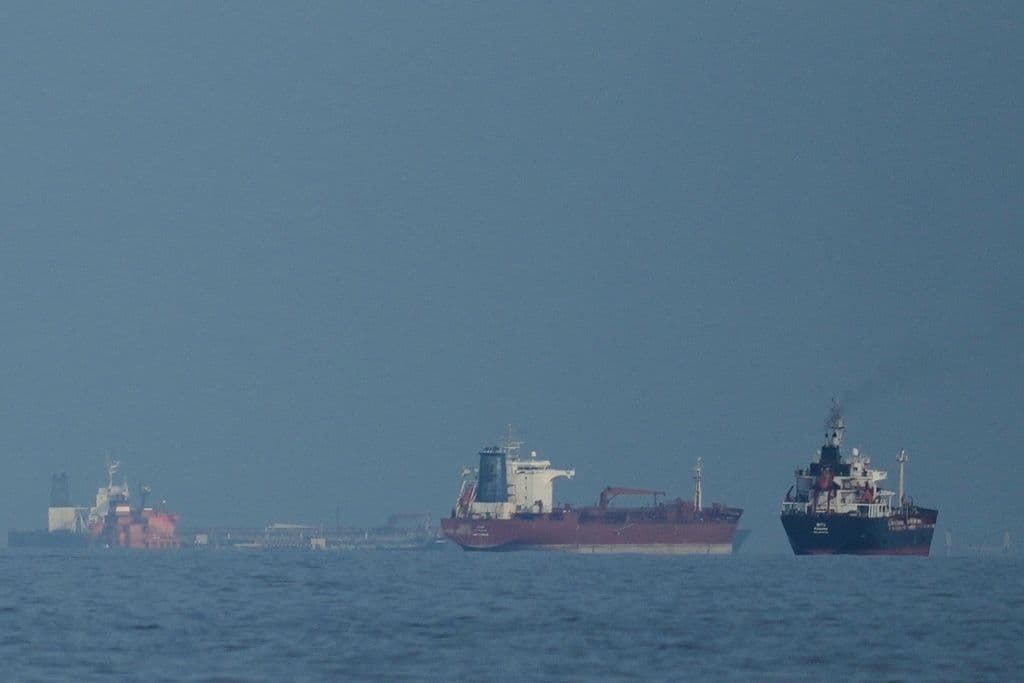
Jaishankar pointed to this specific case as concrete evidence of what diplomatic coordination could achieve.
The ships successfully navigated the critical waterway en route to India.
The successful transit of these vessels carrying vital energy supplies provided immediate practical benefits to India's energy security.
This demonstrated that direct engagement with Iran could produce measurable results in the ongoing crisis.
Military vs Diplomatic
India's diplomatic approach contrasts sharply with the military solution advocated by U.S. President Donald Trump.
“Minister of External Affairs S”
Trump urged major powers including China, France, Japan, South Korea, and Britain to send warships to the Strait of Hormuz.
He called for help to reopen the waterway amid Iran's closure of key energy routes.
Jaishankar explicitly rejected such military approaches, positioning bilateral negotiations as more effective.
The Indian foreign minister stressed that his country's engagement with Tehran reflects longstanding bilateral relations.
He emphasized that diplomacy rather than military force remains India's preferred method for resolving the crisis.
No Concessions
Jaishankar clarified that India's diplomatic success does not involve any formal agreements or concessions.
He emphasized that the arrangement is strictly bilateral and transactional rather than a comprehensive settlement.
The foreign minister explicitly stated that there is no 'blanket arrangement' with Tehran for Indian vessels.
He noted that 'every ship movement is an individual happening.'
Jaishankar firmly rejected suggestions that any concessions had been offered in exchange for safe passage.
He declared 'it's not an exchange issue,' reflecting India's nuanced diplomatic strategy.
This approach allows India to secure national interests through targeted engagement while avoiding broader geopolitical conflicts.
International Replication
When questioned about European countries replicating India's approach, Jaishankar acknowledged different relationships.
“- i24NEWS - International - Asia & Pacific - India says talks with Iran are helping secure shipping through Strait of Hormuz India says talks with Iran are helping secure shipping through Strait of Hormuz Foreign Minister Jaishankar says negotiations have “yielded some results” as countries weigh responses to Iran's closure of key energy routes India’s Foreign Minister Subrahmanyam Jaishankar said negotiations with Iran have helped secure safe passage for some Indian vessels through the Strait of Hormuz, describing the talks as productive amid rising global concerns over disruptions to shipping”
He stated that each relationship with Iran 'stands on its own merits,' making direct comparisons difficult.
However, he expressed willingness to share India's experience with EU capitals.
The minister noted that many European nations had also held talks with Tehran.
This suggests India recognizes different countries may need tailored approaches.
These should be based on unique historical relationships and strategic interests with Iran.
India's flexible diplomatic posture allows for potential coordination while maintaining independence.
More on India

Indian-Owned Sunrisers Leeds Sign Pakistan Spinner Abrar Ahmed, Breaking IPL-Linked Teams' Boycott
10 sources compared
EAM Jaishankar Holds Calls With Iran’s FM Abbas Araghchi to Secure Strait of Hormuz Shipping
11 sources compared

Prime Minister Narendra Modi and President Luiz Inácio Lula da Silva Sign Rare Earths, Digital and Mining Deals, Set Bilateral Trade Goal of $20–30 Billion
16 sources compared
Trump Announces U.S. Will Cut Tariffs on Indian Exports to 18% in Trade Deal
11 sources compared