
India Seeks Lithium Access Through Critical Minerals Projects in Bolivia and Chile
Key Takeaways
- India seeks lithium access through critical-mineral projects in Bolivia and Chile.
- India's National Critical Mineral Mission aims to boost domestic graphite mining and EV battery supply.
- Argentina-India cooperation will explore lithium, copper, and gold via joint teams.
India eyes Bolivia and beyond
India is considering potential projects to extract critical minerals in Bolivia, with the Indian Ministry of Mines secretary Shri V. L. Kantha Rao telling the Financial Times that “in particular, the India seeks to strengthen its access to the litio.”
“Based on facts observed and verified directly by our journalists or by informed sources”
The same report says India is also considering implementing critical mineral projects in Chile and Bolivia, and notes that in 2019 President Ram Nath Kovind arrived in Bolivia with a delegation of more than 100 people to negotiate commercial agreements including mining and industry automotriz.
In November 2023, Yacimientos de Litio Bolivianos (YLB) signed a convention with Altmin, an Indian company, to develop technology for active materials used in lithium-ion batteries, alongside importing knowledge and training for Bolivian technical and scientific personnel.
Rao also said India plans to center approximately half of its exploration projects planned for the next year on minerals including grafito, molibdeno, níquel, cobalto, litio y potasio, and he linked the push to “La importancia, la demanda y la necesidad de minerales críticos están aumentando de manera exponencial.”
The Visión 360 report adds that India announced it had acquired five lithium blocks in Argentina, and that the state firm Khanij Bidesh India Ltd (Kabil) signed an agreement with Catamarca Minera y Energética Sociedad del Estado (Camyen) in Argentina’s northwest.
Mission and numbers for graphite
India launched the National Critical Mineral Mission (NCMM) in January 2025, described as a seven-year effort with an outlay of 343 billion rupees ($3.7 billion) to strengthen energy security and reduce import dependency for battery supply chains.
ChemAnalyst says the NCMM aims to “auctioning over 100 critical mineral blocks” and to undertake “1,200 exploration projects by 2030-2031,” while also promoting domestic processing and refining by waiving customs duties on 25 critical minerals and reducing them on two others.
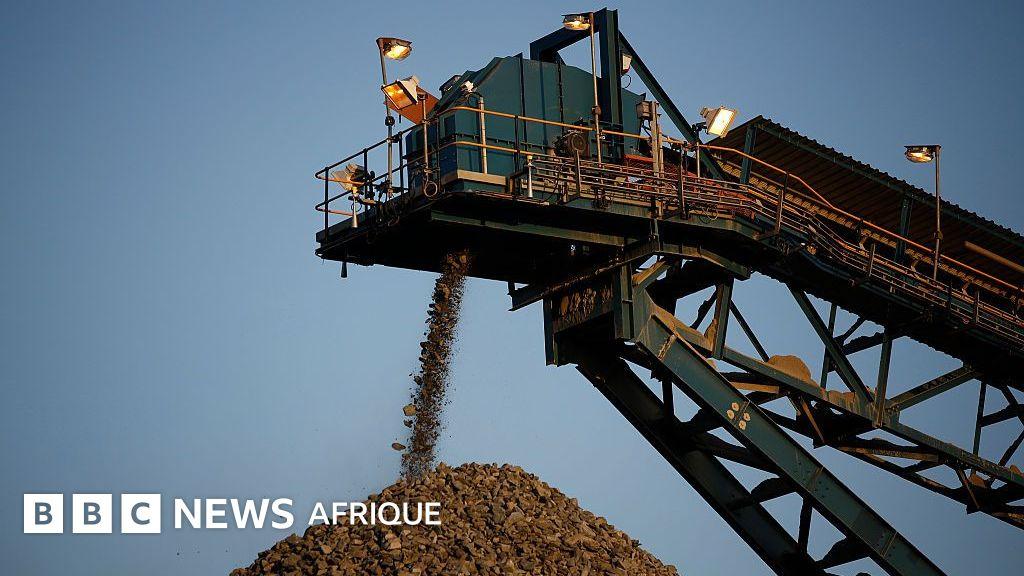
The same article frames graphite as central to clean technology equipment, noting that India “largely depends on imports for battery-grade graphite,” with China holding a dominant position in the global supply chain.
ChemAnalyst also says India has forged partnerships with 35 nations, including the United States, Australia, Canada, Germany, and France, to secure access to critical resources and enhance technological cooperation.
It further reports that the graphite market was valued at more than $13.94 billion in 2025 and is expected to exceed $28.2 billion by 2035, with a CAGR of over 7.3% during 2026 to 2035.
Africa’s minerals and Europe’s risk
A separate analysis in The Conversation describes how mining expansion in Africa accelerated from the second half of the 2010s as international investments rose, including from India, and it says Africa plays a significant role in the global mining boom even though investments there remain modest.
“Welcome To ChemAnalyst India launches National Critical Mineral Mission to boost domestic graphite mining, reduce import dependency, and strengthen EV battery supply chains”
It states that the energy-transition metals used in electrified vehicles, fuel cells, and wind and photovoltaic solar technologies account for nearly 29% of exports, and it adds that Africa holds more than 50% of the world’s cobalt reserves with 48% in the Democratic Republic of the Congo.
The BBC piece similarly frames critical minerals as central to global industry, saying Africa is estimated to hold about 60 different types of minerals totaling about one-third of the world’s mineral reserves across all minerals.
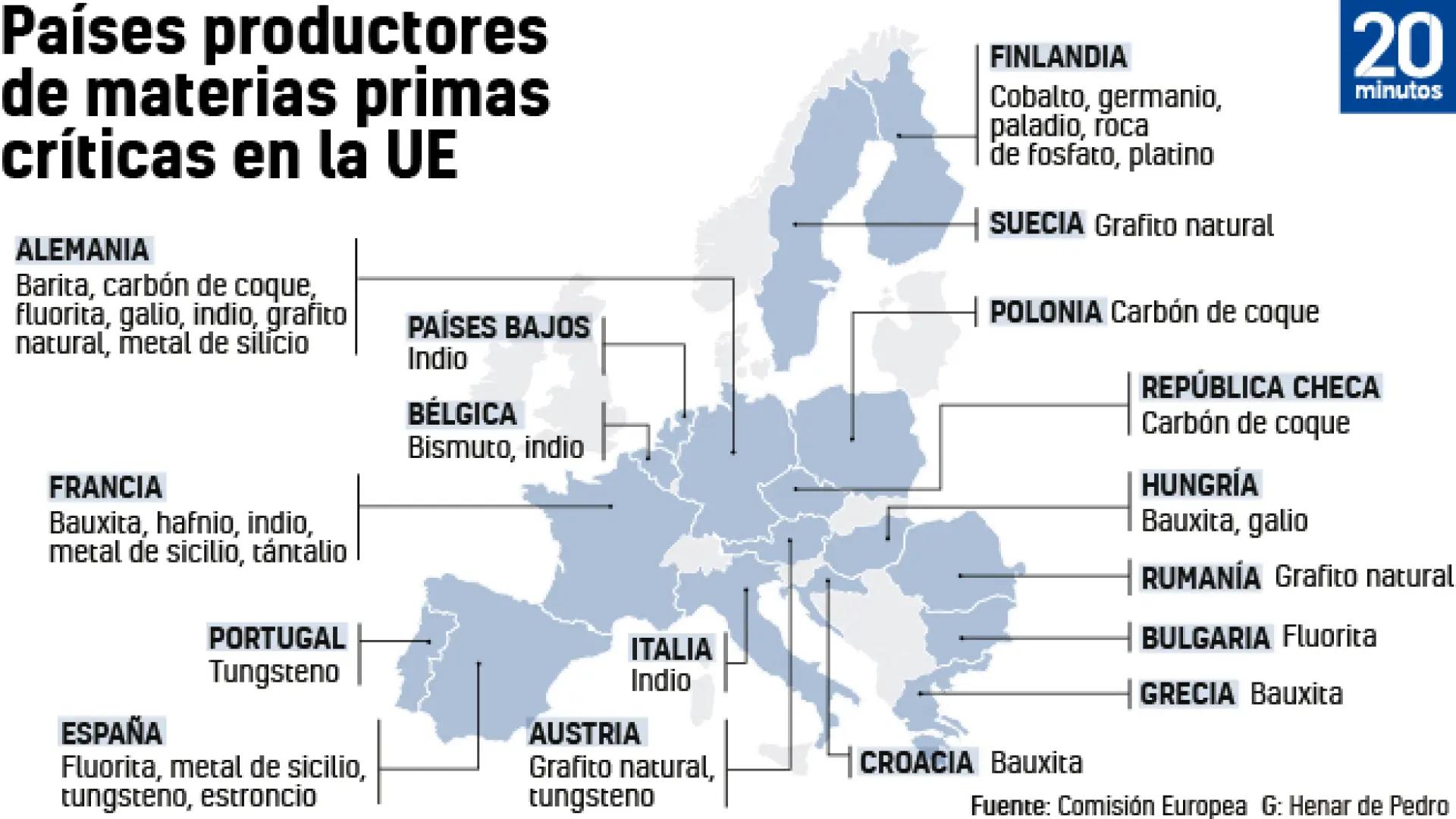
In Europe’s case, 20Minutos reports that the EU is 98% dependent on China for rare earths, while China holds 85% of the world’s rare earths, and it links the dependence to the push for renewable energy and technologies like solar panels and fuel cells.
20Minutos also quotes Ursula von der Leyen proposing a club of critical raw materials between the EU and countries such as the United States, the United Kingdom, or Canada to counter the Chinese monopoly.
More on Business

Paradigm Raises $1.2 Billion Fourth Fund for AI and Robotics, Continues Backing Crypto Startups
10 sources compared
Ugandan Farmers Sue TotalEnergies Unit In UK To Halt EACOP Pipeline
10 sources compared

Saudi Aramco Helicopter Crash Kills 14 People in Ras Tanura
27 sources compared

Disney Agrees To $50 Million Settlement Over ESPN Bundling On YouTube TV And DIRECTV
11 sources compared