Iran-Israel23 January, 20262 min read
India Votes Against UN Human Rights Council Resolution Condemning Iran's Deadly Crackdown
India voted against the UN Human Rights Council resolution condemning Iran's crackdown. UN Human Rights Council adopted a resolution condemning Iran's violent crackdown and expanding investigations.

10 outlets told this the same way.
Outlets did split on U.S. Intercepts Iran Message Activating Sleeper Cells After U.S.-Israel Strike Kills Khamenei →
U.N. response to Iran protests
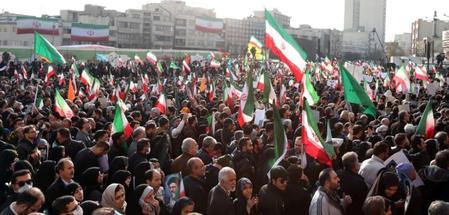
The U.N. Human Rights Council adopted a resolution in an emergency session condemning Iran's "violent crackdown on peaceful protests" and expanding investigative mandates after deadly unrest.
“India was one of the seven countries voting against the measure and did not issue an explanation.”
The measure passed 25-7 with 14 abstentions.

India was one of seven countries that voted against the resolution, joining opponents including China and Pakistan.
The vote renewed the special rapporteur on Iran and extended a fact-finding mission created after Mahsa Amini's death.
Several sources said the council action aims to document alleged rights abuses and collect evidence for possible future legal processes.
Contested casualty figures
Casualty and detention figures are sharply contested across reports. Iranian officials put the death toll at roughly 3,100 and often describe many victims as "terrorists," while activist groups and rights monitors cited by several outlets estimate deaths in the thousands or higher, with verified tallies of about 4,500-5,100 and warnings that the toll could be much larger as medical reports are examined. Coverage notes a communications blackout in early January hampered documentation, so casualty figures remain unverified and contested.
India's UN vote on Iran
Reports give differing explanations for India’s vote against the resolution. TheWire, citing Indian sources, says New Delhi dislikes country-specific UNHRC resolutions and wants to preserve ties with Tehran, especially to protect interests in the strategic Chabahar port amid U.S. policy pressure and a revoked Chabahar waiver. Republic World highlights Iran’s public gratitude, reporting that Iran’s ambassador thanked New Delhi on X for opposing the measure.
“Indian sources told The Wire the vote reflected New Delhi’s general dislike of country-specific UNHRC resolutions and its view that a special session was unnecessary; they also said India wants to preserve good relations with Iran to protect its interests in the strategic Chabahar port.”
Other outlets noted India was among a group of states that viewed the matter as internal or the council as politicized. TheWire also notes the vote is notable because it is reportedly the first time India voted against a U.N. investigative body related to Iran rather than abstaining.
Reactions to the vote
Tehran and international figures offered sharply different responses after the vote. Iran rejected the resolution as politicized, called the session invalid, and said it would conduct its own probe. International legal and rights figures urged accountability.
Multiple outlets quoted former U.N. prosecutor Payam Akhavan calling the crackdown possibly 'the worst mass murder in the contemporary history of Iran'. U.N. rights chief Volker Türk pressed for detainee protections and a halt to lethal tactics. Coverage juxtaposed Tehran’s rejection and domestic investigation pledges against calls from rights bodies and legal experts for independent international scrutiny.
Investigation and obstacles
The practical outcome is an expanded international investigatory effort but with continuing uncertainty. The council renewed and broadened mandates, renewing the special rapporteur for one year and extending the fact-finding mission for two years, to empower probes into alleged serious violations. Sources note funding, access and documentation challenges and divergent political views that may limit the investigation's impact.
“The resolution—presented by Iceland—renewed the special rapporteur on Iran for one year and extended a fact-finding mission (created in November 2022 after the death in custody of Mahsa Amini) for two years, empowering probes into alleged serious violations and crimes linked to the protests.”
Observers flagged that the internet shutdown impeded evidence collection and that some states argued the issue was internal, while Iran's domestic probe and diplomatic pushback complicate prospects for independent accountability. Analysts say India's vote against the extension reflects a mix of procedural preferences and bilateral considerations that could shape how the investigation proceeds.
