India04 November, 20252 min read
Indian Sikh Pilgrims Cross Into Pakistan in First Major Border Opening Since Deadly May Clashes
This article is an automated aggregation of coverage from news outlets. Our editorials offer in-depth analysis curated by the NewsCord team.
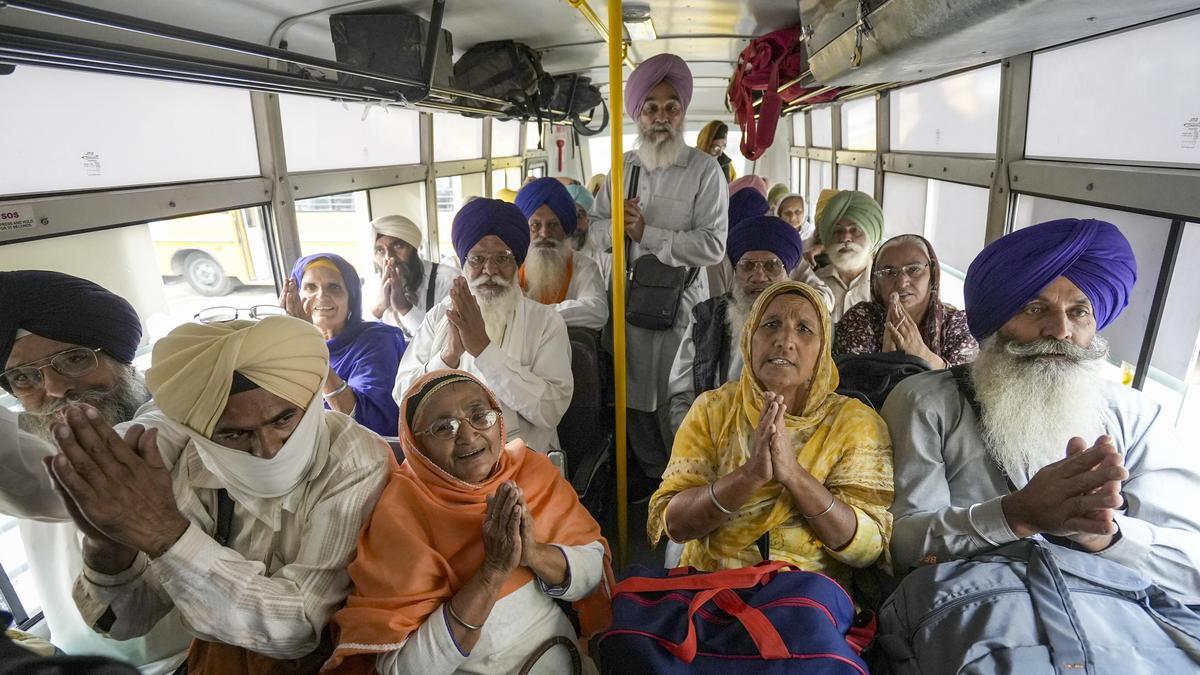
Dozens of Indian Sikh pilgrims crossed into Pakistan at Wagah border on Tuesday. The crossing is the first major border opening since deadly May clashes closed it.

5 outlets told this the same way.
Outlets did split on Three Indians Rescued From MV Royad Mammadov Attack Depart Romania For India →
Sikh Pilgrimage at Wagah–Attari Border
Pakistan welcomed dozens of Sikh pilgrims from India on November 4, 2025, marking the first major crossing at the Wagah–Attari land border since deadly clashes in May shut it down. Over 2,100 pilgrims were granted visas to attend a 10-day festival celebrating the 556th birth anniversary of Guru Nanak.
“On November 4, 2025, Pakistan welcomed dozens of Sikh pilgrims from India for the first major crossing since deadly clashes in May closed the Wagah-Attari land border between the two countries.”
The visitors crossed amid a security presence and were warmly received by Pakistani officials. While Pakistan handled the visa issuance and reception, Indian newspapers reported that New Delhi would permit certain groups to travel despite the ongoing closure of the Kartarpur Corridor.

India-Pakistan Border Clashes
The crossing follows a period of heightened tension. The May conflict closed the Wagah–Attari border and, according to TRT World, resulted in over 70 deaths. The Hindu frames the clashes as the worst India–Pakistan fighting since 1999, noting a security-heavy atmosphere around the reopening.
India accused Pakistan of supporting a terror attack in Pahalgam, an allegation Pakistan denied. The Grand Junction Daily Sentinel similarly reports that the clashes erupted after India accused Pakistan of backing an attack on tourists in Indian-administered Kashmir, which Pakistan denies.

Sikh Pilgrimage and Corridor Status
Pilgrims are slated to visit key Sikh religious sites in Pakistan, including Nankana Sahib and Kartarpur. The Kartarpur Corridor—a visa-free route opened in 2019—remains closed since the May conflict. As a result, travel is occurring through visas and border controls rather than the corridor.
“The pilgrims are set to visit key Sikh religious sites in Pakistan, including Nankana Sahib and Kartarpur, although the Kartarpur Corridor remains closed since the May conflict.”
TRT World notes the destinations but does not mention the corridor’s closure. The Hindu and The Grand Junction Daily Sentinel explicitly stress that the corridor is shut even as the visits proceed.
Cross-Border Religious Harmony
Officials framed the opening as a step toward inter-religious and cultural harmony, even as tensions persist. Pakistan emphasized that the visa initiative fosters such harmony and warmly received the pilgrims.
The Hindu also notes a security presence alongside the welcome. The Grand Junction Daily Sentinel places the border-crossing in the longer arc of partition-era lines, underlining how religious ties span a boundary drawn in 1947.