USA27 October, 20253 min read
Indiana Governor Mike Braun Calls Special Session to Redraw Congressional Maps to Cement GOP Power
Governor Mike Braun called a special session starting November 3 to redraw congressional maps. The redistricting aims to create more Republican-winnable seats ahead of the 2026 midterm elections.
25 outlets told this the same way.
Outlets did split on Trump Interrupted by Protesters at San Antonio Rally for Ken Paxton →
Indiana's Mid-Decade Redistricting
Indiana Governor Mike Braun announced a special legislative session beginning November 3 to consider redrawing the state’s congressional map mid-decade.
“Indiana Governor Mike Braun, a Republican, announced a special legislative session starting November 3 to consider redrawing the state's congressional map.”
He framed the move as protecting Hoosiers’ voice in Washington while also including updates to tax policy.
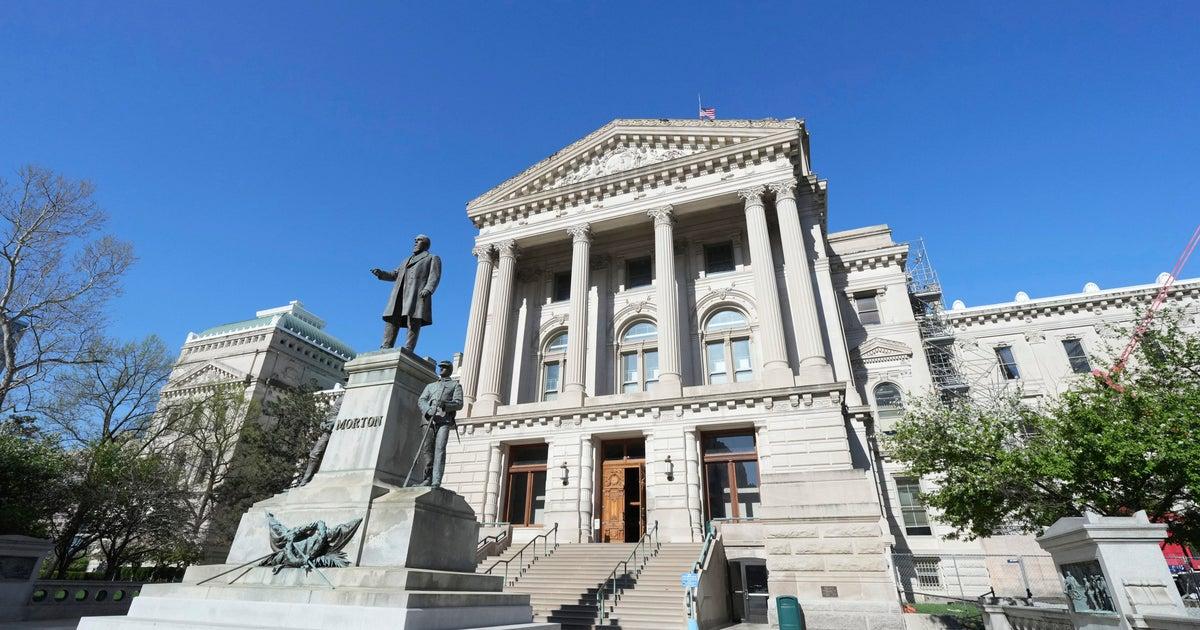
Coverage varies in emphasis: some outlets highlight partisan stakes, others focus on Braun’s stated rationale, and some note the unusual timing.
ABC News reports that Braun said the session aims to protect Indiana residents’ representation and will also address tax issues.
The report notes that the White House has encouraged the effort in a state where Republicans currently hold seven of nine U.S. House seats.
NBC News emphasizes the partisan implications, stating Braun’s effort is meant to strengthen Republican control ahead of the 2026 midterms.
This effort aligns with a national push encouraged by former President Donald Trump.
The Associated Press points out that redistricting typically happens after the decennial census, making this a midcycle move that faces resistance within the Republican Party.
Local outlet WTHR highlights the session’s dual purpose—redistricting and aligning Indiana’s tax code with federal changes.
WBAA connects the call for the session directly to Trump’s pressure on states to seek Republican advantages outside the normal cycle.
Indiana GOP Senate Vote Split
Republican divisions in Indiana’s supermajority complicate passage. Multiple outlets report that Senate President Rod Bray previously lacked the votes. While some lawmakers have since warmed to the idea, support remains uncertain.
Southernillinoisnow cites Bray’s spokesperson saying there isn’t enough support. WTHR reports Bray said he lacked sufficient votes but that some senators have since expressed support. The Associated Press quantifies internal opposition at at least a dozen GOP senators.

NBC News echoes that Republicans are divided and the votes are not secured. Several outlets note concerns within the GOP that a midcycle redraw could be costly and politically risky. These concerns contribute to hesitation among lawmakers.
Indiana Redistricting Efforts
Indiana’s battle is tied to a national campaign.
“So far, three states—Texas, Missouri, and North Carolina—have completed redrawing their congressional maps, potentially giving Republicans up to seven additional seats... Vice President JD Vance has recently visited Indiana twice to discuss redistricting with state lawmakers.”
Several states—Texas, Missouri, and North Carolina—have already redrawn maps, with southernillinoisnow estimating as many as seven additional GOP seats from such changes.
Multiple outlets report direct lobbying from former President Trump and Vice President J.D. Vance.
Southernillinoisnow notes Vance visited Indiana twice.
Scripps says both have actively lobbied lawmakers.
WNEP describes multiple meetings with Indiana leaders.
ABC News adds that the White House has encouraged Indiana to proceed.
Democracy Docket characterizes the push as part of a broader wave of partisan gerrymandering.
It reports threats of primary challenges from figures like Charlie Kirk and an explicit goal of winning all nine Indiana seats.
Democratic Opposition to Redistricting
Democrats and voting-rights advocates are preparing for court battles and condemning the move as undemocratic and a mid-decade redistricting effort. The Associated Press reports that Senate Democratic Leader Shelli Yoder threatened legal challenges and described the session as undemocratic. Southernillinoisnow notes that the National Democratic Redistricting Committee accused Braun of following Washington directives for a mid-decade redistricting that would weaken voters’ rights.
Local station WBAA quotes the Indiana Democratic Party calling the session a partisan power grab and potentially unconstitutional. Scripps and Sudbury News add that opponents warn of financial costs, political risks, and probable lawsuits.

Potential Congressional Map Changes
Analysts identify the Democratic-held 1st District, represented by Frank Mrvan, and areas near Indianapolis as likely targets for changes. Some Republican leaders openly discuss the possibility of a map that awards all nine seats to their party. WBAA reports that the most significant changes could affect the 1st District with additional impact near Indianapolis.
“Political analysts suggest the most significant changes could affect the 1st Congressional District, currently held by Democrat Frank Mrvan, with possible impacts on adjacent districts near Indianapolis.”
NBC News and seMissourian note that some Republicans desire maps that secure all nine seats. Southernillinoisnow highlights that the lieutenant governor has explicitly called for a map favoring a 9–0 outcome. WTHR explains the process constraints: the legislature is responsible for drawing congressional maps, which do not have to be contiguous according to their report.

The legislature cannot redraw state legislative districts between censuses and must complete the process within strict session limits. Several outlets remind readers that the current maps were praised by Republican leaders four years ago, emphasizing a significant political shift.