Technology and Science16 November, 20252 min read
Indigenous People, Climate Activists March on COP30 Gates in Belém, Demand End to Fossil Fuels
More than 50,000 marched to COP30 gates in Belém, demanding a fossil fuel phase-out. Protesters reached COP30 gates, confronted security, and disrupted access to the summit venue.
11 outlets told this the same way.
COP30 protest in Belém
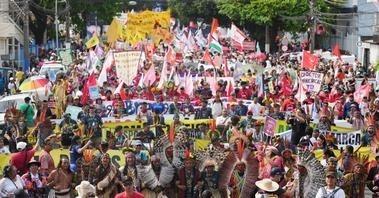
Tens of thousands of people converged in Belém, Brazil, on Nov. 15 for what organisers called the 'Great People’s March,' a mass demonstration outside COP30 demanding an end to fossil fuels, protection of the Amazon and stronger recognition of Indigenous rights.
“Over 50,000 people marched through the streets of Belém, Brazil, on Nov. 15 in what organisers called the ‘Great People’s March,’ the largest protest at a UN climate summit since 2021.”
Reports describe large crowds led by Indigenous groups and youth movements carrying symbolic coffins labeled 'Coal,' 'Oil' and 'Gas,' rolling a giant Earth beach ball and staging a mock funeral as they marched toward the gates of the summit.

Authorities maintained a heavy security presence around the COP30 venue after earlier incidents in which protesters pushed past barriers and slightly injured two security staff.
Indigenous climate protest demands
Marchers combined immediate calls to end fossil fuel expansion with longstanding Indigenous priorities such as land demarcation, protection of rivers and forests, and legal recognition of territories. Demonstrators urged stronger climate action, reparations, and prioritising Indigenous voices in the talks. Organisers and participants specifically called attention to local issues such as protecting the Tapajós River and access to babaçu palms.
Protesters and Indigenous leaders criticised perceived greenwashing by governments, including direct critiques of Brazilian energy decisions. Anti-capitalist groups at the rally explicitly rejected the idea that capitalism can solve the environmental crisis.
Security and protest coverage
Coverage highlighted tensions around security and civil disobedience. Several outlets reported protesters had broken through barriers earlier, injuring security personnel.
“Security forces in riot gear guarded the summit venue; earlier in the week two UN security staff were injured when Indigenous protesters pushed past barriers.”
Authorities responded by tightening security and deploying soldiers around the venue. Organisers and participants praised the chance to protest publicly, noting it was the first COP since 2021 to allow outside demonstrations, and some activists explicitly endorsed civil disobedience to pressure delegates.
COP30 protests context
The protests unfolded against a fraught negotiation backdrop: delegates reported slow progress midway through COP30, negotiators discussed implementation of pledged climate finance (including a noted $300 billion a year figure), and public concern was amplified by reports of a record number of fossil-fuel lobbyists attending the talks. UN and scientific warnings about the likelihood of exceeding 1.5°C within a decade underscored activists' demands for urgent emissions cuts. Critics also pointed to Brazil's recent approval for oil exploration near the Amazon mouth, which opponents called hypocritical ahead of the summit.
Amazon march culture and protest
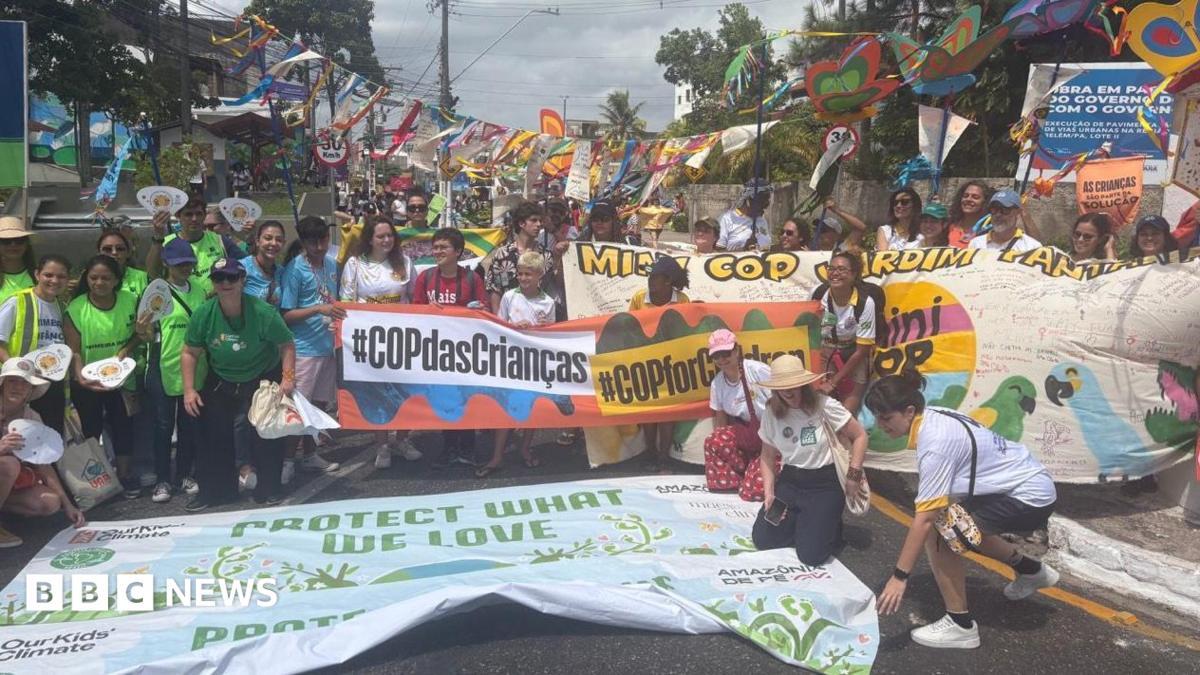
The march mixed cultural celebration and political protest. Participants wore traditional attire, danced and sang samba, and used theatrical symbolism—from grim-reaper costumes to giant inflatable animals and a black-smeared giant globe—to dramatise the stakes for the Amazon and frontline communities. Several outlets noted visible solidarity actions and cross-cause displays, including banners and chants that connected climate demands to social justice questions beyond Brazil's borders.
“Protesters carried symbolic coffins labeled ‘Coal,’ ‘Oil’ and ‘Gas,’ wore black as a ‘funeral’ for fossil fuels and red to honour murdered environmental defenders, while a giant inflatable globe daubed in black moved through chanting, singing and samba.”