Crime26 February, 20263 min read
Inmate at HMP Frankland Attacks Ian Huntley, Leaves Soham Murderer Critically Injured
This article is an automated aggregation of coverage from news outlets. Our editorials offer in-depth analysis curated by the NewsCord team.
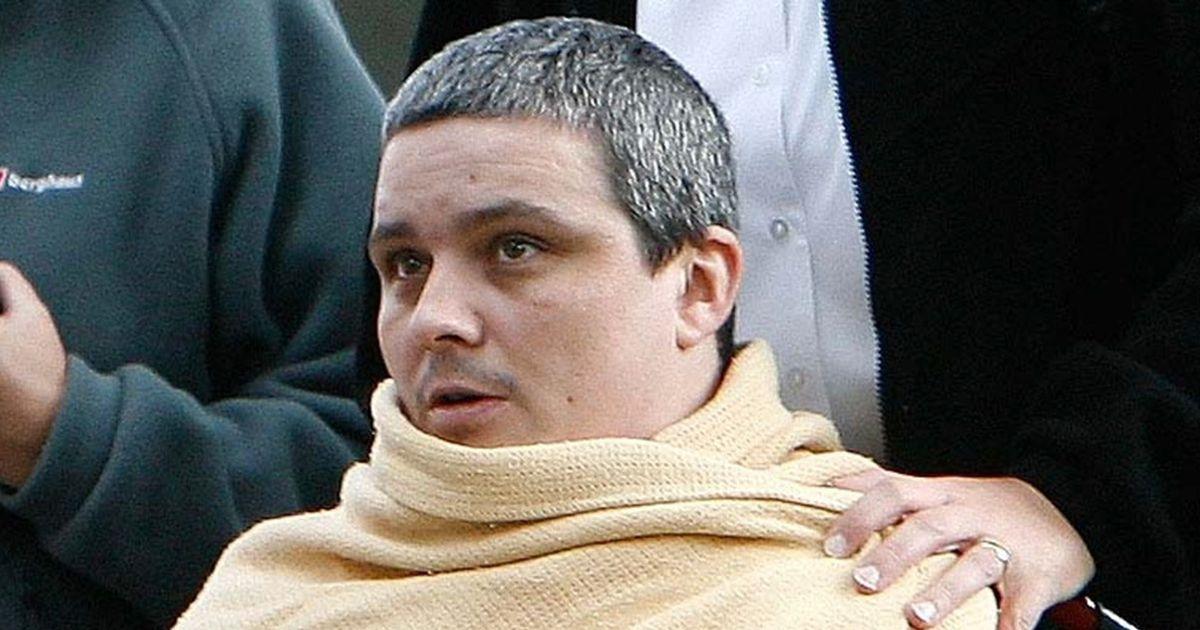
Ian Huntley was assaulted at HMP Frankland and found lying in a pool of blood He was taken to hospital; sources describe his condition as either serious or critical
16 outlets told this the same way.
Assault on Ian Huntley
On 26 February 2026, BBC reported that an assault at HMP Frankland in County Durham left a male prisoner seriously injured and taken to hospital. Sky News said a prisoner suffered serious injuries in an incident at HMP Frankland on Thursday 26 February 2026 and was taken to hospital by road.
“A prisoner suffered serious injuries in an incident at HMP Frankland on Thursday 26 February 2026 and was taken to hospital by road.”
The Guardian reported that Ian Huntley was seriously injured in an assault at HMP Frankland in County Durham on the morning of 26 February 2026 and was taken to hospital. The Journal stated that Ian Huntley, the 52-year-old double murderer serving life at HMP Frankland in County Durham, was seriously injured in an assault at the prison and taken to hospital.
Conflicting media accounts
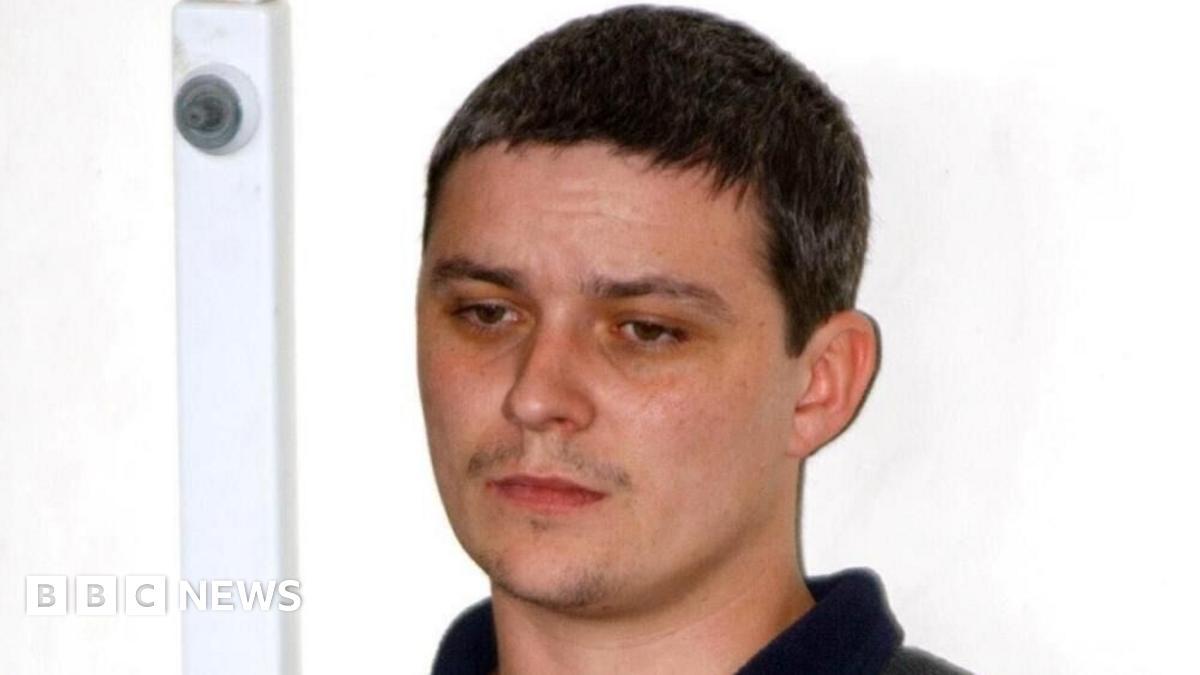
Reports differ sharply over how the assault was carried out and the weapon allegedly used. Tabloid and regional outlets published graphic accounts; the Daily Mail said Huntley was 'bludgeoned in the head with a spiked metal pole in a prison workshop at about 9:30am, left bleeding and rushed to hospital where he is "fighting for his life",'.
Some outlets citing The Sun reported he was 'found unconscious in a pool of blood, allegedly struck with a metal pole'. By contrast, mainstream outlets such as The Guardian and The Journal relay those media claims but explicitly note the weapon and unconsciousness detail 'has not been confirmed by police', signalling editorial caution about unverified specifics.
Emergency response reports
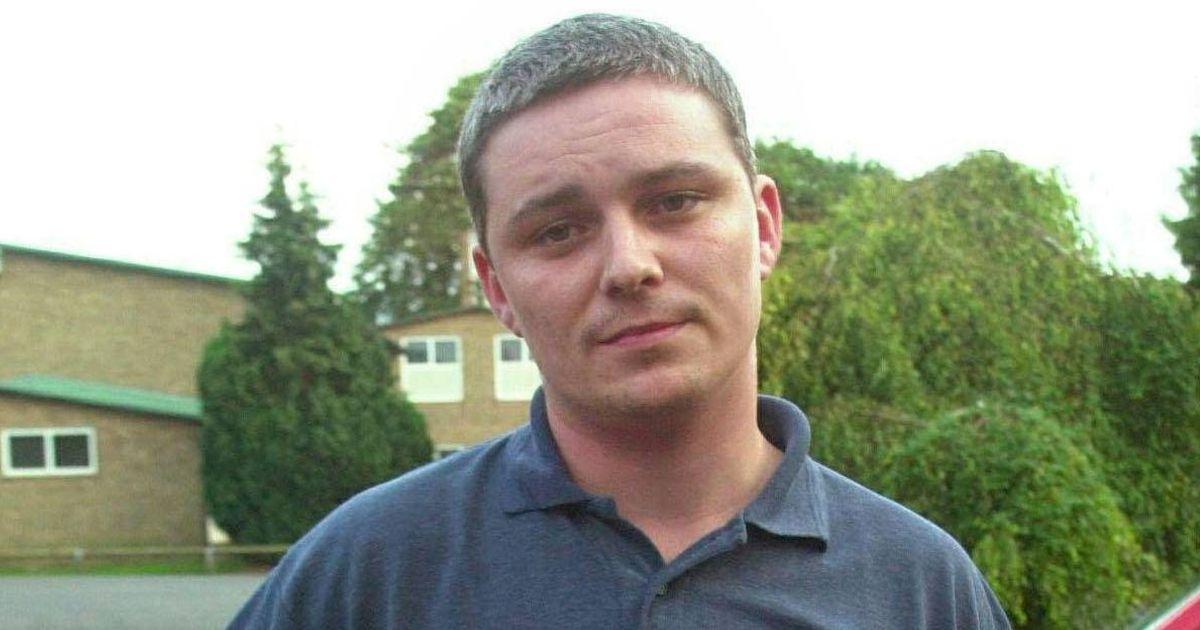
Accounts of the emergency response differ across outlets. Sky News reported that North East Ambulance Service sent two crews and requested support from the Great North Air Ambulance Service. The Journal said crews were sent and an air ambulance was requested, but that one patient was transported to hospital by road.
“North East Ambulance Service sent two crews and requested support from the Great North Air Ambulance Service; police are investigating and are liaising with prison staff.”
Some tabloid and Irish outlets reported Huntley was airlifted or taken after being 'found in a pool of blood,' with Extra.ie saying he 'was reportedly airlifted to hospital'. Regional reporting described chaotic scenes in the jail. These differences reflect conflicting early information about whether air assets were used versus only requested and whether the patient was ultimately road-transported.
Convictions and prison attacks
Reporting places the attack in the context of Huntley’s convictions and previous assaults in custody. Sources differ on the timing: some describe the murders as in 2002, while BBC noted he 'was convicted in 2003 of murdering 10‑year‑olds Jessica Chapman and Holly Wells in Soham'. BBC also noted that 'He has been attacked in prison before — scalded with boiling water in 2005 at HMP Wakefield and slashed across the throat at HMP Frankland in 2010.'
Sky News and Daily Mail also reference earlier attacks, with Sky News saying Huntley 'has been attacked in prison before — in 2011 an inmate, Damien Fowkes, slashed Huntley’s throat.' Evrim Ağacı describes him as 'serving a whole-life order' and recalls that 'in 2010 he sustained a seven-inch neck wound from a homemade weapon.'
Diverging media coverage
Police and prison authorities have opened an investigation and declined to give further detail while detectives probe the incident, but coverage diverges sharply in tone and emphasis. Sky News reported the Prison Service said the inmate is receiving treatment but would not comment further while police probe the incident. The Guardian said a Prison Service spokesperson said it 'would be inappropriate to comment while police probe the incident.'
“The Prison Service said the inmate is receiving treatment but would not comment further while police probe the incident.”
Local reporting and tabloids stress alleged security failures and chaotic scenes. Daily Mail wrote the attacker 'gained access to Huntley despite him normally being under close guard.'
Peterborough Matters noted recent disciplinary actions and removed privileges that add context to his custody conditions. That split shows mainstream outlets sticking closely to official lines and police caution, while tabloids and regional sites amplify graphic details and institutional criticism.