Full Analysis Summary
Nottingham Inquiry testimony
The Nottingham Inquiry heard testimony from a woman who said she broke her spine while fleeing a May 2020 break‑in by Valdo Calocane.
She said she was angry after being told by a police officer at the time that Calocane could not be prosecuted because of his mental health.
She told the inquiry the same officer warned her Calocane "could have killed" her if she had not escaped.
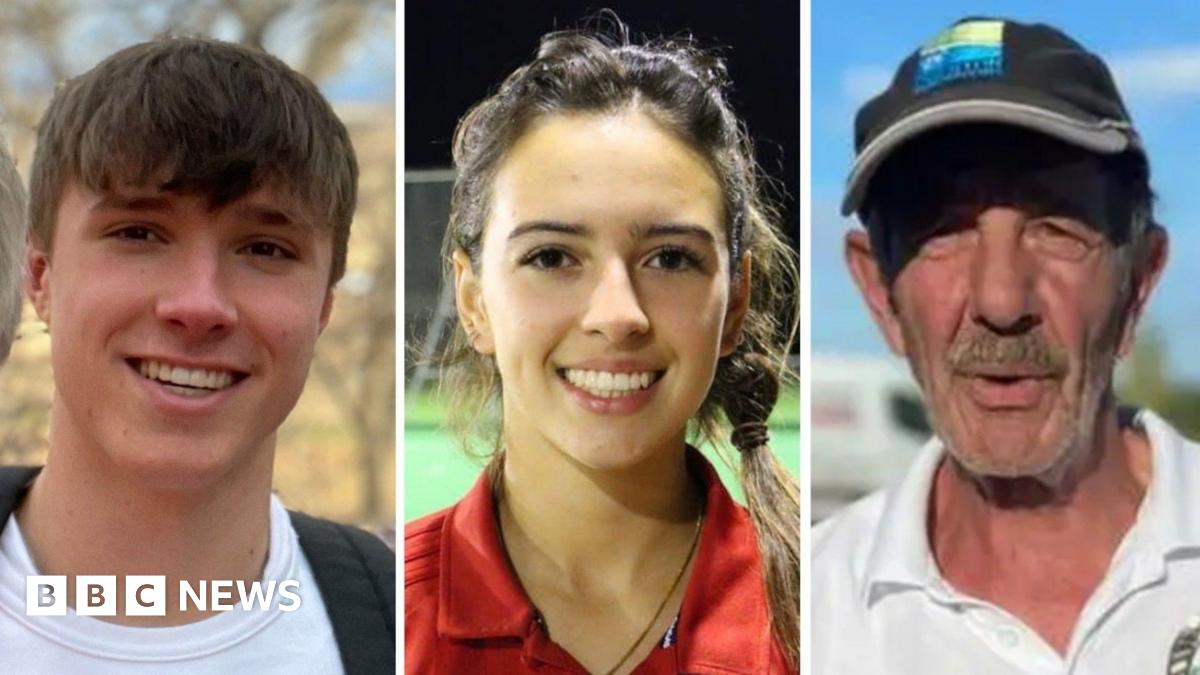
Calocane later carried out fatal attacks on 13 June 2023 that killed Barnaby Webber, Grace O'Malley‑Kumar and Ian Coates and injured three others.
He has pleaded guilty to three counts of manslaughter on the grounds of diminished responsibility and three counts of attempted murder and is serving a hospital order.
Coverage Differences
Missing Perspectives
Only the BBC article is provided for this assignment. Because no other sources were supplied, I cannot compare how different outlets (by source_type) frame the woman's testimony, policing decisions, or Calocane's background. Where the BBC reports the woman's anger and the officer's warning, no alternative accounts, quotations, or disputes from other outlets are available to confirm, contradict, or add context.
Inquiry into missed opportunities
The woman's injuries were severe: she fell from a window during the break-in and required spinal surgery.
She described anger at the decision not to prosecute the suspect in 2020 because of his mental health.
The inquiry is examining whether opportunities were missed between that break-in — Calocane's first recorded psychotic episode — and the later deadly attacks in 2023.
Coverage Differences
Missing Perspectives
With only BBC coverage available, there is no material from other news types (for example, Western Alternative or West Asian outlets) to show differing emphases — such as focus on policing failings, mental-health services, or victims' perspectives. The BBC frames the matter around the woman's testimony and the inquiry; alternative sources might emphasise systemic failures or mental-health care shortcomings, but those perspectives cannot be confirmed here.
Calocane timeline inquiry
According to the BBC account, Valdo Calocane was a University of Nottingham student who experienced his first psychotic episode in May 2020, the same month as the break-in.
The inquiry is scrutinising the sequence of events, decisions and thresholds, including mental-health assessments and police charging choices, that followed that episode and preceded the 2023 attacks.
Coverage Differences
Missing Perspectives
The BBC reports Calocane's student status and the timing of his first psychotic episode. Because no other sources are provided, I cannot assess whether other outlets emphasise different background details (e.g., family history, medical care received, or university responses) or adopt different tones about culpability and systemic responsibility.
Inquiry and reporting summary
The inquiry is being led by retired judge Deborah Taylor and is hearing evidence from more than 100 witnesses over nine weeks, aiming to establish the sequence of contact, decisions and possible missed opportunities in the years and months before the June 2023 attacks.
The BBC's reporting focuses on witness testimony and the inquiry's procedural details but, without other sources, cannot be weighed against alternative narratives or emphasis.
Coverage Differences
Tone
From the single available source (BBC), the coverage is procedural and focused on witness testimony and the inquiry's timeline. Because no other source types are provided, I cannot show contrasting tones (for example, more critical or more sympathetic coverage) that other outlets might adopt; that absence is itself a limitation of the available material.
Limits of BBC reporting
Because this response is based solely on the single BBC article provided, significant uncertainties remain.
I cannot quantify how widely the officer's decision not to prosecute was challenged by authorities.
I cannot quantify whether other witnesses or documents contradict the woman's account.
I cannot quantify how mental-health assessments were documented.
These are open questions the inquiry seeks to answer.
Additional sources would be needed to map differing narratives or emphasise systemic issues beyond the BBC's reporting.
Coverage Differences
Unclear/Conflicting
The BBC reports the woman's statement and the officer's alleged comments, but without other sources I cannot determine if there are conflicting accounts, internal police records, or medical documentation that corroborate or dispute what the BBC reports. This ambiguity should be noted rather than resolved without evidence.