South America31 January, 20262 min read
Interim President Delcy Rodríguez Declares Closure of El Helicoide, Venezuela's Notorious Chavista Torture Center
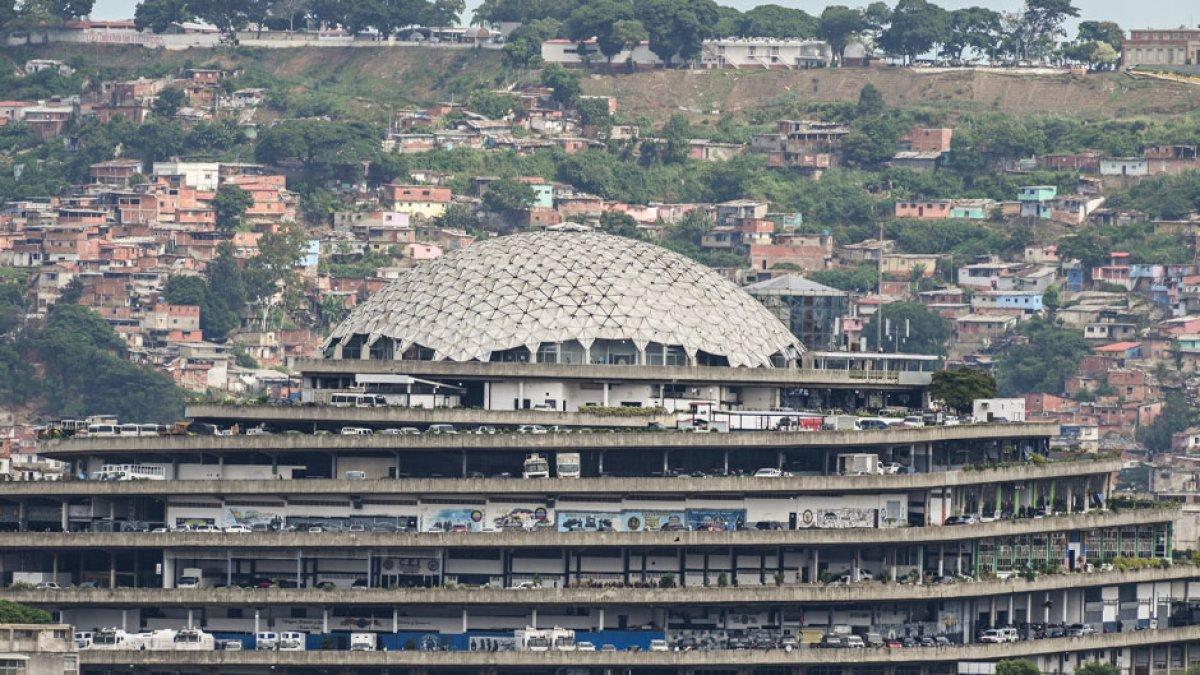
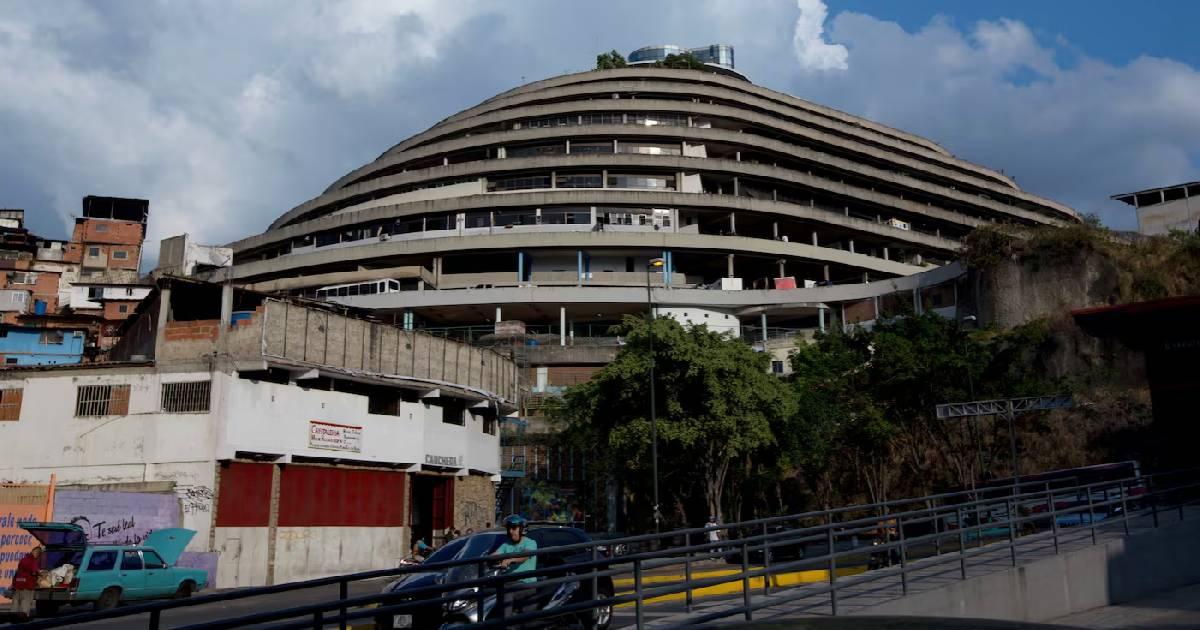
Delcy Rodríguez announced a general amnesty potentially freeing hundreds of political prisoners from 1999 onward Government announced closure of El Helicoide, a Caracas detention center used for torture
15 outlets told this the same way.
Outlets did split on Alexandre de Moraes Orders Eduardo Bolsonaro Arrest, Cancels Passport, Enforces Four-Year Sentence →
Venezuela amnesty and prison closure
On Jan. 30–31, 2026, Interim President Delcy Rodríguez announced a proposed general amnesty covering “the whole period of political violence from 1999 to the present.”
“Delcy Rodríguez announced a general amnesty for political violence dating from 1999 to the present and the closure of the notorious El Helicoide detention center, which she said will be converted into a social, cultural and sports center.”
She also ordered the closure of El Helicoide, the notorious Caracas detention center, saying it will be converted into a social, sports, and cultural complex.

Multiple outlets reported Rodríguez made the announcement before the Supreme Court or at a high‑level judicial ceremony.
They also reported that the bill will be sent urgently to the regime-controlled National Assembly for consideration.
Authorities presented the move as a measure to “heal the wounds” of political confrontation, and it could free hundreds of detainees if approved.
Prisoner release discrepancies
Government statements about who has been freed and how many differ sharply from counts by rights groups. Venezuelan authorities and ministers have touted releases ranging from more than 600 to 808 people freed.
NGOs and monitors such as Foro Penal report far lower numbers of full releases and warn many beneficiaries remain subject to travel bans, gag orders, surveillance or continued prosecutions. Independent tallies vary, with Foro Penal cited as tracking roughly 302-383 releases and, in some reports, estimating about 711 remain in custody, leaving the true scale of effective freedom unclear.

Amnesty coverage and exclusions
Many outlets report the amnesty’s broad temporal scope. Several outlets stress important legal exclusions and uncertainty because the amnesty text has not been published.
“The amnesty would cover cases from 1999 to the present but would exclude those prosecuted for homicide, drug trafficking, corruption or human rights violations.”
Coverage repeatedly notes the planned law would exclude people convicted of homicide, drug trafficking, corruption, or human‑rights abuses. Some reporters emphasize that exact eligibility rules, timelines, and safeguards are currently unclear because the bill has yet to be made public.
El Helicoide closure concerns
The announcement to close and repurpose El Helicoide drew cautious welcome from families and sharp warnings from rights groups. Reports note plans to convert the intelligence-run facility into a community social and sports center.
Several outlets emphasize that El Helicoide has long been accused of torture and abuses by intelligence services. They add that the declaration was made before officials whom former prisoners and rights organizations accuse of overseeing those abuses, prompting calls that any amnesty must not create impunity.
U.S.-Venezuela geopolitical context
Reports place the move in a wider geopolitical context of a thaw with the United States and recent high-level interactions. Outlets link the announcements to U.S.-Venezuela negotiations, a reported U.S. operation that led to Maduro's capture in some accounts, and conversations involving U.S. figures.
“On Jan. 30, 2026 the U.S. Embassy in Venezuela confirmed that all known U.S. citizens detained in Venezuela have been released and asked to be notified if any other Americans remain detained.”
Some sources (CiberCuba, El Mundo, Balkanweb) explicitly tie the measures to external pressure or direct discussions between Rodríguez and U.S. actors. Other outlets (Al Jazeera, France 24) focus on domestic legal steps and human-rights implications without assigning sole credit to U.S. influence.
