Iran Accuses United States Of Bombing Qeshm Island Desalination Plant, Exacerbating Iran's Water Crisis
Key Takeaways
- Iran accuses United States of bombing a desalination plant on Qeshm Island
- Iran faced a severe water shortage driven by climate change, agriculture, and mismanagement
- Desalination plant attack worsened Iran's water crisis and intensified humanitarian and environmental risks
Accusation and denial
Iranian officials accused the United States of bombing a desalination plant on Qeshm Island, saying the strike disrupted the water supply for roughly 30 villages.
“Skip to main content”
The U.S. government denied responsibility as Tehran publicly assigned blame, with Iranian Foreign Minister Abbas Araghchi making the allegation amid an escalating regional confrontation.
Preexisting water crisis
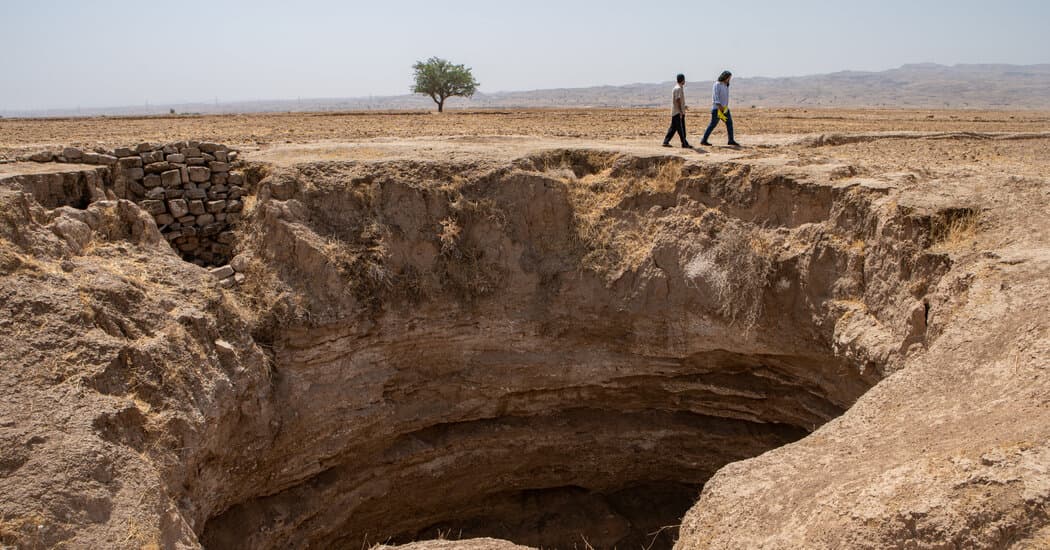
The alleged strike came against a deeply entrenched water crisis in Iran: reporting describes the country’s water woes as driven by climate change, excessive agricultural use and decades of mismanagement.
Tehran has suffered years of drought and average rainfall falling to roughly 45 percent below normal, a context that magnifies the humanitarian impact of any damage to desalination infrastructure.
Regional escalation risks
Iran’s claim and the Qeshm incident have sharpened regional tensions: Iran subsequently attacked a desalination plant in Bahrain.
“Skip to main content”
Analysts and journalists warned the fighting between Iran and U.S.-Israeli partners risks broader assaults on critical Gulf water infrastructure, potentially jeopardising supplies for millions of people across the region.
Humanitarian consequences
Observers emphasised that the damage to desalination and water systems will have compounded humanitarian and environmental consequences in Iran and neighbouring states.
They noted the political dimensions inside Iran where officials could link worsening services to the conflict, and analysts said communities already in crisis could face intensified shortages and outages if infrastructure is targeted or disabled.
More on Iran
US obliterates military targets on Iran’s Kharg Island, Trump warns
13 sources compared

US Deploys About 2,500 Marines to Middle East After Iran Attacks Gulf Shipping
33 sources compared
FBI Warns of Iranian Drone Plot Based on Unverified Tip; California Says No Credible Threat
10 sources compared

White House Demands ABC Retract Report Claiming Iran Sought To Launch Drone Attacks On California
11 sources compared