
Iran after 48 hours: Tactical success, strategic uncertainty
Assessment of Iran crisis
Moscow and Beijing have offered little beyond verbal condemnation, the article says, leaving Iran largely on its own.
“Brett McGurk is a CNN global affairs analyst who served in senior national security positions under Presidents George W”
Iran’s asymmetric tools — cyber operations, proxy militias, maritime disruption — have so far been dormant, though militias in Iraq have fired drones at Erbil and Iran’s proxy Hezbollah is described as already battered.
The article records an immediate energy shock: OPEC agreed to increase production by more than 200 thousand barrels per day but oil prices still rose 10% as markets opened on Sunday evening.
Militarily, the United States retains overwhelming conventional superiority, yet the piece stresses that military advantage cannot by itself deliver political outcomes and there is no natural endpoint to the campaign.
The main concern from Washington’s vantage, the author concludes, is that strategic and tactical success coexist with profound uncertainty about where this leads, including whether remnants of the regime will suppress protests with lethal force and whether the U.S. would use air power to deter another crackdown.
That, the article says, is likely the net assessment Trump is receiving.
Key Takeaways
- Brett McGurk is a CNN global affairs analyst and served under Bush, Obama, Trump, Biden
- During Middle East crises, a president receives a net assessment from intelligence and military sources
- Net assessments evaluate balance of forces, leadership dynamics, and strategic calculations
More on War on Gaza
Wealthy Flee Gulf as Private Jet Charters Surge to $350,000, Riyadh Becomes Evacuation Hub
26 sources compared
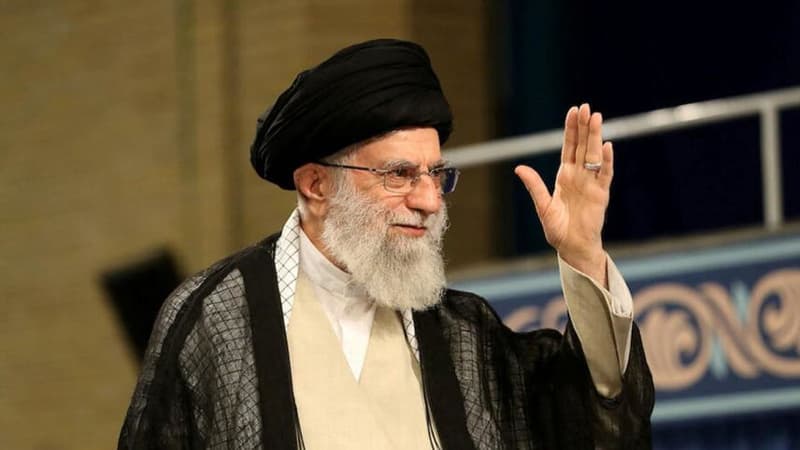
U.S. and Israel Assassinate Iranian Supreme Leader Ayatollah Ali Khamenei, President Donald Trump Says
137 sources compared
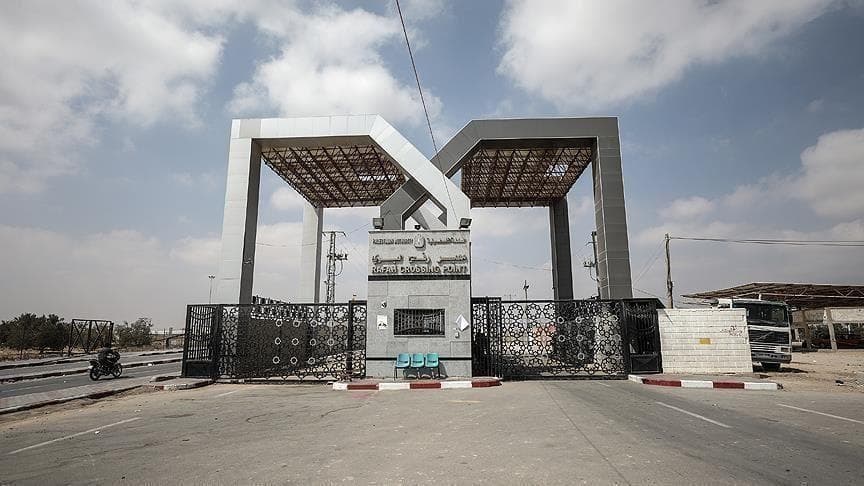
Israel Closes All Gaza Crossings, Halts Aid and Medical Evacuations
14 sources compared

US Opens Passport Services Inside Illegal West Bank Settlements, Aiding Israel's Annexation
11 sources compared